A vacant rental after an eviction rarely comes with a clean handoff. There may be abandoned furniture, bags of trash, spoiled food, damaged fixtures, and personal property that cannot simply be thrown away. A disciplined post eviction cleanup process helps landlords and property managers regain control of the unit, document its condition, and move toward a rent-ready turnover without creating avoidable legal or disposal problems.
The goal is not just to make the space look empty. It is to protect the property, preserve evidence of damage, handle belongings appropriately, and clear the unit efficiently so repairs and showings can begin.
Start the Post Eviction Cleanup Process Only After Legal Possession
The cleanup clock can feel urgent, especially when a vacant unit is costing money every day. Still, do not enter, remove property, or change locks until you have legal possession under the applicable court order and North Carolina requirements. If there is any uncertainty about the status of an eviction, consult your attorney, property management company, or the proper local authority before moving forward.
Once possession is confirmed, secure the property right away. Change or rekey locks, check windows and exterior doors, and document who has access. If utilities remain active, confirm that the property is safe. Standing water, gas odors, exposed wiring, or a damaged HVAC system may require a licensed professional before anyone begins clearing items.
Abandoned belongings deserve extra care. Rules can vary depending on the eviction process, court instructions, lease terms, and local requirements. Personal documents, medications, family photos, financial records, and items that appear valuable should not be treated the same way as obvious trash. Follow the required holding, notice, and storage procedures before authorizing disposal.
Document the Unit Before Anything Moves
Before a cleanup crew loads a single item, create a thorough record of the condition of the rental. This step supports security deposit accounting, insurance claims, repair decisions, and any future dispute over what was left behind.
Take clear photos and video in every room, including closets, cabinets, appliances, the garage, attic, porch, and yard. Capture close-ups of holes in walls, stains, broken doors, missing fixtures, damaged flooring, pest activity, and any items left behind. It also helps to photograph serial numbers on appliances or equipment when relevant.
Write a room-by-room condition report while the details are fresh. Separate normal wear from tenant-caused damage as carefully as possible. A worn carpet after years of occupancy is different from carpet that is burned, heavily stained, or saturated with pet waste. Accurate notes make repair estimates more defensible and keep turnover decisions organized.
If the unit contains suspected illegal items, weapons, hazardous chemicals, or evidence of criminal activity, stop work and contact the appropriate authorities. Cleanup crews should not be asked to handle materials that require law enforcement, biohazard, or hazardous waste specialists.
Sort What Is Left Behind
A fast cleanup does not mean putting everything in one pile. Sorting makes the job safer, helps you meet property-handling obligations, and reduces unnecessary landfill waste.
Start by separating items that may need to be stored or returned from obvious disposal materials. Then divide the remaining contents into practical categories: furniture and household goods, bagged trash, appliances and electronics, construction debris, yard waste, and materials requiring special handling. Mattresses, televisions, refrigerators, paint, tires, batteries, and chemicals may have different disposal requirements than regular household junk.
Donation can be worthwhile when items are clean, usable, and accepted by a local organization. It is not always the right answer, though. Damaged upholstered furniture, broken particleboard pieces, moldy belongings, and heavily soiled mattresses typically cannot be donated. A responsible cleanup plan looks for recycling and donation opportunities without delaying the turnover or passing unusable items to someone else.
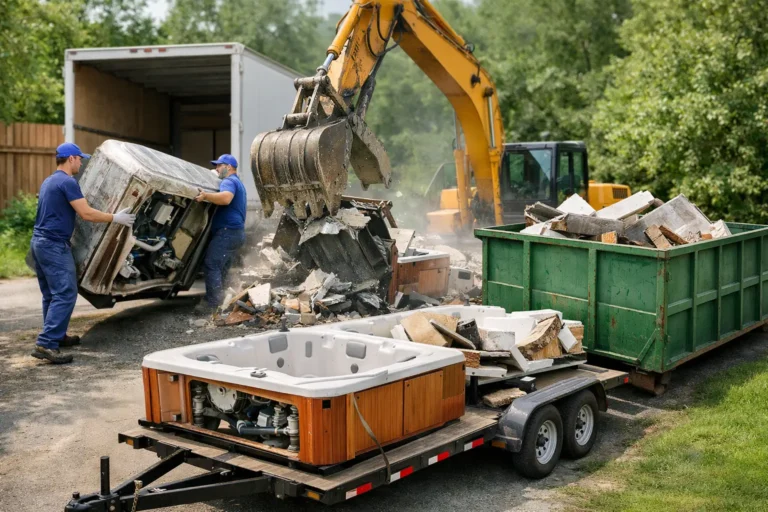
For large cleanouts, full-service hauling saves property teams from coordinating dumpsters, labor, truck rentals, and disposal runs. A professional crew can remove bulky furniture, bagged trash, appliances, old cabinets, carpet, and outdoor debris in one scheduled visit. Local Loop Junk Troop provides on-site quotes and labor-inclusive removal, which can be especially useful when a Charlotte-area unit needs to be cleared quickly for repairs or inspection.
Clear the Unit Safely and Methodically
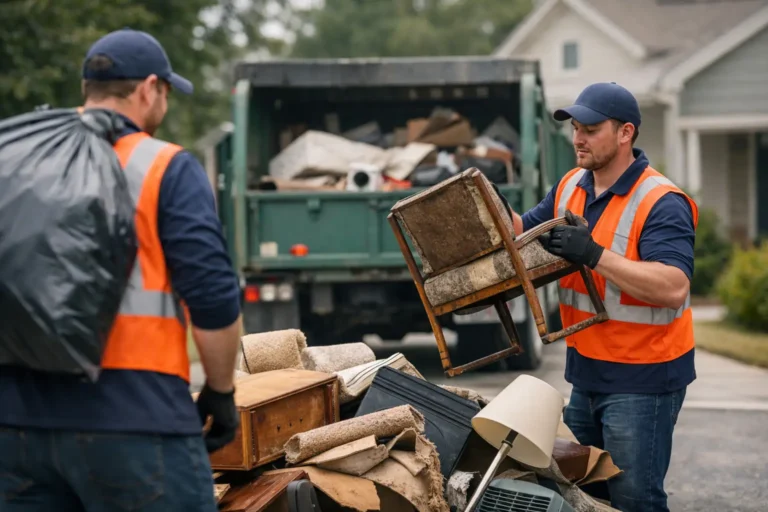
The best removal order depends on the condition of the property. In most cases, begin with large items that block access, then remove bagged trash and loose debris. Clearing pathways first reduces trip hazards and gives maintenance teams room to inspect walls, flooring, and fixtures.
Use proper lifting practices and adequate manpower for heavy items. Sofas, dressers, refrigerators, washers, dryers, and water-damaged furniture can cause injuries or property damage when rushed through narrow hallways. Protect door frames, stairwells, elevators, and common areas, particularly in apartments and condos where the turnover affects neighboring residents.
A standard junk removal crew can handle many common items, but some situations need a different level of response. Mold-contaminated contents, sewage backups, animal remains, bed bugs, feces, needles, and biohazards should be assessed before general cleanup begins. The right vendor depends on the risk. Regular hauling may be appropriate after professional remediation, while active contamination may require a specialized cleanup company.
Do not overlook exterior areas. Check sheds, crawlspace entrances, patios, balconies, parking spaces, and fenced yards for discarded furniture, tires, grills, broken play equipment, and bagged debris. These items can delay landscaping, create HOA concerns, and leave a poor first impression during a showing.
Clean, Repair, and Reset for the Next Tenant
Once the unit is empty, the true condition of the rental becomes visible. Perform a second walk-through with the maintenance team or trusted vendors. Look for damage that was hidden behind furniture, including wall anchors, pet stains, flooring damage, pests, missing smoke detectors, broken blinds, and appliance issues.
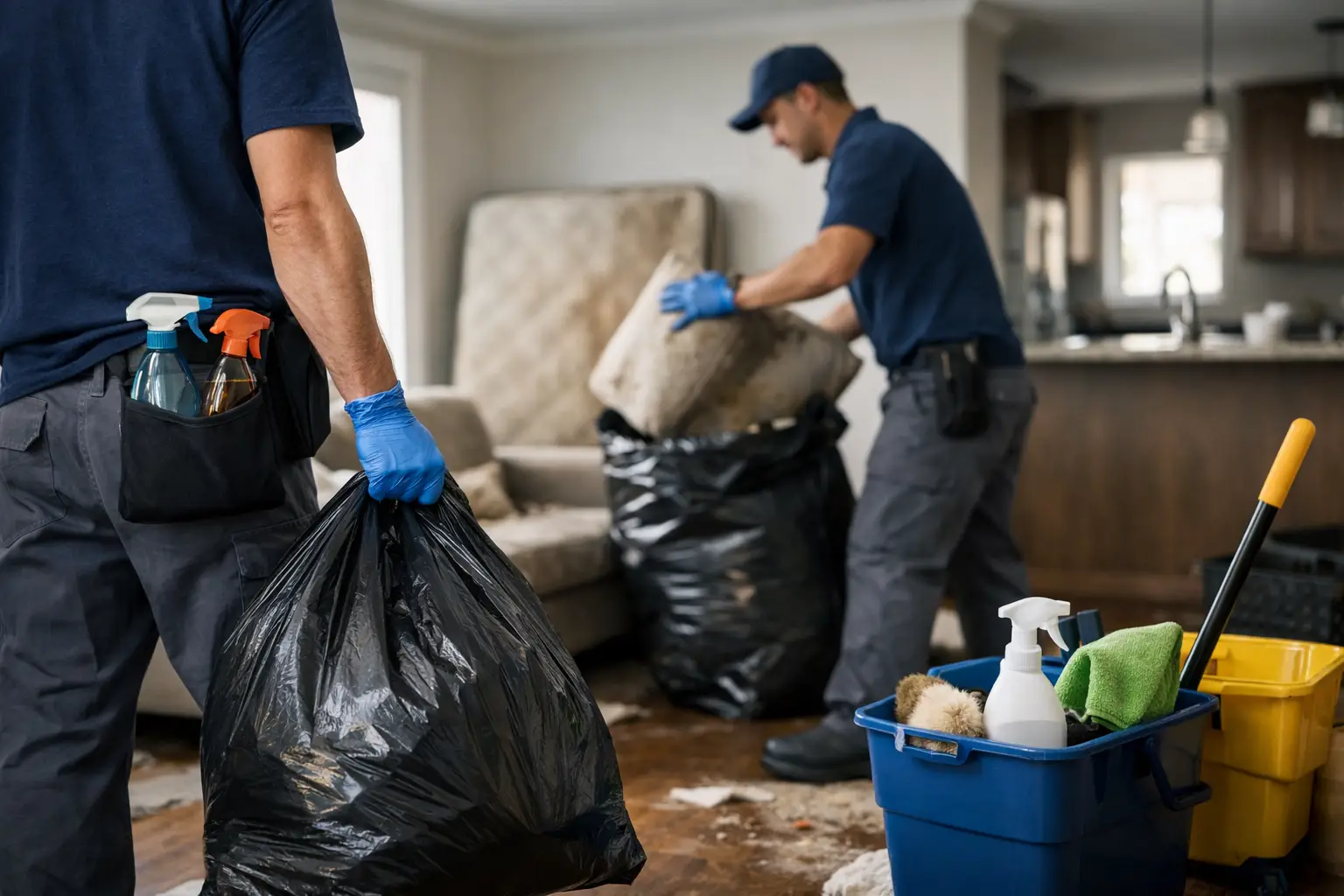
Cleaning should happen after debris removal, not before. A deep turnover clean generally includes kitchens, bathrooms, cabinets, appliances, baseboards, windows, floors, vents, and light fixtures. If odors remain after ordinary cleaning, identify the source rather than covering it with fragrance. Smoke, pets, spoiled food, mildew, and sewage odors may require different treatments.
Prioritize repairs that affect safety and habitability first. Address electrical problems, leaks, broken locks, damaged stairs, missing handrails, and nonworking smoke or carbon monoxide detectors before cosmetic upgrades. Then schedule paint touch-ups, patching, flooring work, appliance replacement, and landscaping as needed.
This is also a good time to make practical improvements that reduce future turnover headaches. Durable flooring, washable paint, upgraded door hardware, better exterior lighting, and clear trash collection procedures can reduce damage and simplify the next move-out. The right upgrades depend on the property class, budget, and expected rent. Not every vacancy calls for a full renovation, but every vacancy should leave the unit safer and easier to maintain.
Keep Costs Clear Without Cutting Corners
Post-eviction expenses can add up quickly, particularly when a unit needs hauling, cleaning, repairs, pest control, and re-renting at the same time. The least expensive option is not always the fastest or most cost-effective one. A low-cost labor crew that leaves appliances behind, damages common areas, or disposes of restricted materials improperly can create more work later.
Ask cleanup providers what is included before work starts. A clear quote should explain labor, hauling, disposal, heavy-item handling, and any extra charges that may apply for unusually dense materials or specialty items. On-site pricing is often more accurate than a guess based on a few photos, especially when closets, garages, or storage spaces are full.
Keep invoices, disposal records, photos, and repair estimates together in the unit file. Good records help with owner reporting, deposit itemization, insurance documentation, and future budgeting. They also make it easier to spot recurring issues across a portfolio, such as repeated carpet replacement, unauthorized pets, or abandoned furniture.
A clean turnover is not just a finished room. It is a property that has been secured, documented, cleared responsibly, repaired with purpose, and made ready for the next person to call home.