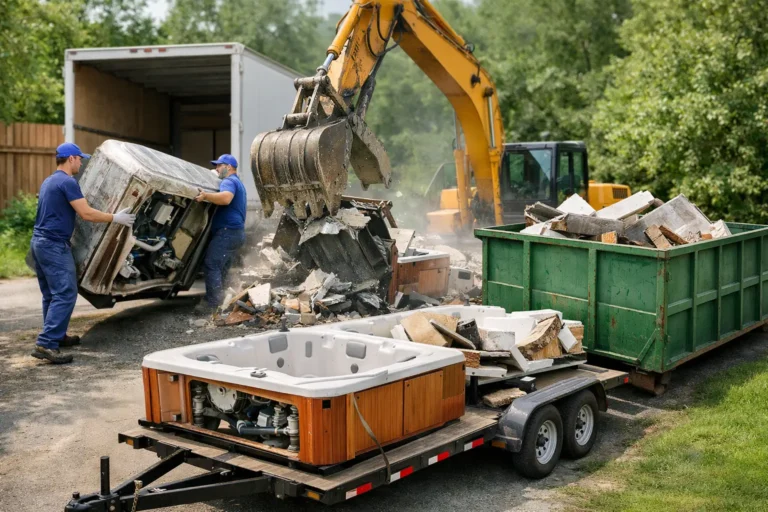

A tenant moves out on Friday, the showing is scheduled for Monday, and the unit is still packed with broken furniture, bagged trash, old mattresses, and a garage full of leftovers. That is exactly when landlord turnover junk removal matters. For landlords and property managers, every extra day a unit sits cluttered is another day of lost rent, delayed repairs, and added stress.
Turnovers move fast when the process is clear. The goal is not just getting junk out. It is getting the property ready for cleaning, maintenance, photos, and leasing with as little downtime as possible. That means hauling has to happen on time, pricing has to be straightforward, and the crew has to work without creating more mess or more damage.
Why landlord turnover junk removal affects your vacancy timeline
In a rental turnover, junk removal is often the first task that unlocks every other one. Painters cannot reach the walls if old couches and dressers are still inside. Flooring crews lose time working around piles of debris. Cleaners cannot do a proper reset if the kitchen is filled with trash bags, abandoned food, and broken appliances.
That delay adds up quickly. Even a small amount of leftover junk can stall a whole turnover schedule by a day or two. In a larger cleanout, especially after an eviction, foreclosure, or rough move-out, the junk itself becomes the project. Fast hauling helps landlords move straight into the repair and leasing phase instead of spending valuable time sorting, lifting, bagging, and making multiple dump runs.
There is also a cost angle. Vacancy is expensive, but so is assigning maintenance staff to haul trash instead of handling repairs. If your in-house team is spending half a day wrestling a sleeper sofa down stairs, they are not replacing blinds, patching drywall, or fixing the turnover punch list.
What gets removed during a rental turnover
Every turnover is different, and that is why flexibility matters. Some units just need a few bulky items hauled away. Others require a full cleanout from bedrooms to backyard.
Typical landlord turnover junk removal includes mattresses, box springs, couches, sectionals, dressers, broken tables, dining sets, bed frames, shelving, and bagged household trash. It can also include refrigerators, washers, dryers, microwaves, and other appliances left behind. In garages, storage rooms, patios, and sheds, crews often remove tires, paint cans, yard debris, scrap wood, old tools, and general clutter.
In tougher situations, there may be water-damaged furniture, pest-affected materials, construction debris from unauthorized tenant alterations, or partial demolition needs. A property may need carpet pulled out, cabinets removed, or a damaged shed taken down before the space is truly rent-ready. That is where working with a company that handles both hauling and light demolition can save time.
When a basic trash-out is not enough
Some turnovers are simple. Others need a more complete reset.
If the tenant left behind one loveseat and a few bags, a quick pickup may be all you need. But if the unit has built-in damage, abandoned contents in multiple rooms, or bulky items that require disassembly, the scope changes. The same is true for garages, crawl spaces, attics, and exterior areas that have become overflow storage.
This is also where landlords run into trade-offs. The cheapest option is not always the fastest, and the fastest option is not always the best if items are dragged through hallways or walls get scraped in the process. A professional full-service crew should be prepared to assess the volume on-site, remove items safely, and keep the property orderly as they work.
For multifamily properties, the difference matters even more. Hallways, elevators, breezeways, and shared parking areas need to stay clean and usable. A sloppy haul-out can create complaints from current residents and extra work for your staff.
What to look for in a landlord turnover junk removal company
Speed matters, but speed without communication creates its own problems. Landlords and property managers usually need a provider that can respond quickly, confirm arrival windows, and give clear pricing before work starts.
Look for a team that offers on-site quotes, labor-inclusive hauling, and a process that does not require your crew to drag items to the curb. Full-service removal is usually the better fit for turnovers because it reduces wear on your staff and shortens the cleanup window. The crew should be prepared to go room by room, remove bulky items, sweep up loose debris, and leave the area ready for the next vendor.
Professionalism also counts. Rental properties are business assets, and the work should be handled that way. That means showing up ready, respecting entry instructions, protecting walls and floors where possible, and documenting what was removed if needed.
Responsible disposal is another factor worth considering. Not everything from a turnover belongs in a landfill. Depending on condition, some furniture, appliances, and household goods may be eligible for donation or recycling. For owners who care about waste reduction, that approach is a meaningful difference.
How the process should work
The best turnover cleanouts are simple from the landlord’s side. You call or schedule, describe the property, and get a fast appointment. Once on-site, the crew confirms the scope and provides an upfront quote. If approved, they start loading right away.
That kind of process works especially well for time-sensitive turnovers because it removes the usual back-and-forth. There is no need to rent a truck, coordinate maintenance labor, or figure out disposal rules for multiple item types. A good crew handles the lifting, hauling, loading, and disposal logistics in one visit.
If the property needs more than junk hauling, that should be clear early. Light demolition, tear-outs, or shed removal may require a different labor plan than a standard apartment trash-out. It is better to identify that at the quote stage than midway through the job.
Landlord turnover junk removal for single-family and multifamily properties
Single-family homes often come with more volume because junk spreads beyond the interior. Backyard debris, garage clutter, fencing materials, old patio furniture, and storage shed contents can all slow a turnover. These jobs also tend to involve more oversized items and more loading distance.
Multifamily units usually bring access challenges instead. Third-floor walk-ups, loading restrictions, limited parking, and tight move-out windows can make a smaller job more complicated than it looks. Property managers need a crew that can work efficiently within those limits and avoid disrupting other residents.
That is one reason local experience helps. A company that regularly handles Charlotte-area rentals understands how fast these jobs need to move and how important it is to keep the process hassle-free for leasing teams, owners, and on-site staff.
How to keep future turnovers easier
Not every messy move-out is preventable, but a few habits can make landlord turnover junk removal less frequent and less expensive.
Clear lease language about abandoned items helps. So does documenting property condition before move-in and after notice is given. If a tenant appears likely to leave behind belongings, lining up removal in advance can shave days off the turnover timeline. For larger portfolios, having a go-to hauling partner can be even more valuable than shopping around on each job.
There is also value in bundling services where it makes sense. If the property needs junk removal now and a small demolition project next, coordinating both through one reliable provider can reduce scheduling gaps. The same goes for estate transitions, foreclosure cleanouts, and investor properties headed for rehab.
Local Loop Junk Troop works with the kind of turnaround schedule landlords know well – fast appointments, upfront pricing, full-service labor, and a clean, respectful process that helps move properties from move-out to market-ready without extra hassle.
A rental turnover does not have to become a week-long cleanup problem. When the junk is removed quickly and professionally, everything else gets easier – the repairs, the cleaning, the photos, and the next lease. If you are staring at a unit full of leftovers and a calendar that is already too tight, the right next step is simple: clear the space fast so the property can start earning again.