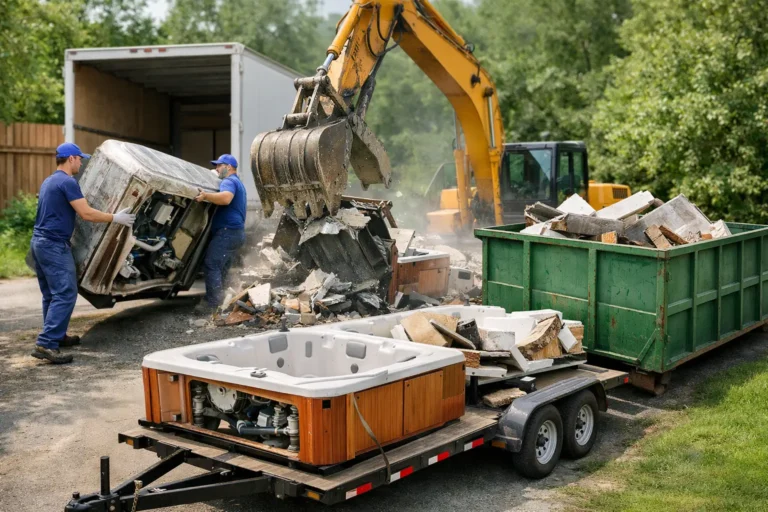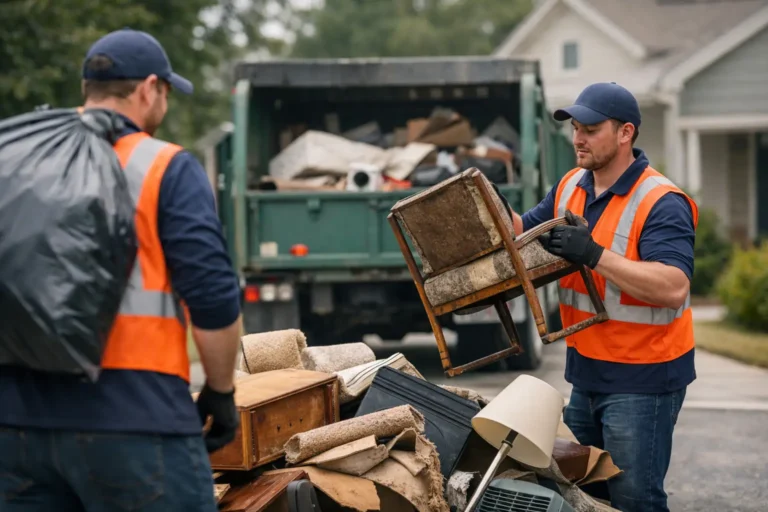
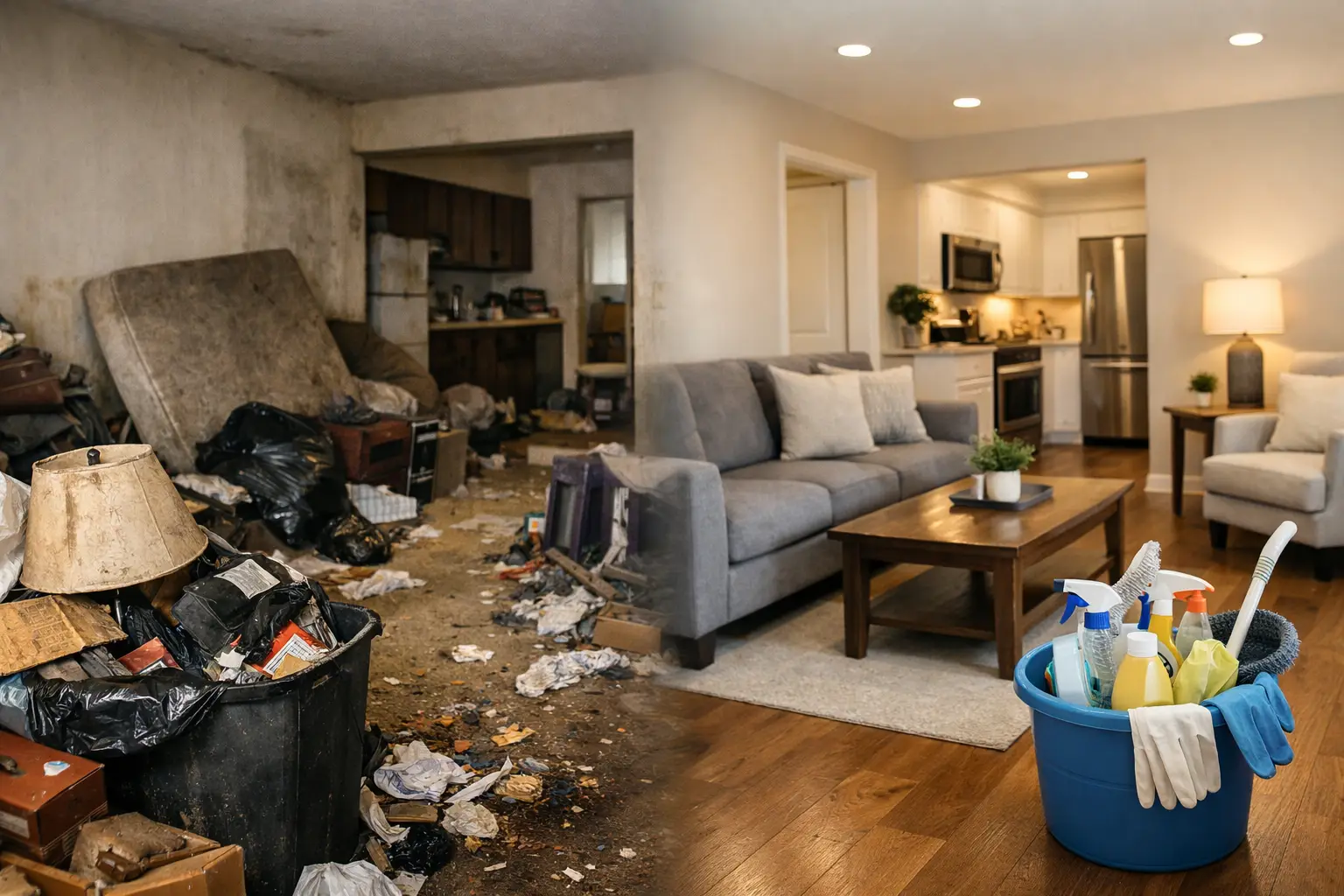
A foreclosure cleanout turnaround example is easiest to understand when the clock is real: a lender needs a vacant house cleared before listing photos, the property manager needs the lockbox installed, and the home is still packed with furniture, bags, appliances, and garage debris. This is not a situation for a few curbside bins. It calls for a full-service crew, a clear scope, and a plan that protects the property while moving fast.
For Charlotte-area real estate professionals, landlords, and asset managers, a cleanout is often the step between a stalled property and a home that can be evaluated, repaired, marketed, or sold. The goal is not simply to remove everything. The goal is to leave a safe, accessible, broom-clean space without creating more delays or disposal problems.
The situation: a home that could not move forward
Consider a typical three-bedroom foreclosure property. The previous occupants left behind living room furniture, mattresses, clothing, boxed household goods, a refrigerator, an old washer and dryer, and a garage full of shelving, paint cans, yard tools, and loose debris. There were also several bags in the attic and a small amount of construction material from an unfinished repair.
The listing agent needed the property cleared within two days so a contractor could walk through, identify repair needs, and schedule work. The home was vacant, but it was not ready for photos, showings, or even a reliable condition assessment. Every room had to be accessible first.
The biggest challenge was not the number of items. It was coordinating the right order of work. Appliances needed proper handling, usable items needed to be separated from obvious trash where practical, and the crew had to avoid scraping walls, damaging floors, or blocking access for the next vendor.
Foreclosure cleanout turnaround example: from packed to accessible
A successful turnaround starts with an on-site assessment. Before loading begins, the crew walks the home with the responsible contact and confirms what stays, what goes, and whether there are any items requiring special handling. In a foreclosure, this step matters because ownership, documentation, and access rules can be different from a standard homeowner cleanout.
For this property, the scope included all unwanted contents from the house, garage, attic, and backyard storage area. Built-in fixtures, window coverings, and a few labeled items for the agent were left in place. The crew provided an upfront quote based on the volume of material, labor required, and disposal needs. That gave the agent a firm approval point before work began.
Day one: clear the house in a logical order
The crew began with the largest rooms and the most obvious bulky items. Sofas, beds, dressers, tables, and bagged trash came out first, opening clear paths through the home. This reduces unnecessary carrying and helps the team work efficiently without dragging items through tight, cluttered routes.
Next came the kitchen and laundry area. The refrigerator, washer, dryer, and smaller appliances were removed with the appropriate equipment and labor. Appliance removal can affect timing because these items are heavy, awkward, and should not be treated like ordinary household trash. A professional hauling crew handles the lifting, loading, and proper routing for disposal or recycling.
Once the main living areas were open, the team worked through closets, bathrooms, and bedrooms. Loose items were gathered into manageable loads rather than handled one piece at a time. This keeps the process orderly and makes it easier to spot anything that may have been marked to remain.
By the end of the first day, the home was largely empty. The agent could walk each room, see the condition of the floors and walls, and identify repair priorities that had been hidden behind belongings.
Day two: finish the problem areas and prepare for vendors
The garage, attic, and outdoor storage area took more time than the interior rooms. That is common in foreclosures. These spaces tend to collect the heaviest, dirtiest, and least organized material, from broken shelving and old tires to boxes, yard waste, and leftover renovation debris.
The crew removed loose debris, dismantled non-structural items that were approved for removal, and loaded the remaining materials. Items with potential donation value were separated when their condition and local acceptance requirements made that practical. Recyclable materials were also routed appropriately whenever possible. Not every item can be donated or recycled, but responsible sorting can reduce unnecessary landfill disposal.
After the last load was removed, the crew completed a basic sweep-up of the cleared areas. A junk removal cleanout is not a replacement for deep cleaning, repairs, or remediation. It does, however, provide the clean, open starting point those next services need.
What the property manager gained from the turnaround
The visible result was an empty property. The more valuable result was momentum. Within the agreed turnaround window, the agent had a home that could be inspected, photographed, cleaned, repaired, and prepared for market without waiting for the former occupants’ belongings to be sorted out.
The clearout also reduced safety concerns. Piles of items can hide damaged flooring, leaks, pest activity, sharp objects, or tripping hazards. Removing them allows contractors and inspectors to do their jobs safely and gives decision-makers a more accurate view of the property’s condition.
There is also a practical cost benefit to moving quickly. A vacant foreclosure can continue generating carrying costs while it sits in limbo. Fast, organized removal helps prevent the cleanout from becoming the bottleneck that delays every other part of the listing or turnover process.
What can change the timeline or price
Every foreclosure cleanout is different, and an honest plan accounts for that. A standard occupied-home cleanout may be completed quickly, while a property with extensive contents, heavy debris, difficult access, or hazardous materials may require more time and a different disposal plan.
The following factors usually affect the scope:
- The amount and type of material left behind, especially heavy furniture, appliances, tires, electronics, or construction debris
- Access issues such as narrow staircases, long carrying distances, locked gates, steep driveways, or limited parking
- Whether items need to be identified, documented, or held aside before removal
- Conditions that require a specialized provider, including biohazards, chemicals, asbestos concerns, or major water damage
Paint, fuels, chemicals, and other potentially hazardous materials should always be disclosed during the estimate. The right response may be to arrange a separate disposal method rather than loading those materials with general junk. This is one reason an on-site quote is more useful than guessing from a few photos alone.
How to make a foreclosure cleanout go faster
The best time-saving work happens before the crew arrives. Make sure access has been approved, keys or lockbox instructions are confirmed, and someone can answer questions about items that may need to stay. If the lender, agent, or property manager has a disposal authorization process, complete it before the scheduled appointment.
It also helps to identify priorities. If a contractor needs the kitchen cleared first or an appraiser needs garage access, communicate that early. A professional crew can often adjust the loading order around the property’s immediate needs, even when the entire home is being cleared.
Avoid asking a crew to make uncertain ownership decisions on site. If there are personal documents, valuables, medication, firearms, or items that may be subject to a hold, establish the handling instructions ahead of time. Clear direction protects everyone and keeps the project moving.
A cleanout should create a clean handoff
A foreclosure property rarely needs just one service. After hauling, it may need cleaning, repairs, landscaping, interior demolition, painting, or staging. The cleanout crew’s role is to remove the physical obstacles so those professionals can get to work.
For property managers and real estate teams in Charlotte and nearby communities, the right junk removal partner provides more than a truck and a few laborers. They bring the staffing, equipment, disposal knowledge, and respect for the property needed to complete a time-sensitive job without adding stress to an already complicated turnover.
When the next deadline is close, focus on a provider that can assess the job clearly, give upfront pricing, remove the items safely, and leave the space ready for the next set of hands. That is how a difficult foreclosure cleanout becomes a workable property plan.