That old refrigerator in the garage is not just taking up space. It is heavy, awkward to move, and in many cases, not something you can leave at the curb and forget about. If you are wondering how to dispose of old appliances, the right answer depends on what the item is, whether it still works, and how quickly you need it gone.
For homeowners, landlords, property managers, and business owners, appliance removal usually becomes urgent at the worst time – during a move, a renovation, a tenant turnover, or right after a replacement delivery. The good news is that you have more than one option. The key is choosing one that is safe, compliant, and worth your time.
How to dispose of old appliances without creating a bigger problem
Appliances are bulky, but size is only part of the issue. Many units contain metal, wiring, glass, insulation, refrigerants, oils, or electronic components that should not go straight to a landfill. That is why disposal rules often vary by appliance type.
A standard washer or dryer is usually easier to recycle than a refrigerator, freezer, air conditioner, or dehumidifier. Cooling appliances often contain refrigerants that need proper handling before the unit can be processed. If you try to handle that on your own, you can run into safety risks and local disposal restrictions.
There is also the practical side. Even a small appliance can be difficult to remove from a tight laundry room or basement. Larger units may require two or more people, appliance dollies, floor protection, and a truck that can handle the weight. If the goal is to get the item out fast without damaging walls, flooring, or door frames, disposal is often more of a hauling job than a trash job.
Start by identifying the appliance and its condition
Before you choose a disposal method, decide whether the appliance is still usable. A working appliance may be a candidate for donation, resale, or reuse. A broken one is more likely headed for recycling or professional hauling.
Condition matters because not every item should be donated. A refrigerator that does not cool properly or a stove with damaged wiring is usually not worth passing along. On the other hand, a clean, fully functional washer, dryer, or microwave may still have value to a nonprofit, a secondhand buyer, or a property owner furnishing a rental.
Age matters too. Older appliances can be less energy efficient, and some may contain materials that require extra care. If the item is well past its useful life, recycling is often the most responsible route.
The best disposal options for old appliances
If the appliance still works, donation can make sense. Some local organizations accept gently used appliances, especially if they are clean and in good working order. This option works best when the item is easy to access and you have time to coordinate pickup or drop-off.
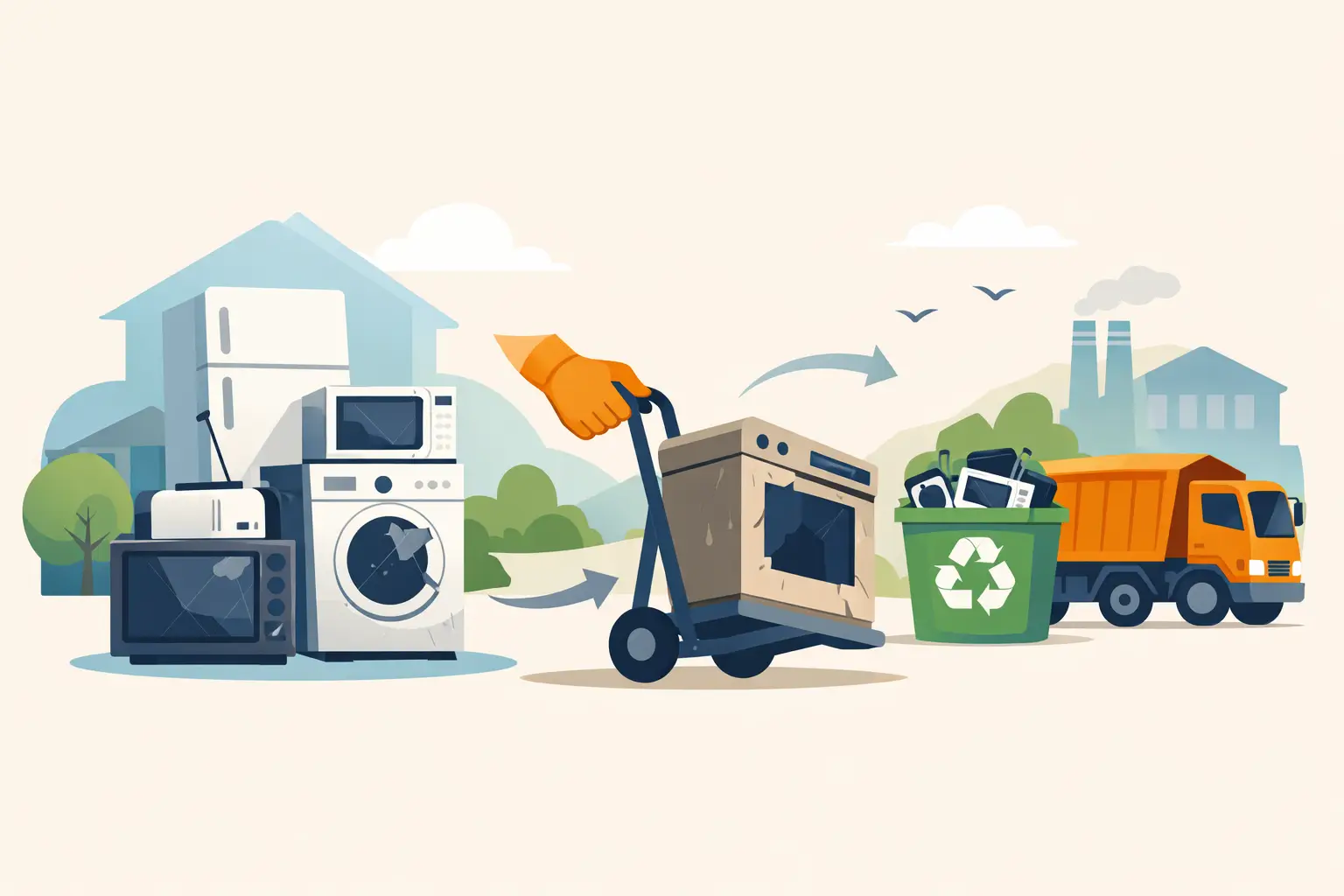
If the appliance has scrap value but no practical resale value, metal recycling is often the next best choice. Many parts of an appliance can be recycled, including steel, aluminum, and copper components. That keeps usable material out of the landfill and may reduce disposal fees compared with general waste handling.
Manufacturer or retailer haul-away is another option, especially when you are buying a replacement. Some stores will remove the old unit when they deliver the new one. That is convenient, but it depends on timing, access, and what exactly they are willing to take. Not every delivery team will disconnect appliances, carry units up or down stairs, or remove more than one item.
Municipal bulk pickup may also be available, but this is where details matter. Some cities require advance scheduling. Others limit what can be placed curbside, and many have separate rules for appliances containing refrigerants. If the pickup window is several days away and you need immediate results, waiting may not be realistic.
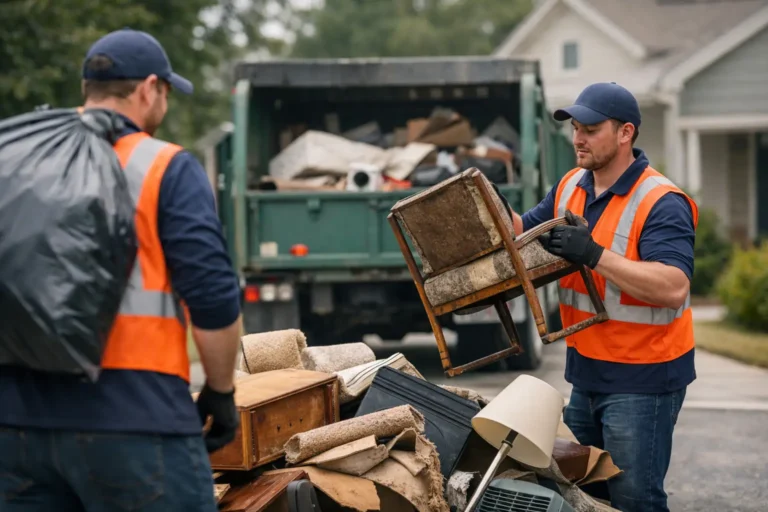
For many people, the simplest route is full-service junk removal. That is especially true when the appliance is oversized, difficult to access, or part of a larger cleanout. A hauling crew can do the lifting, protect the property during removal, and route the item for donation or recycling when possible.
Appliances that need extra care
Some appliances are straightforward. Others come with special disposal requirements.
Refrigerators, freezers, air conditioners, and dehumidifiers are in a category of their own because they may contain refrigerants. These units should be handled by professionals who understand how they must be processed. Leaving one on the curb without checking local guidelines can lead to delays or rejection.
Dishwashers, stoves, ovens, washers, and dryers are usually easier to haul, but they still present a weight and access challenge. Built-in appliances are another issue. If a wall oven, cooktop, or over-the-range microwave is still installed, removal may involve basic disconnection and careful extraction from cabinetry.
Small appliances like microwaves, toasters, and mini fridges can seem easy enough to toss, but that is not always the best move. Many contain recyclable parts or electronic components that should be separated from regular household trash.
What to do before the appliance is removed
A little prep can make appliance disposal much smoother. First, empty the unit completely. Food, water, lint, cleaning products, and loose contents should all be removed before pickup.
If it is a refrigerator or freezer, unplug it in advance and allow time to defrost if needed. That helps avoid leaks during removal. For washers and dishwashers, make sure water lines are disconnected. For gas appliances, use appropriate caution. If you are not qualified to disconnect a gas line, do not guess. Bring in the right help.
It also helps to clear a path from the appliance to the exit. Move rugs, décor, small furniture, and anything breakable out of the way. If the item is being removed from an upper floor, a narrow hallway, or a garage packed with storage, mention that when scheduling service. Accurate details help avoid surprises and keep the job efficient.
When DIY disposal makes sense – and when it does not
If you have a truck, proper lifting equipment, extra hands, and a nearby recycling facility that accepts your appliance type, DIY disposal may be worth it. This can be practical for a single, easy-to-access item like an old dryer in a ground-level garage.
But there are trade-offs. You still have to move the appliance safely, load it, secure it for transport, unload it, and make sure the destination will accept it. One wrong turn can mean wasted time, damage to your vehicle, or an appliance still sitting in your driveway at the end of the day.
Professional hauling usually makes more sense when the appliance is heavy, installed, upstairs, or part of a tight timeline. It is also the better option when you are clearing multiple items at once. During a move-out, estate cleanout, foreclosure, or renovation, speed matters. So does not having to coordinate disposal rules for every single item on the property.
Why responsible disposal matters
Appliance disposal is not only about getting rid of something big. It is also about where that item ends up. Responsible disposal means looking at donation first when the item is usable, then recycling materials that still have value, and using landfill disposal only when necessary.
That approach is better for the community and often better for the customer too. It reduces clutter quickly without treating every old appliance like pure waste. It also gives you confidence that the job is being handled the right way, especially if you are managing a property, preparing a home for sale, or cleaning out a family member’s house.
A full-service company with an eco-conscious process can take a lot off your plate. Local Loop Junk Troop handles appliance hauling with the same focus customers expect from a professional removal team – clear pricing, respectful service, and a straightforward process that keeps the job moving.
How to choose the right appliance disposal solution
The best choice comes down to three things: condition, access, and urgency. If the appliance works and you have time, donation or resale may be worth pursuing. If it is broken but recyclable, a facility or hauling company that sorts materials responsibly is a better fit. If you need it gone now and do not want to deal with lifting, transport, or disposal logistics, full-service removal is usually the cleanest solution.
There is no prize for wrestling a dead freezer down the stairs by yourself. The smart move is the one that protects your time, your property, and your back while making sure the appliance is handled properly.
If you are staring at an old stove, fridge, washer, or office breakroom appliance and putting it off because the job feels bigger than it should, that is usually your answer right there. Get it out safely, get the space back, and move on to the next thing on your list.