
A garage can fill up one box, broken chair, leftover paint can, and outgrown bike at a time. Then one day, the car no longer fits, finding a rake takes 20 minutes, and every weekend project starts with moving piles around. The best ways to declutter garage spaces are not about buying more bins first. They start with making clear decisions about what deserves space in one of the hardest-working areas of your home.
For Charlotte-area homeowners, a garage cleanout often happens before a move, renovation, estate transition, appliance replacement, or spring cleanup. It can also be the task that has been waiting since the last storm, the last tenant move-out, or the last time you said, “We’ll deal with it later.” A practical plan makes the work manageable and helps you avoid moving the same unwanted items from one corner to another.
Start With a Clear Goal and a Realistic Time Block
Do not begin by opening every tote in the garage. Start by deciding what you want the space to do when you are finished. Maybe the priority is parking two cars, setting up a workbench, storing lawn equipment safely, or simply creating an open path to the water heater and electrical panel.
That goal guides every decision that follows. If an item does not support how you use the garage now, it should not automatically keep a permanent spot there just because it has been there for years.
Set aside a realistic block of time. A lightly cluttered one-car garage may be manageable in an afternoon. A packed garage with furniture, old appliances, renovation debris, or years of household overflow may take a full weekend or require a hauling crew. It is better to finish one zone completely than to pull everything out and leave the driveway crowded for days.
Before you begin, clear a staging area in the driveway or yard if weather permits. This gives you room to sort without stacking decisions on top of each other inside the garage.
Use the Best Ways to Declutter Garage Items: Sort by Decision
The fastest sorting method is simple: every item gets a destination. Create areas for keep, donate, recycle, sell, hazardous disposal, and haul away. Avoid creating a vague “maybe” pile unless you set a firm deadline for deciding what is in it. A maybe pile often becomes the next generation of clutter.
As you work, start with obvious items. Broken patio furniture, empty boxes, damaged toys, worn-out shelving, old mattresses, scrap wood, and duplicate household items are usually easier to decide on than sentimental belongings. Quick wins create room to work and keep momentum going.
For the items you plan to keep, ask direct questions. Have you used it in the past year? Would you buy it again today? Does it work? Do you have more than one? Is the garage the right place for it?
That last question matters. Family photographs, heirlooms, important paperwork, and temperature-sensitive electronics are often better stored inside the home. Garages in the Carolinas can be hot, humid, and prone to moisture, which can damage paper, fabric, tools, and electronics over time.
Deal With the Categories That Cause the Most Backup
Certain garage items tend to linger because they are awkward, heavy, or complicated to dispose of. Handle these categories early so they do not stall the entire cleanout.
Old paint, motor oil, pesticides, propane tanks, pool chemicals, batteries, fluorescent bulbs, and some electronics need special handling. Never pour chemicals down a drain, place them in regular trash, or mix unknown products together. Keep them upright, labeled when possible, and separate from items headed for donation or recycling. Local disposal requirements can vary, so plan for the correct collection option before loading them into a vehicle.
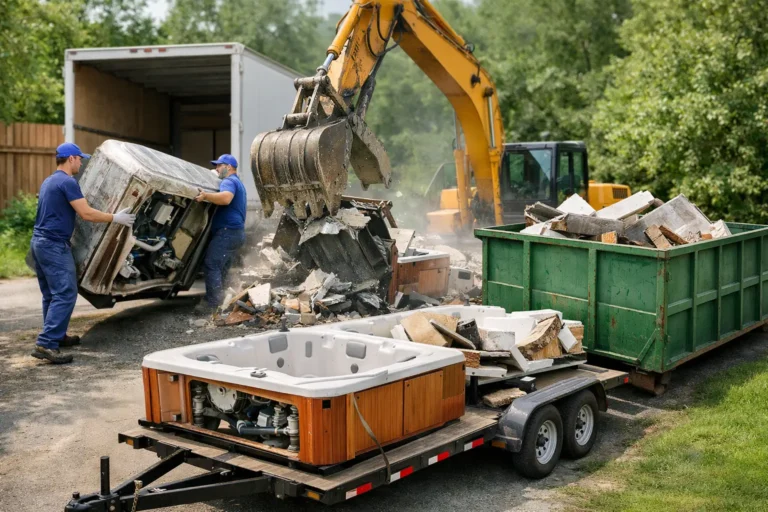
Appliances, tires, televisions, exercise equipment, and large furniture also deserve a plan. They take up substantial space, may require two people to move safely, and are not always accepted through regular curbside pickup. If a refrigerator or freezer is involved, make sure it is empty and accessible before arranging removal.
Paper is another common trouble spot. Keep only records that serve a current legal, tax, medical, or household purpose. Shred documents containing personal information, then recycle the rest. Old manuals are usually replaceable online, although this is one of the few cases where keeping a model number can be more useful than keeping a stack of paper.
Create Zones Before You Put Anything Back
Once the unwanted items are out, resist the urge to return everything to the first open shelf. Divide the garage into simple zones based on use. A lawn and garden zone might sit near the garage door, while automotive supplies can be kept near the vehicle area. Seasonal decorations belong together, and tools should live close to the workbench.
Keep frequently used items between knee and shoulder height. Heavy items should stay low, while lighter and less-used items can go higher. This reduces lifting strain and makes it easier to put things away after using them.
Leave a clear walkway from the garage door to the house and around essential equipment. Do not block the electrical panel, HVAC equipment, water heater, or garage door controls. A clean path is not just convenient. It makes routine maintenance and emergency access much safer.
Choose Storage That Solves a Specific Problem
Storage is helpful after decluttering, not before. Buying a wall of cabinets for items you do not need only hides the problem behind doors.
Open shelving works well for labeled bins and often makes it easier to see what you own. Clear bins are useful for small seasonal items, but opaque matching bins can look cleaner if every container has a detailed label. For tools, pegboards, wall rails, and hooks can get rakes, shovels, cords, and ladders off the floor.
Use overhead storage carefully. It is a good fit for lightweight, rarely used items such as holiday decorations, but not for heavy boxes or things you need often. Make sure ceiling racks are properly installed and do not interfere with the garage door path.
You do not need every item to be stored in a container. Bikes, strollers, lawn tools, extension cords, and folding chairs are often better managed with wall-mounted hooks or vertical storage. The right choice depends on the item, available wall space, and who needs to access it.
Set Limits for Seasonal and Hobby Supplies
Garages often become the default warehouse for holiday decor, camping gear, kids’ sports equipment, and unfinished projects. These categories can be worth keeping, but they need boundaries.
Give each category a defined shelf, cabinet, or set number of bins. When that space is full, choose what to donate, recycle, sell, or remove before bringing in something new. This approach is more effective than trying to organize an unlimited amount of stuff.
For projects, be honest about what is active. A half-used box of tile, several pieces of scrap lumber, or a repair item may be reasonable to keep if there is a scheduled plan for it. Materials with no intended use often become clutter that is expensive to store and difficult to move later.
Plan the Exit Route Before You Start Lifting
A garage cleanout can involve bulky, sharp, dirty, or extremely heavy items. Protect yourself and your property by planning how each large item will leave the space. Clear a route, wear closed-toe shoes and work gloves, and use a dolly or lifting straps when appropriate. Never try to move a heavy appliance, safe, large sectional, or oversized equipment alone.
Donation can be a good option for furniture, tools, household goods, and other items that are clean, safe, and usable. Recycling may be available for metal, cardboard, certain electronics, and other materials. The condition of the item matters. A donation center cannot use broken furniture or unsafe appliances, and a recycling facility may have specific preparation requirements.
For items that are too large, too damaged, or too time-consuming to manage yourself, full-service junk removal can save a major amount of labor. A professional crew can assess the load, provide an on-site quote, do the lifting, and haul away unwanted garage items while prioritizing donation and recycling when possible. Local Loop Junk Troop can help Charlotte homeowners clear furniture, appliances, yard waste, construction debris, and other bulky garage clutter without requiring a rental truck or multiple disposal trips.
Keep the Garage Clear With a Simple Reset Routine
A decluttered garage stays useful only if it has a reset habit. Spend 10 minutes once a month putting misplaced items back in their zones. After a home project, deal with leftover materials right away instead of leaving them by the wall. Before the holidays or a major purchase, check what you already have.
A seasonal review also helps. At the start of spring and fall, pull out the items you expect to use, check for damaged equipment, and remove what no longer fits your household. This is particularly useful after children outgrow sports gear or when a move, renovation, or downsizing changes how your home needs to function.
The goal is not a showroom garage. It is a garage where you can park, find what you need, and move around safely. Start with one section, make the next decision in front of you, and let every item earn the space it takes up.