When pickup day is on the calendar, the last thing you want is a delay because a path is blocked, items are mixed together, or a crew has to sort through things you meant to keep. If you’re wondering how to prepare for junk pickup, a little planning goes a long way. It helps the job move faster, keeps pricing clear, and makes the whole process easier on you.
Most junk removal appointments are straightforward, but every property is different. A single couch by the curb is not the same as a garage cleanout, an estate cleanout, or a backyard filled with storm debris. The better organized the load is before the team arrives, the faster they can assess it, quote it, and haul it away without unnecessary back-and-forth.
How to Prepare for Junk Pickup Before the Crew Arrives
Start by deciding exactly what is going. That sounds obvious, but it is where many slowdowns happen. Customers often point to a room and say, “take most of this,” then realize halfway through that a lamp, family photos, tools, or paperwork were supposed to stay. Before pickup day, do one full pass through the space and separate junk from keep items.
If possible, mark anything that stays. A piece of painter’s tape, a sticky note, or simply moving keep items into a separate room can prevent confusion. This matters even more in garages, attics, basements, storage units, offices, and estate situations where many items are packed closely together.
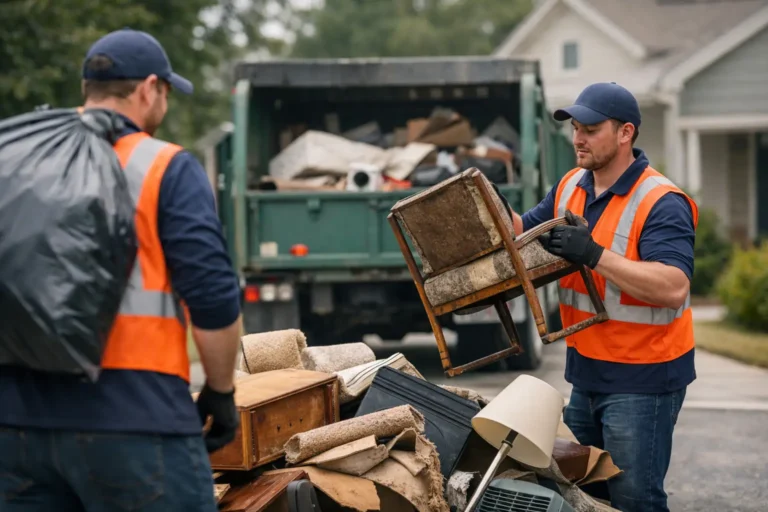
It also helps to group similar items. Put furniture with furniture, bag loose trash, stack boxes together, and keep yard waste in one area if you can. The crew can still do the lifting and loading, but grouped items are easier to estimate and remove efficiently.
Make sure access is clear
Junk pickup goes faster when the crew can get in, load up, and get out without obstacles. Clear a walkway from the junk to the nearest exit. Move cars out of the driveway if trucks need close access. Unlock gates, remove small tripping hazards, and secure pets before the team arrives.
If the junk is inside, think about stairs, tight hallways, elevators, and door widths. Large dressers, refrigerators, sectional sofas, and office furniture sometimes need extra maneuvering. Knowing that ahead of time helps avoid surprises and protects walls, floors, and door frames.
For apartment complexes, condos, and commercial properties, access details matter even more. If there is a loading zone, gate code, freight elevator, or property manager approval involved, line that up in advance. A five-minute phone call can save a much longer delay on pickup day.
Pull out anything that needs special handling
Not every item belongs in a standard junk load. Paint, chemicals, gasoline, propane tanks, certain batteries, and other hazardous materials may need separate disposal. Some items are recyclable, some are donatable, and some require extra labor because of weight or dismantling.
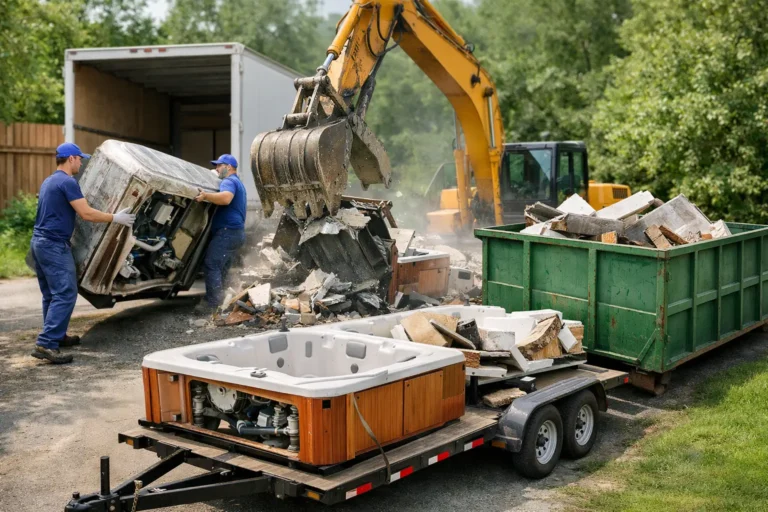
Appliances are a good example. A washer and dryer set near the garage door is simple. A refrigerator still connected in a second-floor kitchen is different. The same goes for hot tubs, sheds, pianos, playsets, and construction debris. These jobs are often handled every day by a full-service hauling team, but they should be identified upfront so the crew arrives prepared.
If you’re not sure whether something can go, ask before the appointment. Clear communication protects your time and keeps the quote accurate.
Sort first, then stage what you can
One of the best answers to how to prepare for junk pickup is to do your decision-making before the truck pulls up. Once the crew is on site, the process is meant to be quick. Sorting through every drawer, cabinet, or bin while labor is waiting usually slows the appointment and adds stress.
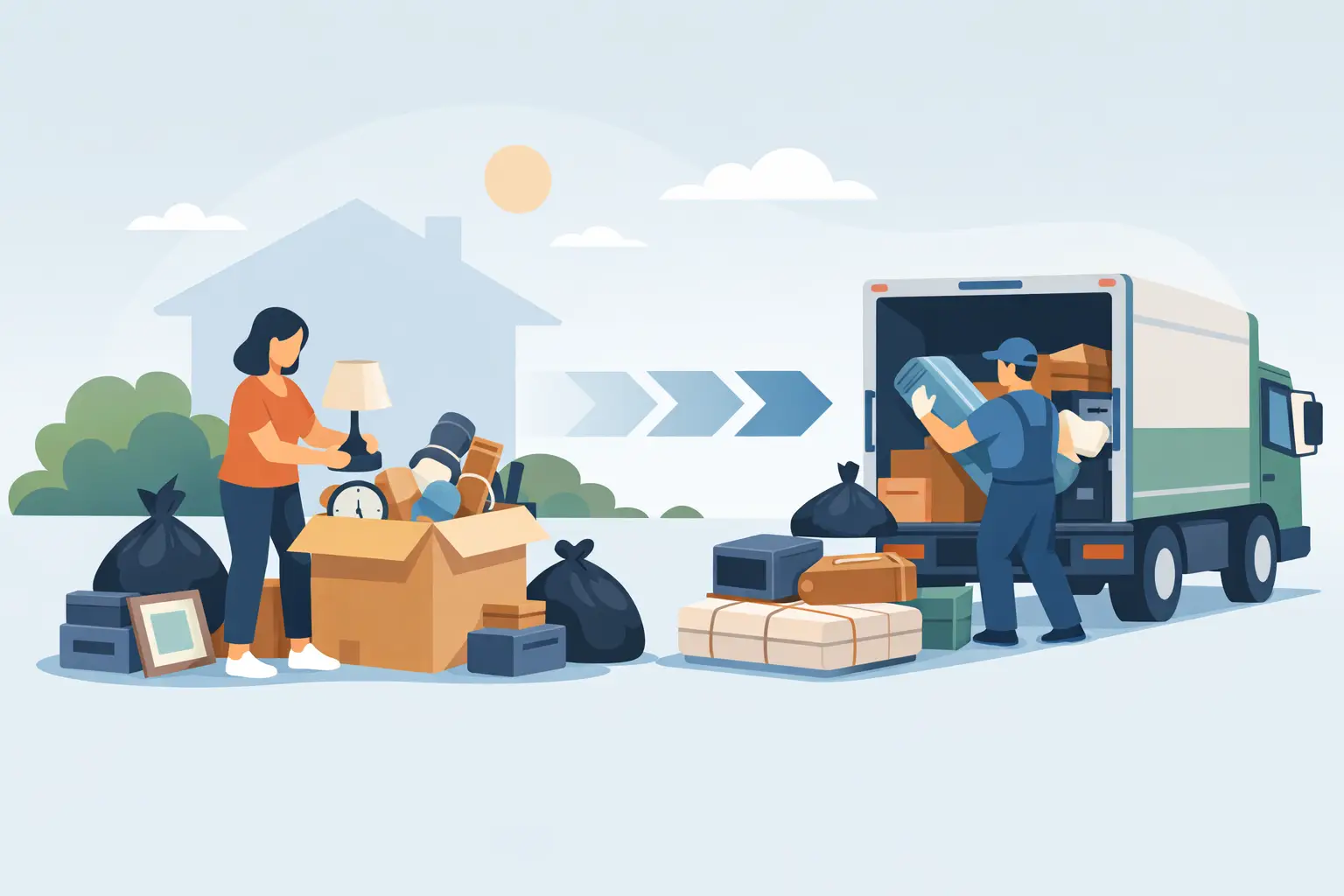
You do not need to drag everything to the curb unless that is easier for you. Full-service junk removal means the team does the heavy lifting. But if you are able to stage smaller items in one spot, such as a garage, driveway, or ground-floor room, that can speed things up. It is especially helpful during move-outs, office cleanouts, or rental turnovers where time matters.
There is a trade-off, though. If you stack everything too tightly or bury heavier items behind lighter ones, staging can create more work rather than less. Keep it neat, but leave enough room for safe lifting and loading.
Bag loose material and box small items
Small, scattered items take more time than most people expect. Loose toys, broken shelving pieces, random cords, clothing, or debris spread across a room can slow down removal. Bag what can be bagged and box what can be boxed.
That does not mean overpacking. Use manageable bag and box sizes that one person can lift safely. For sharp debris, use sturdy containers and let the crew know what is inside. Broken glass, metal scraps, and demolition material should never be hidden in thin trash bags where they can tear through unexpectedly.
Check for items you should keep out of the load
Before pickup, take one more look for things that should not leave with the junk. This includes IDs, tax documents, medication, legal papers, financial records, hard drives, family photos, jewelry, and sentimental items. During cleanouts, especially after a move, downsizing, or estate transition, important items can get mixed in by accident.
For electronics, decide whether you need to wipe personal data first. Old computers, printers, and office equipment often sit in storage for years before someone finally schedules a haul-away. Make sure anything sensitive has been removed or handled properly.
This is also the right time to set aside donations if you want to keep certain usable items out of the trash stream. A good junk removal company will often prioritize donation and recycling when possible, but only if those items are clearly identifiable and in a condition that makes sense to separate.
Be ready for an on-site quote
Many professional junk removal companies price based on volume, labor, accessibility, and the type of material being removed. That is why on-site quotes are common. To make that process easy, have all the items visible at the time of the estimate.
Adding a loveseat, mattress, and pile of fence panels after the quote changes the job. Sometimes that is no problem. Sometimes it affects truck space, labor time, or disposal costs. The more complete you are upfront, the more accurate your pricing will be.
If your job involves demolition along with pickup, mention that before booking. Tearing out a deck, shed, bathroom, kitchen, or interior walls is not the same as hauling away free-standing junk. Those jobs need the right tools, labor plan, and disposal setup from the start.
Take weather and timing seriously
Rain, mud, and storm debris can change the pace of a pickup. If your items are outside, cover what can be covered and keep paper goods or light debris from blowing around. Wet mattresses, soaked furniture, and muddy yard waste are still removable, but they may be heavier and messier to handle.
Timing matters too. If you need the job done before a closing, inspection, tenant turnover, appliance delivery, or renovation crew arrives, build in a little buffer. Same-day and next-day availability can be a huge help, but no one likes a last-minute scramble that could have been avoided with one day of planning.
How to prepare for junk pickup in special situations
Some appointments need a little more coordination. Estate cleanouts often involve multiple family members making decisions at once. Hoarder cleanouts may require a slower, more careful process. Rental property cleanouts can involve access windows, tenant belongings, or property rules. Commercial jobs may need after-hours service to avoid interrupting business.
In those cases, the goal is not perfect organization. The goal is clarity. Decide who is authorized to approve the work, identify what stays, and communicate any site restrictions before the team arrives. That alone can make a difficult cleanup feel much more manageable.
If you are preparing for a heavy or bulky removal, do not try to force items apart unless you know it is safe. A crew that handles furniture, appliances, exercise equipment, hot tubs, sheds, and construction debris regularly will know how to remove them without unnecessary damage to your property.
A well-prepared pickup does not mean doing the hard part yourself. It means making the job clear, accessible, and safe so the removal team can work quickly and leave your space clean. If you handle the sorting and access ahead of time, the rest gets a whole lot easier.