If you are downsizing, the attic is where delays usually start. It is the place where old keepsakes, unused furniture, seasonal bins, broken electronics, and half-finished projects pile up for years. A solid attic cleanout checklist for downsizing helps you make faster decisions, avoid bringing unnecessary items into a smaller home, and keep the process from turning into a weekend-after-weekend project.
The goal is not to empty the attic as fast as possible. The goal is to clear it with a plan. That means knowing what stays, what gets donated, what should be recycled, and what needs to be hauled away safely. When you approach it step by step, the work feels less overwhelming and the final move gets a lot easier.
Why an attic cleanout matters before downsizing
Attics hide more volume than most people realize. A few labeled bins can turn into dozens. One old dresser can block access to boxes you have not opened in ten years. By the time you are moving into a smaller house, condo, or senior living space, every extra item matters.
An attic cleanout also helps you avoid paying to move things you do not need. That matters whether you are hiring movers, using a rental truck, or coordinating an estate transition. The less you move, the less you spend on labor, packing supplies, transportation, and storage.
There is also a safety side to this. Attics are not easy work areas. Low clearance, heat, dust, insulation, weak flooring, nails, and awkward stairs can turn a simple cleanout into an injury risk. If the attic is packed, access is limited, or there are heavy items involved, full-service removal is often the faster and safer option.
Attic cleanout checklist for downsizing: start with a sorting plan
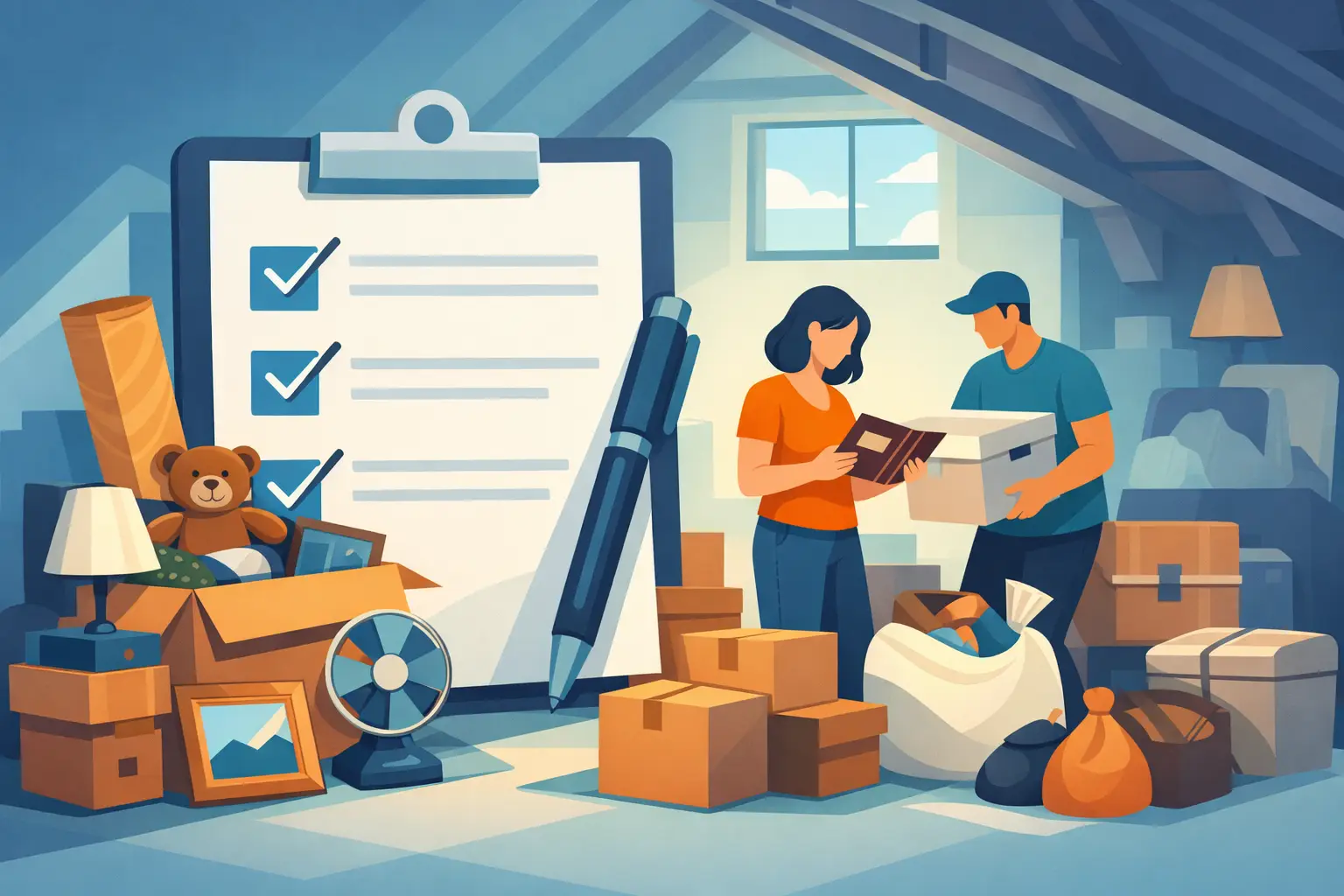
Before you carry a single box downstairs, set up a simple sorting system. Most homeowners do best with four categories: keep, donate, recycle, and junk. If you add too many categories, decision fatigue kicks in fast.
The keep pile should be small and specific. If something is going with you, it needs a clear purpose, a designated place in the next home, or strong personal value. Sentimental items are usually the hardest part of downsizing, so give yourself room to be realistic. Keeping a few meaningful items is different from moving ten bins of things no one has used in years.
Donate items that are still usable and in decent condition. Recycle what should not go in the trash, such as certain electronics, metals, or cardboard. Junk is everything broken, outdated, unsafe, or not worth moving. That category often ends up larger than people expect, especially in attics.
What to pull out first
Start with the easiest items, not the most emotional ones. Seasonal decorations, empty storage bins, duplicate kitchenware, old luggage, damaged furniture, and obsolete electronics are usually easier to decide on than family keepsakes.
This does two things. First, it creates space so you can move around safely. Second, it builds momentum. Once you see progress, it gets easier to deal with the boxes that need more thought.
If you find anything with water damage, mold, pest activity, or strong odors, separate it right away. Those items usually should not be donated, and they may need careful handling depending on condition.
A practical room-by-room mindset for attic items
Even though the attic is one space, think about the items by category as if they belonged to the rooms they came from. Holiday decor, baby gear, sports equipment, old office supplies, and spare furniture each raise different questions.
Furniture should earn its place. If it will not fit your next home or does not match a real need, there is little reason to move it. Old mattresses, cracked chairs, particleboard shelves, and damaged tables are common attic leftovers that cost more to move than they are worth.
Boxes of papers deserve a careful but limited review. Keep legal records, tax documents within the needed timeframe, clearly identified family archives, and essential personal paperwork. Shred what you no longer need. If a box has been untouched for years and contains old utility bills, outdated manuals, or random receipts, it is probably not worth carrying forward.
Clothing is another common attic trap. If it is out of style, damaged, does not fit, or has been packed away long enough to be forgotten, let it go. The same rule applies to stored kids’ items. Save a few meaningful pieces if you want to, but not every toy, costume, and school project needs to make the move.
How to handle sentimental items without getting stuck
This is where many attic cleanouts slow down. Family photos, inherited furniture, childhood keepsakes, military items, handwritten letters, and holiday ornaments can stop progress fast.
Set a limit before you start. That could be one memory bin per person, one shelf in the new home, or a defined number of photo boxes. A limit keeps sentimental decisions from taking over the entire project.
If several family members need input, do not leave those items in limbo for months. Pick a review date, ask for decisions, and move forward. Downsizing works best when the process has deadlines. Waiting for the perfect answer on every item usually means the attic stays full.
Items that need special disposal attention
Not everything in an attic should go out with regular trash. Paint cans, chemicals, old cleaners, fluorescent bulbs, batteries, TVs, and certain electronics may need separate disposal. The same goes for anything sharp, leaking, or unusually heavy.
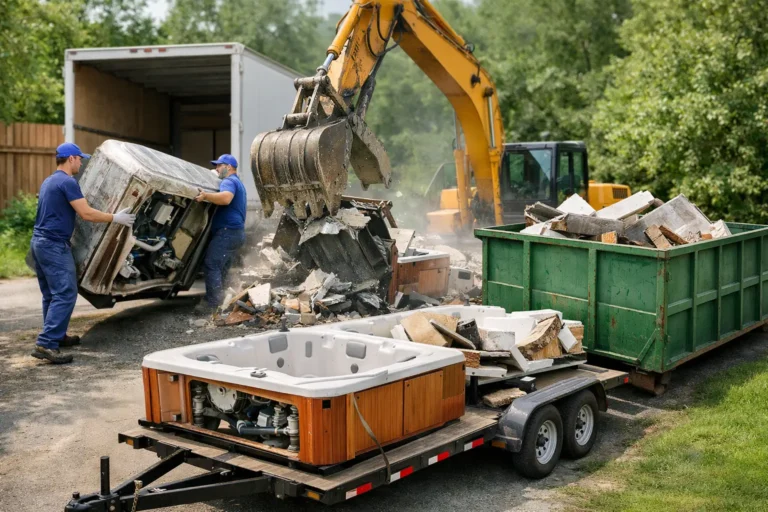
This is one of the biggest reasons homeowners call in a hauling team. Disposal rules are not always straightforward, and hauling items down attic stairs safely takes time and labor. If you are dealing with old appliances, large furniture, renovation debris, or packed storage from many years, professional help can save a lot of strain.
A company like Local Loop Junk Troop can be especially useful when the job includes bulky hauling, labor, and responsible disposal in one visit. That matters when your priority is clearing the space quickly without making multiple trips or guessing what can be donated or recycled.
Timing your attic cleanout for the least stress
If possible, clean out the attic before your home goes on the market or before movers are booked. Waiting until the final week adds pressure and usually leads to rushed decisions.
It also helps to work during cooler parts of the day. In Charlotte and surrounding areas, attic heat can be intense for much of the year. Early morning is safer and more manageable than midafternoon. Wear gloves, closed-toe shoes, and a dust mask if the attic is dirty or insulated.
For larger cleanouts, break the work into zones. Finish one side of the attic or one group of item types at a time. That keeps the project moving without turning every box into a separate debate.
When DIY makes sense and when it does not
A small attic with a few labeled bins is usually manageable on your own. If you are physically able, have enough time, and only need to sort and carry down light items, DIY can work well.
But it depends on the attic layout and what is stored there. If access is tight, stairs are steep, items are heavy, or the volume is bigger than expected, the job changes quickly. Downsizing often happens during already busy transitions like retirement moves, estate cleanouts, home sales, or assisted living changes. In those cases, speed and labor matter more than doing everything yourself.
Professional cleanout help is also worth considering if you need the attic emptied on a timeline, want on-site pricing, or do not want to coordinate donation drop-offs, dump runs, and recycling separately.
A simple final check before the attic is cleared
Before the last load leaves, do one final walkthrough. Make sure family keepsakes are not mixed into donation boxes. Confirm important paperwork is set aside. Check corners, rafters, and low walls for forgotten bins. Then look at what is left and ask one straightforward question: does any of this deserve space in the next chapter of your home?
That is the real value of an attic cleanout checklist for downsizing. It gives you a way to make clear decisions, protect what matters, and let go of what no longer fits. A smaller home works better when you bring less into it, and clearing the attic is often the first big step toward that relief.