That attic can stay out of sight for years, right up until you need the space, spot a leak, or realize it is packed wall to wall with boxes you have not opened in a decade. If you are wondering how to clear out an attic without turning it into an all-day headache, the key is to treat it like a real cleanout project, not a quick weekend chore.
Attics are different from closets, garages, and spare rooms. The access is tighter, the temperatures are worse, the footing can be uneven, and the contents are often dusty, fragile, or heavy. A good attic cleanout starts with safety, moves into sorting, and ends with a clear plan for hauling away what no longer belongs there.
How to clear out an attic without making a bigger mess
The biggest mistake people make is pulling everything down at once. That usually leads to blocked hallways, overloaded trash bags, and a pile in the driveway that still needs to be sorted later. A better approach is to work in controlled sections and make decisions as you go.
Start by picking a manageable zone, not the entire attic. One corner, one row of boxes, or one side near the access point is enough. This keeps the project moving and helps you avoid stirring up more dust and insulation than necessary.
Before you begin, set up clear categories on the floor below or in the garage. Keep, donate, recycle, trash, and hazardous items usually cover most situations. If you have estate items, old family records, or collectibles, give those a separate space so they do not get mixed into general junk.
It also helps to empty your path before you carry down the first load. You do not want to navigate stairs with a box in your hands while stepping around furniture, shoes, or loose toys. A clean route matters just as much as a clean attic.
Start with attic safety, not speed
An attic cleanout can go wrong fast if you rush it. Heat buildup is a real issue in North Carolina, especially in late spring and summer. Attics can become dangerously hot by midday, so early morning is usually the best time to work. If the attic has poor ventilation, stop often and do not push through dizziness or fatigue.
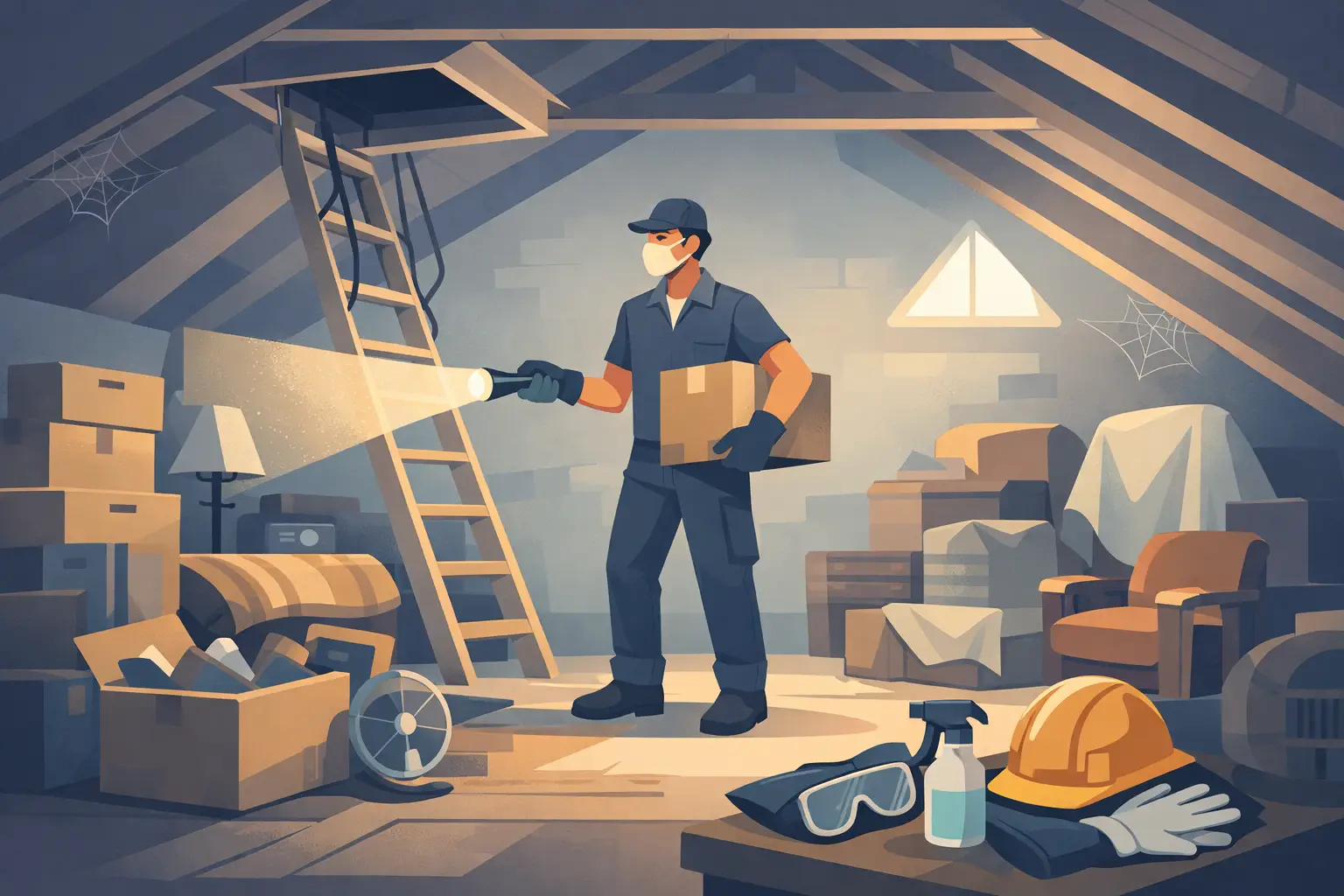
Wear gloves, long sleeves, eye protection, and a dust mask at minimum. Many attics hold old insulation, pest droppings, nails, splintered wood, and boxes that have weakened over time. Shoes with solid grip are also worth it, especially if you are stepping across joists or partial flooring.
Lighting matters more than people think. A phone flashlight is not enough for a space with low clearance and hidden trip hazards. Use a bright portable work light so you can see where you are placing your feet and what you are lifting.
If you notice signs of roof leaks, mold, active pests, exposed wiring, or sagging flooring, pause the cleanout and deal with those issues first. Sometimes the right move is not more effort. It is calling the right help before the cleanup continues.
Sort by decision, not by nostalgia
Attics are where delayed decisions tend to live. Baby gear, holiday decorations, old electronics, luggage, clothes, paperwork, broken furniture, and boxes labeled maybe all end up there. If you want real progress, each item needs a decision.
A simple rule helps. If you did not know it was in the attic, there is a good chance you do not need it. That does not mean throw away anything with family value, but it does mean being honest about what is actually worth keeping.
Start with obvious trash first. Broken plastic bins, damaged decorations, empty boxes, old packing materials, stained textiles, and unusable furniture should not take up any more time than necessary. Removing easy clutter creates space and momentum.
Next, pull out items with clear value for donation or recycling. Gently used household goods, tools, decor, and some furniture may still be useful to someone else. Electronics, metal items, and certain plastics should be separated if your disposal plan includes recycling.
Paperwork is where many attic cleanouts slow down. Unless you already know a box contains important legal or tax records, avoid reading every page in the middle of the project. Put questionable paper items into one review box and keep moving. You can sort that category in a cooler, cleaner space later.
Know what should not stay in an attic
Some items are better removed even if they are technically still useful. Attics are exposed to heat swings and humidity, which can damage materials over time. Photos, important records, candles, batteries, paint, chemicals, and many electronics should not be stored there long term.
Fabric can absorb odors and moisture. Cardboard attracts pests. Plastic bins hold up better, but even they should not become a reason to keep everything. If the attic has turned into permanent overflow storage for things you rarely touch, clearing it out may also help protect the items that actually matter.
This is especially relevant if you are preparing for a move, listing a home, managing an estate, or trying to reclaim usable space. A cleaner attic can make inspections easier, reduce fire load, and remove one more unfinished task from a much bigger transition.
Heavy, bulky, or awkward items change the plan
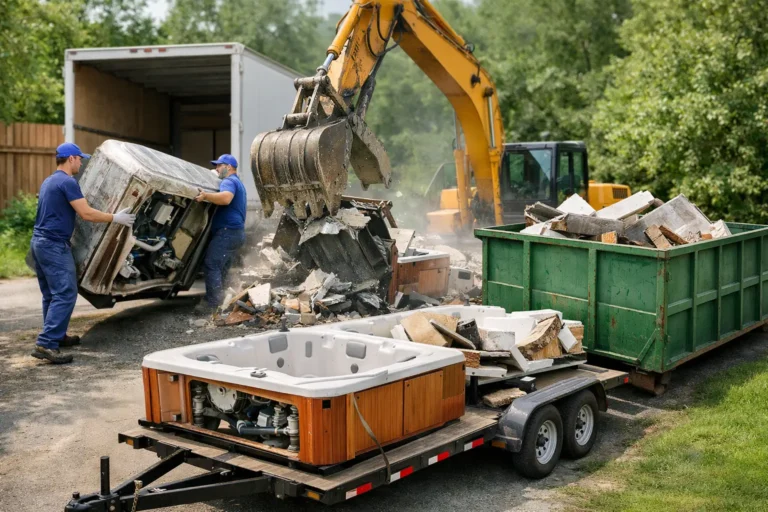
Not every attic cleanout is just old boxes and decorations. Some attics hold dressers, mattresses, shelving, trunks, or leftover renovation debris. That is where the project becomes less about organizing and more about labor, access, and disposal logistics.
If an item is too large to fit safely through the attic opening, do not force it. You may need partial disassembly, a second set of hands, or in some cases a professional crew that can remove it without damaging walls, floors, or stair rails. The same goes for anything unusually heavy or unstable.
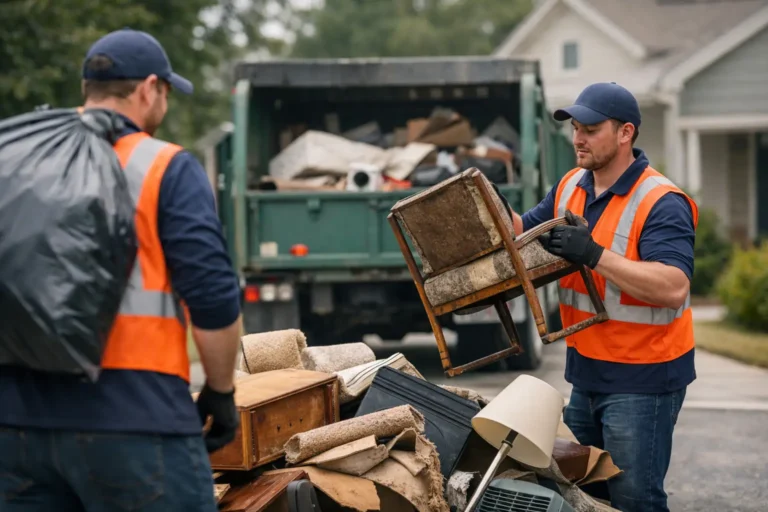
There is also a point where DIY stops saving time. If you are clearing out an attic before a sale, after a tenant move-out, during downsizing, or while handling a family member’s estate, speed and follow-through matter. A full-service junk removal team can sort what is haul-away ready, carry it out safely, and handle donation, recycling, and disposal without leaving you with a cleanup aftermath.
How to clear out an attic when time is tight
Sometimes you are not cleaning out an attic because you finally felt motivated. You are doing it because a contractor needs access, a house is going on the market, family is coming into town, or a property turnover is on a deadline.
In those cases, perfection is not the goal. Prioritize access, safety, and volume reduction. Remove trash and damaged items first, then obvious donate items, then anything that does not need more than a few seconds of thought. Save sentimental review for last or box it separately so the main cleanout does not stall.
For landlords, property managers, and real estate professionals, attic cleanouts often come with a larger to-do list. You may also be dealing with garages, sheds, crawl spaces, or interior debris. Bundling those tasks can be more efficient than addressing each one in pieces.
That is also where dependable scheduling matters. If you need labor, hauling, and disposal handled without chasing multiple vendors, a local full-service crew can often do in hours what stretches into several weekends on your own.
Disposal is where many attic projects get stuck
Getting everything out of the attic is only half the job. Then you still need to figure out what can be donated, what can be recycled, what belongs at the curb, and what requires special handling. That is where many homeowners lose momentum.
Responsible disposal takes more than loading up a few bags. Old TVs, chemicals, paint, fluorescent bulbs, and some electronics may need separate handling. Large furniture and bulky waste can exceed normal pickup limits. If you have mixed materials, damaged items, and heavy loads, a straightforward haul-away service often saves both time and repeat trips.
Local Loop Junk Troop works with customers in Charlotte and surrounding areas who want attic cleanouts handled without the lifting, sorting stress, or disposal guesswork. That is especially helpful when the attic is only one part of a larger cleanup.
What a finished attic cleanout should actually look like
A successful attic cleanout is not just an empty floor. It is a space you can safely access and manage going forward. Once the clutter is gone, sweep out loose debris if the flooring allows it, check for signs of moisture or pest activity, and limit what goes back in.
Store only what truly belongs there, and use labeled bins instead of loose cardboard when possible. Leave a clear path from the access point to any major storage area. If you ever need to inspect the space again, you will be glad you did.
If the attic keeps filling up because the rest of the property is overloaded, that is a sign to think bigger than storage. Sometimes the fastest way to clear out an attic is to pair it with a garage cleanout, furniture removal, or whole-home junk hauling so the clutter does not simply move from one space to another.
The best attic cleanout plan is the one you can actually finish. Start early, work safely, make quick decisions where you can, and get help when the lifting, hauling, or disposal becomes the hardest part.