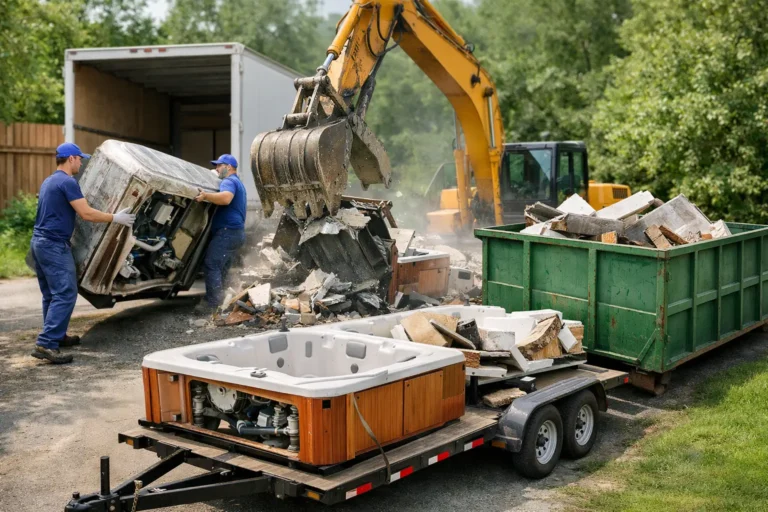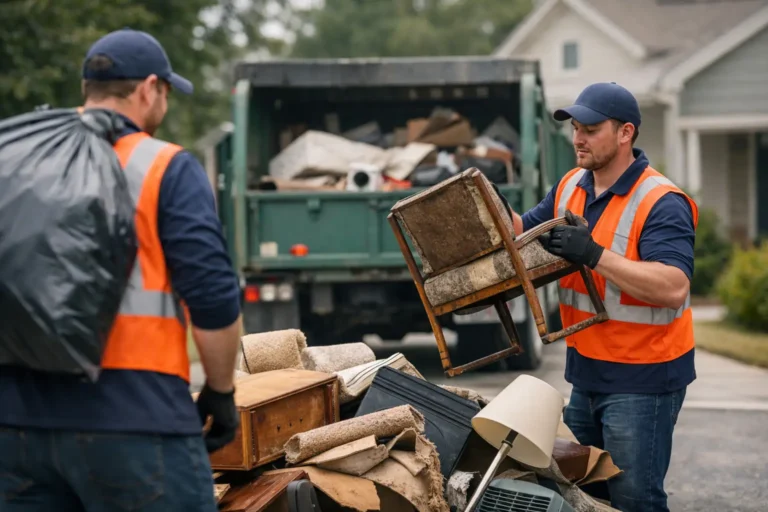

A broken copier in the storage room, old shelving behind the counter, and boxed-up inventory from three years ago can quietly turn useful square footage into a daily headache. Small business junk pickup gives Charlotte-area owners and managers a practical way to clear it out without assigning employees to heavy lifting, truck rentals, or disposal runs.
The goal is not simply to make a space look better. Clearing unwanted items can improve safety, open room for inventory or workstations, support a move or renovation, and help your team stay focused on the work that brings in revenue. When time is tight, a full-service crew that can assess, load, haul, and sort items for responsible disposal is usually the simplest answer.
When Small Business Junk Pickup Makes Sense
Businesses often put off removal because every item seems manageable on its own. One old desk becomes a stack of desks. A few leftover displays become a crowded back room. Before long, the cleanup requires more labor, more time, and more coordination than anyone expected.
Junk pickup is especially helpful during an office relocation, retail reset, lease turnover, renovation, warehouse reorganization, or ownership change. Restaurants may need to remove worn tables, damaged equipment, old booth seating, or packaging materials. Offices may be dealing with cubicles, filing cabinets, conference tables, monitors, and surplus furniture. Property managers may need a fast cleanout after a commercial tenant leaves items behind.
It also makes sense when safety is becoming a concern. Unstable stacks, blocked exits, narrow walkways, and bulky items stored near electrical equipment are not just inconvenient. They can create trip hazards and make routine work harder for staff.
What a Full-Service Commercial Pickup Can Remove
A capable junk removal team handles far more than a few trash bags. The exact items accepted depend on their condition, size, local disposal rules, and whether they contain regulated materials, but commercial pickup commonly covers office furniture, retail fixtures, shelving, desks, chairs, cubicles, conference tables, and filing cabinets.
It can also include appliances, electronics, cardboard, pallets, construction debris, carpet, scrap materials, warehouse clutter, and general non-hazardous junk. If you are updating a workspace, light demolition can be useful before hauling begins. Removing built-in shelving, old cabinets, partitions, flooring materials, or a damaged deck may require a crew with the right labor, tools, and plan for cleanup.
There are limits. Hazardous chemicals, certain paints, fuels, medical waste, and other regulated materials usually need specialized handling. Ask about questionable items before scheduling so there are no surprises when the crew arrives. A professional company will be direct about what it can haul and what needs another disposal route.
The Real Cost of Waiting
The visible pile is only part of the cost. Cluttered storage areas can force a business to rent off-site storage, order supplies it already owns but cannot find, or use valuable employee time to move items around. A crowded space can also make a poor impression on customers, vendors, inspectors, and prospective tenants.
Waiting is not always wrong. If you are still deciding what to keep after a move, it may make sense to sort carefully first. But once the decision is made, a scheduled pickup prevents the project from lingering for months.
For lease turnovers and renovations, delays can be even more expensive. Every day a suite, storefront, or work area stays unusable can push back contractors, opening dates, inspections, or new tenant access. Fast removal is often less about convenience and more about keeping the next step on schedule.
How the Pickup Process Should Work
A straightforward process matters because business owners do not have time for vague arrival windows or surprise charges. Start by describing the items, the location, and any access details. Photos can help with larger cleanouts, especially when there are stairs, elevators, loading docks, tight hallways, or multiple rooms involved.
When the crew arrives, they should review the scope and provide an on-site price before work begins. Upfront pricing gives you the chance to approve the job with confidence. Once approved, the team handles the lifting and loading while respecting your building, shared hallways, parking areas, and remaining equipment.
For many commercial jobs, it helps to identify which items stay and which items go with signs, labels, or a quick walkthrough. This is particularly useful in offices where furniture, equipment, and records may be mixed together. Clear instructions protect the items your business still needs.
After loading, the crew hauls the materials away and sorts what it can for donation, recycling, or proper disposal. Local Loop Junk Troop provides this labor-inclusive approach for businesses that need a clean, orderly removal without turning employees into a cleanup crew.
Planning a Small Business Junk Pickup Without Disrupting Work
The best pickup time depends on your operation. A retail shop may prefer before opening, after closing, or during a slower weekday period. An office may schedule removal when employees are working remotely. A restaurant might choose a time between service windows. For a warehouse, the key may be keeping dock access and forklift lanes open.
Think through traffic flow before the appointment. Reserve loading access if your property requires it, notify building management when necessary, and make sure the crew can reach the items. If the removal includes large furniture or demolition debris, measuring doorways, elevators, and stairwells ahead of time can prevent avoidable delays.
You do not need to pre-haul everything to the curb. Full-service junk removal is designed to save that effort. Still, separating paperwork, personal belongings, customer data, and reusable business assets beforehand is wise. Sensitive documents should be handled through an appropriate shredding or records process rather than mixed into a general junk load.
Responsible Disposal Is Worth Asking About
Not every unwanted item belongs in a landfill. Usable desks, chairs, fixtures, and equipment may have a second life through donation. Metals, cardboard, electronics, and certain construction materials can often be recycled through the right channels.
Responsible disposal takes extra sorting and coordination, so results depend on the item condition and local facility requirements. A stained sofa may not be donation-ready, while clean office chairs or sturdy shelving might be. The important point is to work with a provider that looks for practical donation and recycling options before treating every load as trash.
That approach can matter to employees and customers, but it also reflects good business sense. Reducing avoidable waste is a better outcome than sending usable materials straight to disposal.
Questions to Ask Before You Schedule
Before choosing a pickup provider, confirm whether the quote includes labor, loading, hauling, and disposal fees. Ask how pricing is determined, whether there are added charges for heavy items or difficult access, and whether an on-site quote is available before work starts.
For larger projects, ask about appointment timing, crew size, insurance, and whether the company can coordinate removal around a renovation or property turnover. If your business has a same-day need, ask directly about availability rather than assuming the next open slot will work.
Finally, discuss disposal priorities. If donation or recycling is meaningful for your business, say so at the beginning. A clear conversation helps the crew plan the most responsible and efficient route for the materials being removed.
A back room, office suite, retail floor, or warehouse does not have to stay tied up by things your business no longer needs. Once you know what is leaving, a well-planned pickup can turn that space back into something useful by the end of the day.