
An estate cleanout is rarely just a big pickup job. It often follows a loss, a move to assisted living, a home sale, or a deadline from a realtor, landlord, or probate court. Knowing how to clean out an estate starts with giving yourself a workable plan, so valuable belongings do not get discarded and the property can be cleared without adding more stress to an already difficult situation.
How to Clean Out an Estate Step by Step
The fastest way to create problems is to start throwing things into bags or moving furniture before you know what is in the home. Estate cleanouts usually include years of paperwork, family keepsakes, furniture, appliances, clothing, garage items, and attic storage. Work room by room, and avoid making final disposal decisions in the first few minutes.
Start by confirming who has the authority to make decisions. If the estate is going through probate, the executor, personal representative, or attorney may need to approve sales, donations, or removal of certain items. Family members should agree on the process before anything leaves the property. A short written plan can prevent misunderstandings later.
Next, walk through the home and make a basic inventory. You do not need a detailed appraisal list for every lamp or dish, but note major furniture, vehicles, safes, collections, appliances, sheds, and large piles of stored materials. Take photos of each room before sorting. This creates a record of the home’s condition and helps distant relatives understand what is there.
Set up clear sorting areas or use labeled boxes: keep, family review, sell, donate, recycle, shred, and haul away. The labels matter because a cleanout moves quickly once people begin working. If a box is not clearly marked, it is too easy for an important item to end up in the wrong pile.
Protect Papers, Valuables, and Personal Items First
Before clearing closets, cabinets, or storage areas, look for documents and valuables. Check filing cabinets, desks, nightstands, dresser drawers, books, coat pockets, kitchen containers, and the space beneath mattresses. Important items are not always stored where you would expect.
Keep documents such as wills, property deeds, vehicle titles, insurance policies, tax returns, bank records, military records, Social Security correspondence, and business paperwork in a secure location. Shred documents containing account numbers, medical information, or other personal details once they are no longer needed. Do not put sensitive papers directly into the trash or a donation box.
Jewelry, cash, coins, firearms, collectibles, artwork, and family photographs deserve a separate review. A professional appraisal may make sense for antiques, fine art, rare collections, or items with unclear value. On the other hand, not every older item is valuable. Appraisal fees and time can outweigh the return for common household goods, so focus your effort where there is a reasonable reason to investigate.
Firearms require extra care. Make sure they are unloaded and handled according to local and state requirements. If you are unsure about legal transfer or disposal, contact a qualified dealer or local authority before arranging removal.
Sort by What Happens Next, Not by Sentiment Alone
Every item in an estate carries a memory for someone, but not every item needs to remain in the home while the family decides. Give relatives a reasonable deadline to claim items, especially when the property needs to be listed or returned to a landlord. Photos and a shared list can help family members choose without traveling back and forth repeatedly.
Items in good, usable condition may be appropriate for donation. Furniture, working appliances, household goods, clothing, books, and kitchenware can often serve someone else. Donation is a good option when resale value is modest but the item still has practical life left.
Selling can be worthwhile for higher-value furniture, tools, collectibles, vehicles, or large groups of desirable items. Estate sales, consignment, auctions, and local buyers all have different fees and timelines. An estate sale may sound like the best return, but it can require preparation, staging, pricing, and several days of access to the home. When a property has a closing date, a direct cleanout may be the more practical choice.
Items that are broken, heavily worn, water-damaged, contaminated, or unsafe generally belong in recycling or disposal. Mattresses, old paint, chemicals, electronics, batteries, propane tanks, and some appliances may have special handling requirements. Do not assume every item can be left at the curb or placed in a standard trash bin.
Create a Room-by-Room Work Order
A room-by-room plan keeps an estate cleanout organized and prevents crews or family members from stepping over the same items all day. Begin with low-emotion spaces such as laundry rooms, linen closets, bathrooms, garages, or storage sheds. These areas often provide quick progress and free up space for sorting.
Save bedrooms, offices, and rooms filled with family belongings for later, when the process is already moving. Attics, basements, and crawl spaces may require more time than expected because they often contain decades of boxed items. Plan for dust, pests, weak flooring, poor lighting, and heavy objects. Safety matters more than speed when navigating these spaces.
For each room, remove keep items first. Then separate donations and sale items from debris. Finally, clear out the remaining furniture and unwanted materials. Once the room is empty, sweep it out and take a photo. A visible record of progress makes a large property feel manageable.
If the home has a refrigerator or freezer, empty it early. Food waste creates odors quickly, particularly in a vacant house during a Charlotte summer. Also cancel or transfer utilities only after the cleanout is complete if you still need lighting, air conditioning, water, or garage access to finish the work safely.
Know When Full-Service Hauling Makes Sense
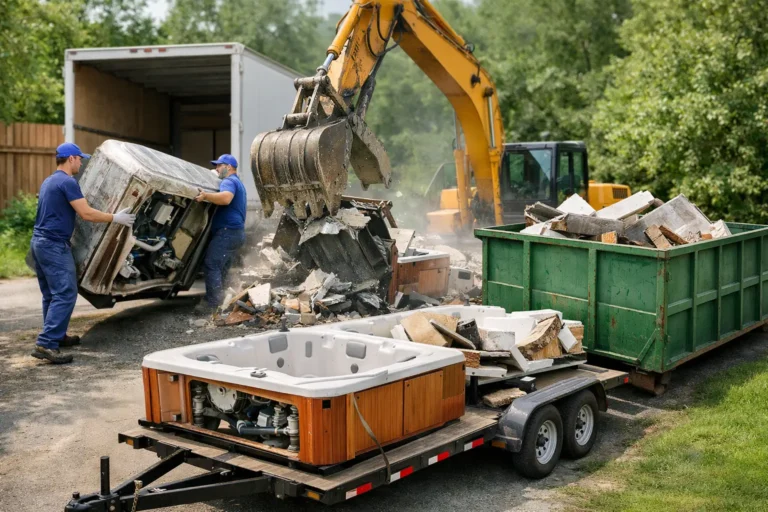
A pickup truck and a few willing relatives can handle a small cleanout. It becomes much harder when there are multiple rooms of furniture, heavy appliances, old mattresses, garage debris, attic contents, or a deadline tied to a real estate closing. The labor, loading, transportation, disposal sites, and donation drop-offs can turn a simple plan into several exhausting weekends.
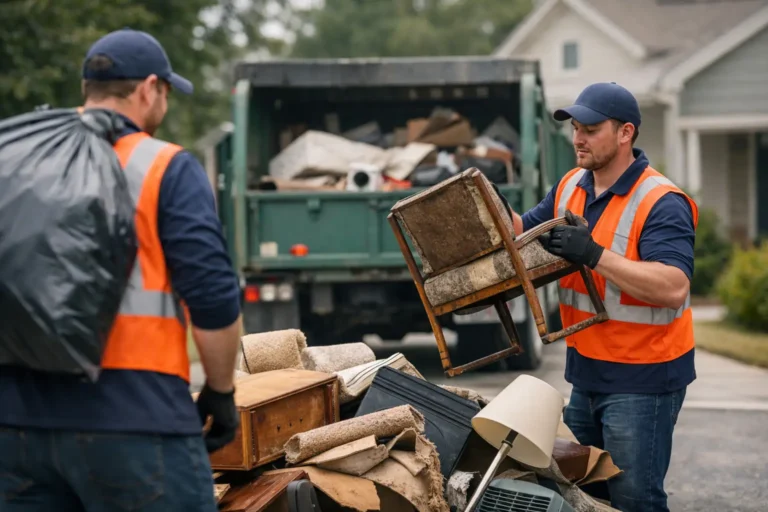
A full-service estate cleanout team can assess the volume, provide an on-site quote, handle the lifting, and remove items from wherever they sit in the home. That is especially helpful for second-floor furniture, bulky appliances, packed garages, sheds, or properties where family members live out of town. Ask for upfront pricing and confirm whether labor, loading, hauling, and disposal are included.
Responsible disposal should also be part of the conversation. Usable items may be donated, recyclable materials can be separated when possible, and the remaining debris should be disposed of properly. Not everything can be donated or recycled, but a thoughtful process keeps good items from automatically becoming landfill waste.
Prepare the Property for Its Next Step
After belongings are removed, do one final walkthrough before handing over keys or listing the home. Open every cabinet, closet, drawer, attic access point, shed, and outdoor storage area. Look behind appliances and inside built-in furniture. Check the mailbox, garage, and yard for overlooked items.
Remove address labels, prescription medications, personal mail, and spare keys. If the property will be sold, a basic cleaning, lawn service, and minor repair work may make the home easier to show. If it will be rented, confirm the landlord’s required condition and document the final result with photos.
The goal is not to rush through a family home or make every decision perfectly. It is to protect what matters, clear what no longer serves the estate, and leave the property ready for its next chapter. When the workload becomes too heavy, Local Loop Junk Troop can provide respectful, full-service hauling that helps Charlotte-area families move forward with a cleaner, more manageable space.