That worn-out couch, broken refrigerator, pile of renovation lumber, or garage full of boxes does not simply disappear once it is loaded onto a truck. It has to go somewhere, and what happens to hauled junk depends on what it is made of, whether it is still usable, local facility rules, and whether special handling is required.
For homeowners, landlords, and business owners, that next step matters. You may want a fast cleanout, but you may also want confidence that usable household goods are not treated exactly like wet, broken, or contaminated debris. A professional hauling crew sorts through those decisions after the heavy lifting is done, so you do not have to make multiple disposal trips or guess which facility accepts what.
What Happens to Hauled Junk After It Leaves Your Property
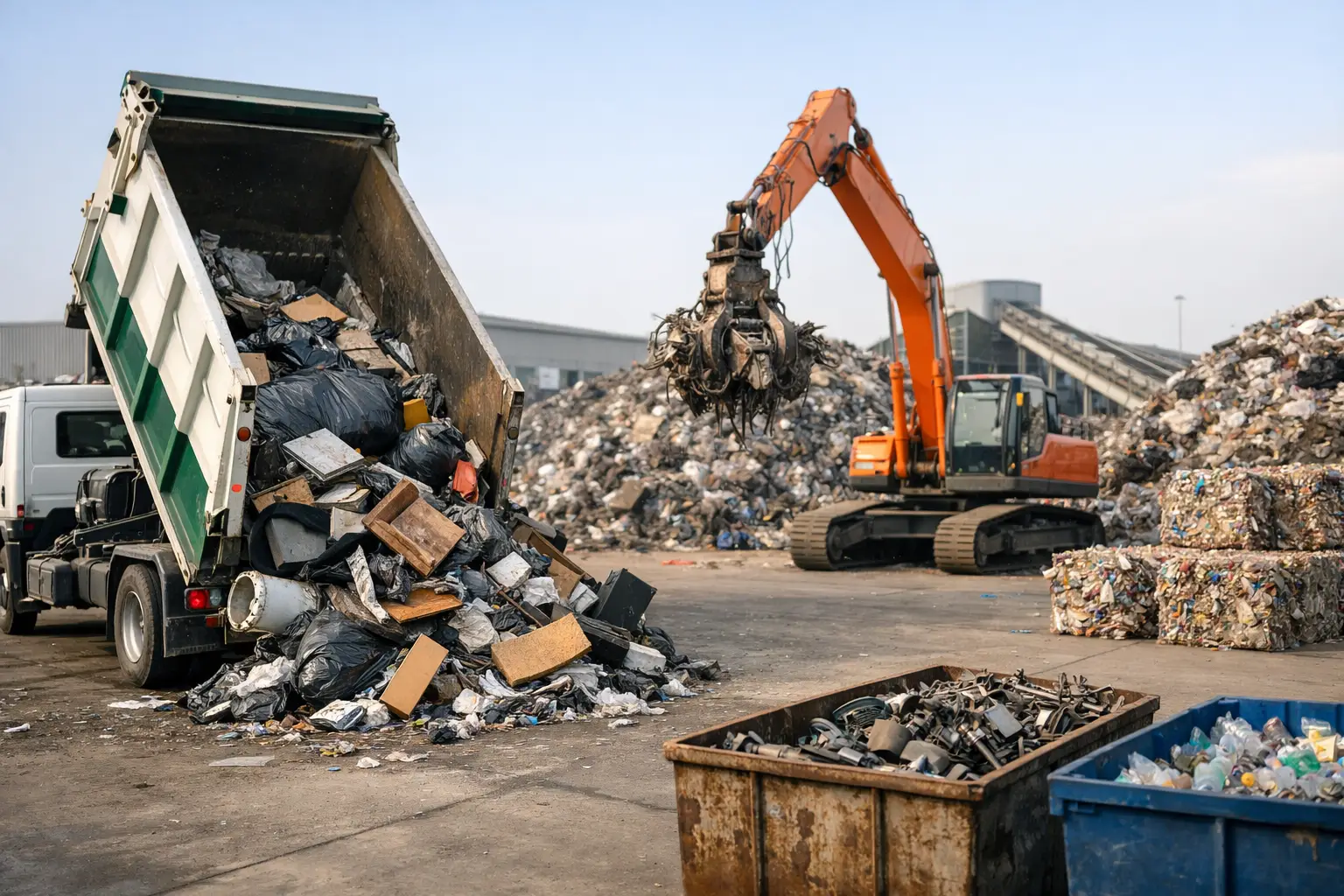
A full-service junk removal job generally follows a practical order: items that may be reusable are separated from materials that can be recycled, while true trash and non-recoverable debris are taken to an approved disposal facility. This is not a one-size-fits-all route. A clean dining table, for example, has very different potential than a water-damaged mattress or a box of mixed construction scraps.
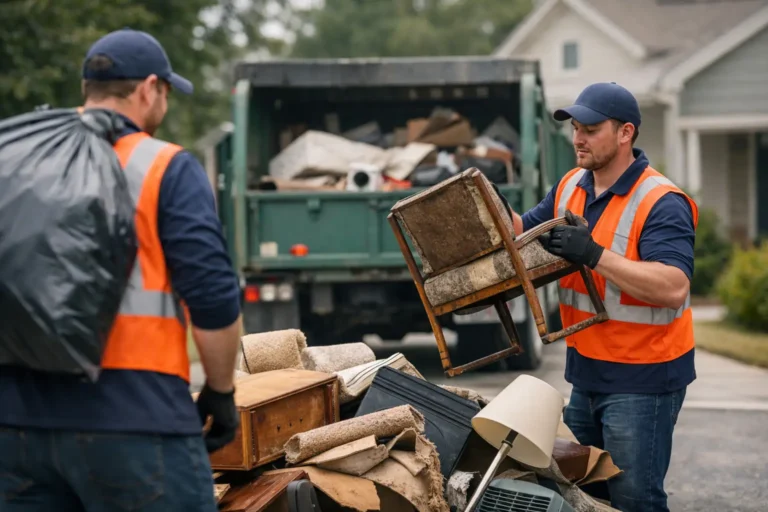
The process begins with the crew assessing the load. During an estate cleanout, office cleanout, move, or eviction cleanup, items may be grouped by material and condition as they are loaded. Furniture, appliances, electronics, metal, cardboard, wood, yard debris, and general household junk all have different disposal paths.
The goal is to keep as much material as practical out of the landfill without slowing down a time-sensitive job or sending unusable goods to organizations that cannot accept them. Responsible disposal is about making good decisions with the condition of the items in front of you, not making promises that every item can be donated or recycled.
Usable Items May Be Donated or Reused
If an item is clean, safe, complete, and in usable condition, it may be eligible for donation or reuse. This can include solid furniture, working appliances, household goods, office furniture, unopened supplies, and certain building materials. Donation outlets have their own standards, and they may decline items with stains, odors, damage, missing parts, recalls, or safety concerns.
That is why condition matters so much. A dresser with a few cosmetic scratches may still serve another household. A dresser with mold, severe water damage, or broken drawers is more likely to be disposed of. The same applies to couches, mattresses, desks, cabinets, and children’s items.
Reuse can also happen outside a formal donation setting. Salvageable lumber, doors, fixtures, shelving, and hardware from a light demolition or deconstruction project may have value when they are carefully removed and kept intact. Demolition is often faster, but deconstruction can make sense when materials are in good shape and the project schedule allows for more careful labor.
Recyclable Materials Are Sent for Recovery
Many bulky items contain materials that can be recovered instead of buried. Metal is one of the most common examples. Bed frames, filing cabinets, grills, exercise equipment, lawn tools, appliances, shelving, and scrap from construction projects can contain steel, aluminum, copper, or other metals that recycling facilities process.
Appliances require extra attention because they are made from several materials. A washer or dryer may be largely metal, while refrigerators, freezers, and air conditioners can contain refrigerants that require proper handling. Leaving appliances at the curb or trying to take them apart yourself can create safety and environmental issues. A hauling team can move the unit safely and route it through the appropriate disposal process.
Electronics are another category that should not be treated like ordinary trash. Computers, monitors, printers, televisions, phones, and office equipment may contain recoverable components as well as materials that should be handled through electronics recycling programs. For business cleanouts, it is also wise to remove or secure sensitive data before computers, hard drives, or storage devices leave the building.
Cardboard, clean paper, certain plastics, and yard waste may also be recoverable, depending on the local facility and the condition of the load. A clean stack of moving boxes is easier to recycle than cardboard soaked with paint, food waste, or rainwater. Mixed loads are common during cleanouts, which is why sorting and facility access make a real difference.
Some Junk Must Go to the Landfill
Landfill disposal is sometimes the appropriate and necessary outcome. Not every item can be donated, repaired, or recycled economically. Damaged upholstered furniture, saturated carpet, broken particleboard, heavily contaminated items, mixed trash, and many mattresses may have limited recovery options.
This does not mean a hauling company has failed to dispose of the load responsibly. It means the material has reached the end of its useful life. The responsible step is to transport it to an approved facility rather than leaving it at the curb, dumping it illegally, or trying to force unsuitable items into a donation stream.
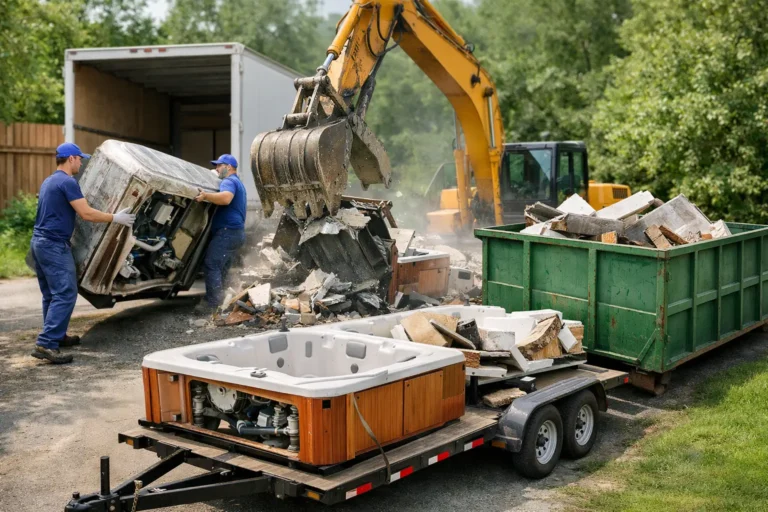
Landfill fees, transfer station fees, labor, fuel, sorting time, and disposal requirements are part of why junk removal pricing can vary from one job to another. A few bags of household clutter are very different from a trailer of roofing materials, a hot tub, a piano, or debris from a kitchen demolition. Upfront, on-site pricing helps account for the actual volume and material type before work begins.
Hazardous Materials Need a Different Plan
Some materials should not be placed in a standard junk removal load at all. Paint, solvents, fuel, pesticides, propane cylinders, automotive fluids, batteries, medical waste, and certain chemicals often require specialized collection or disposal programs. Rules vary by item and local facility.
If you are preparing for a garage, shed, basement, or commercial cleanout, point out anything questionable before the crew starts loading. This avoids delays and helps you get clear guidance on what can be hauled and what needs to go through a separate hazardous-waste channel.
For renovation debris, materials such as asbestos-containing products or suspected lead-based paint may require qualified testing and abatement before removal. Fast service should never mean bypassing safety requirements.
Why Professional Hauling Makes the Process Easier
The physical work is only one part of junk removal. Customers also need to know how to lift awkward items without damaging walls, navigate stairs, load a truck efficiently, secure the load, and find the right disposal destination. That can turn a simple garage cleanup into a weekend of rental trucks, facility lines, and multiple trips.
Local Loop Junk Troop handles the loading, hauling, and disposal logistics for Charlotte-area customers dealing with everything from single-item furniture removal to estate cleanouts, office clear-outs, yard debris, and light demolition debris. The crew can assess the job on site, provide clear pricing, and remove items from where they sit, whether that is an attic, garage, upstairs apartment, storage unit, or commercial space.
There are trade-offs. If your top priority is the fastest possible cleanout, the crew may need to move quickly through a mixed load. If you have valuable, sentimental, or clearly donatable items, set them aside and identify them before the appointment. That makes it easier to protect what you want to keep and give reusable goods the best chance of avoiding disposal.
Before your pickup, take a quick pass through the items you are leaving behind. Remove personal documents, medications, cash, keys, and anything with sentimental value. Then let the hauling team handle the lifting and the disposal path, so your newly cleared space feels like progress instead of another project on your list.