
A home can hold decades of furniture, photographs, holiday decorations, paperwork, and everyday items that slowly became part of the background. When it is time to move to a smaller home, condo, or senior living community, senior downsizing help is not simply about getting rid of things. It is about making thoughtful decisions without turning an already emotional transition into an exhausting project.
The best downsizing plan gives the senior control, protects what matters, and brings in practical support before the heavy lifting becomes a problem. Whether a move is months away or happening quickly, a clear process can reduce stress for the entire family.
Start Senior Downsizing Help Before Moving Week
Waiting until the final few days before a move creates pressure, rushed decisions, and unnecessary arguments. Start as early as possible, ideally several weeks or months before the move. Begin with areas that are used less often, such as a guest room, storage closet, attic, garage, or basement. That creates visible progress without disrupting daily routines.
It also helps to work in short sessions. A two-hour sorting session can be plenty, especially when someone has limited mobility, gets tired easily, or needs time to think through sentimental belongings. Downsizing is often more mentally demanding than physically demanding. A familiar chair may not fit in the next home, but choosing to let it go can still feel significant.
Families should avoid treating this as a cleanout they can complete in one weekend. The goal is not to empty the house as quickly as possible. The goal is to keep the right belongings, create a safe path forward, and handle the rest responsibly.
Decide What Fits the Next Home First
The easiest way to make decisions is to understand the new space before sorting the old one. Get a floor plan when possible, measure key rooms, and identify what furniture will realistically fit. A smaller living room may only accommodate one sofa, two chairs, and a side table. An assisted living apartment may have limited kitchen storage and no room for extra bedroom sets.
Measure large items such as beds, dressers, dining tables, recliners, and bookcases. Also consider doorways, elevators, stairs, and parking access at the destination. A beloved piece may fit in the room but not make it through the front door.
Focus first on the items that support daily life: medications, important records, comfortable clothing, favorite books, mobility equipment, family photos, and furniture that will be used regularly. Then evaluate duplicate kitchen items, unused exercise equipment, extra linens, old electronics, and furniture stored only because there was room for it.
A simple four-category system keeps decisions moving:
- Keep items that fit, function well, or carry real personal meaning.
- Give family members items they genuinely want and can take promptly.
- Donate usable belongings that can serve another household.
- Remove broken, outdated, unsafe, or unwanted items.
The key is to set reasonable deadlines. If relatives want an item, ask them to pick it up by a specific date. A garage or spare room can quickly fill with “maybe” items that delay the move.
Handle Sentimental Items With Respect
Sentimental belongings are often where downsizing slows down. That is normal. A box of childhood artwork, a collection of recipe cards, or furniture passed down through the family may bring back powerful memories.
Rather than asking, “Do you want to keep this?” try asking, “Where would this live in the new home?” If there is no realistic place for it, preserve the memory in another way. Take photos of meaningful objects, scan letters and documents, or choose a few representative pieces from a larger collection.
It can also help to designate a small memory box or keepsake bin for each family member. This gives treasured items a clear home while preventing every sentimental object from becoming a required move-day item. Not every memento needs to be kept for the story behind it to remain important.
If a senior is capable of making decisions, let them lead those decisions. Adult children may be tempted to take over when time is tight, but pressure can create regret and frustration. Support works best when it is patient, practical, and respectful.
Bring in the Right People for Each Part of the Job
Downsizing can involve several different needs: sorting, packing, donations, moving, cleaning, real estate preparation, and junk removal. One person does not need to manage every part alone.
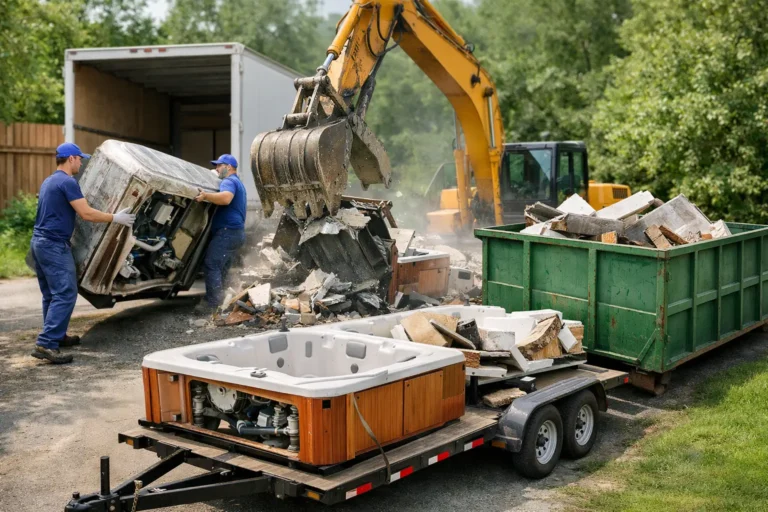
A family member may be the best person to review photos and heirlooms. A real estate professional can advise on preparing a home for sale. A moving company can transport belongings being kept. For large unwanted items, household clutter, old appliances, and leftover furniture, a full-service removal team can handle the loading, hauling, and proper disposal.
This matters because lifting heavy furniture, carrying boxes down stairs, or navigating a crowded garage can create real safety risks. Seniors should not feel they need to move a dresser, pull out an old refrigerator, or break down a shed on their own. A professional crew can clear bulky items efficiently while protecting floors, walls, and walkways.
Local Loop Junk Troop provides full-service hauling for Charlotte-area households that need help clearing furniture, appliances, garage clutter, estate items, yard waste, and other unwanted belongings. The team can provide an on-site quote, do the lifting, and prioritize donation or recycling when appropriate before disposal.
Make Donation and Disposal Part of the Plan
Many families want useful belongings to go somewhere better than a landfill. That is a worthwhile goal, but donation should be planned realistically. Donation organizations often have condition standards, space limits, and restrictions on certain items. Mattresses, damaged furniture, older electronics, opened chemicals, and heavily worn goods may not be accepted.
Set aside clean, usable items for donation as you sort. Avoid storing them for weeks while hoping someone will need them. If an item is not safe, functional, or in donation-ready condition, removal may be the more responsible choice.
Some belongings also require special handling. Paint, chemicals, batteries, propane tanks, medications, and certain electronics should not be mixed into ordinary household junk without checking local disposal requirements. A professional removal provider can explain what they can haul and identify items that need a separate disposal route.
Responsible disposal is not about making every item disappear instantly. It is about matching each category with the right destination: family, donation, recycling, resale, or proper disposal.
Plan for the Last 48 Hours
The final two days before a move should be about essentials, not last-minute sorting. Prepare one clearly labeled bag or box with medications, identification, legal documents, chargers, keys, glasses, toiletries, a change of clothes, and comfort items. Keep this with the senior, not in the moving truck.
Clear pathways throughout the house and remove loose rugs, boxes, and clutter that could cause a fall. Confirm who is handling the move, who is available for decision-making, and when unwanted items will be removed. If the home is being sold, a clean, open space is also easier to photograph, show, and prepare for closing.
It is wise to leave a little room in the schedule. A family member may need another day to collect belongings. A donation pickup may fall through. Weather or closing dates can change. Having a hauling plan in place prevents these small setbacks from becoming a major delay.
Downsizing Is a Transition, Not a Test
There is no prize for keeping the most items or getting rid of the most items. Successful downsizing means creating a home that is safer, easier to manage, and filled with the belongings that still support a good daily life.
Take the process one room, one category, and one decision at a time. With patient family support and dependable help for the heavy work, the next home can feel less like a loss of space and more like a place with room to live comfortably.