A backyard can look manageable until the brush is piled, the old fence is down, and the first trailer load is already full. Land clearing is not just about making a property look open. It is the work of preparing a usable, safer space by removing unwanted vegetation, debris, structures, and materials that stand in the way of the next project.
For homeowners, landlords, and property managers, the challenge is usually not deciding that an area needs attention. It is figuring out where the work begins, what can be removed safely, and how all that material will leave the property without creating a bigger mess. A clear plan keeps a cleanup, renovation, sale, or outdoor project moving without unnecessary delays.
Start With the Purpose of the Space
The right approach to land clearing depends on what comes next. Clearing a corner of a yard for a shed is different from preparing a lot for construction. A homeowner creating room for a patio may only need brush, old landscaping materials, and a small structure removed. A property manager dealing with an overgrown rental may need yard debris, abandoned furniture, fencing, and shed contents handled at the same time.
Before anyone starts cutting, tearing down, or loading up, identify the intended use of the area. Consider where equipment needs to enter, whether a fence or deck will remain, and whether you need to preserve mature trees, drainage paths, or garden beds. Marking what stays can be just as valuable as identifying what goes.
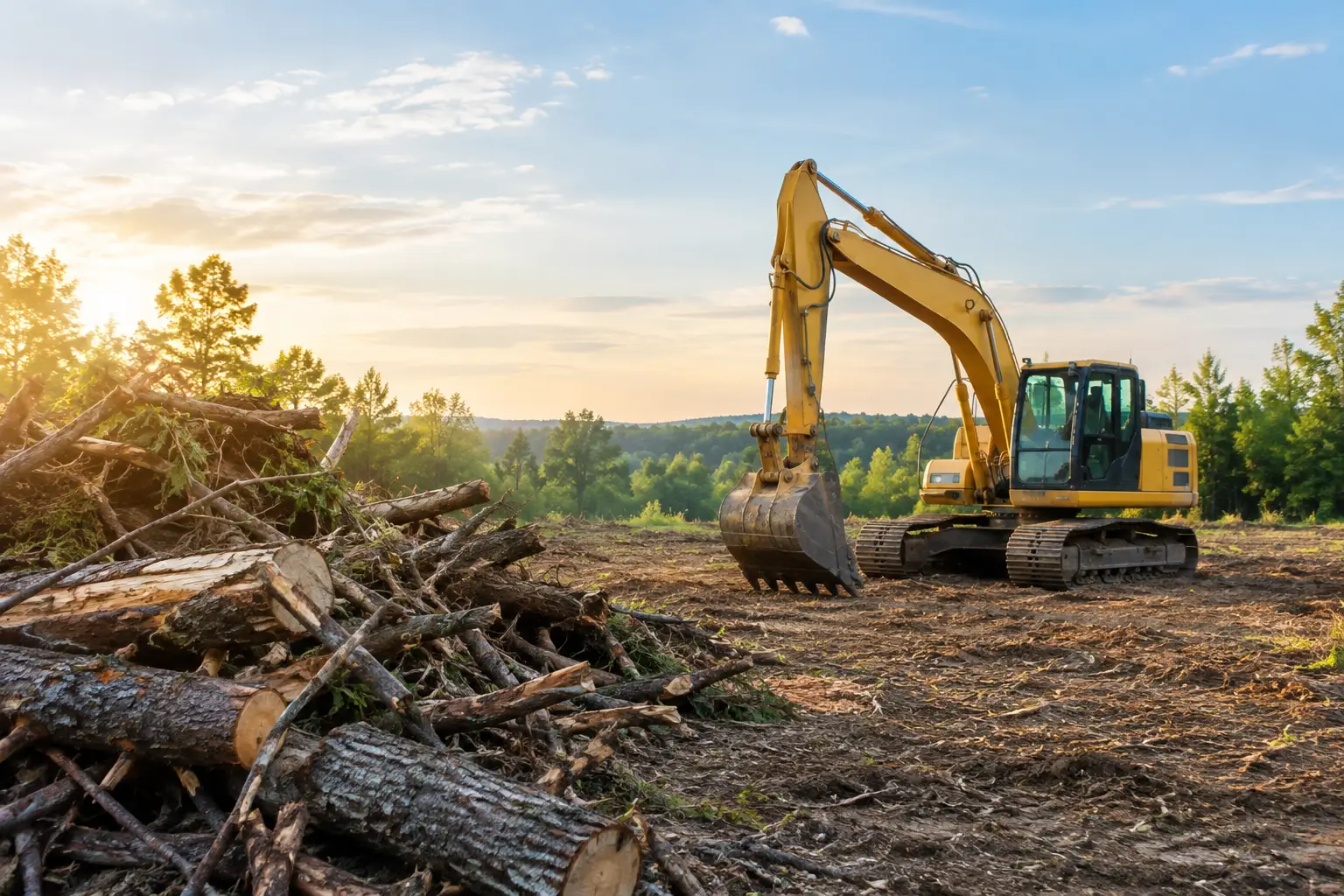
This early step also helps set a realistic scope. A pile of limbs near the curb is a hauling job. Dense brush, tree stumps, grading, or large tree removal may require specialized equipment or a licensed tree or excavation contractor. Knowing the difference prevents the common mistake of booking a crew for work that needs a different type of professional.
What Land Clearing Can Include
Land clearing can mean different things from one property to the next. In many residential and light commercial situations, it involves removing the accumulated materials that make a space hard to use, maintain, show, or renovate.
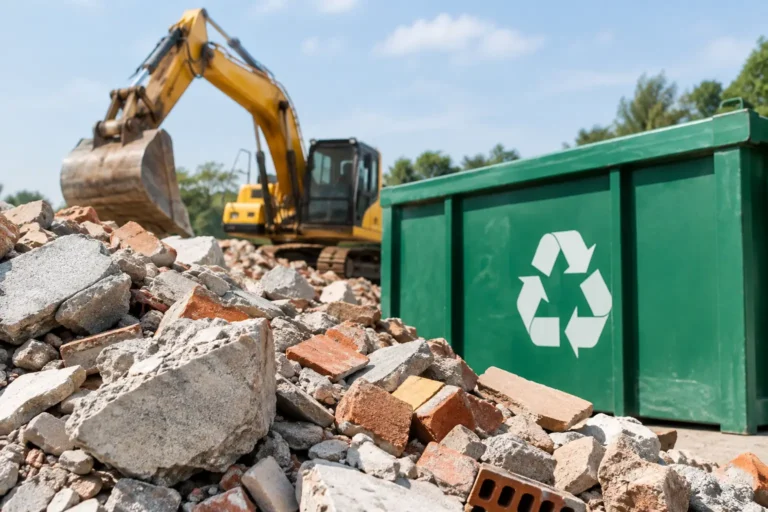
Common materials include fallen branches, bagged yard waste, brush piles, old lumber, landscape timbers, broken pavers, fencing, playground equipment, small sheds, and construction debris. It can also involve the items that tend to get left outdoors for too long: damaged patio furniture, grills, appliances, tires, old planters, or storage clutter.
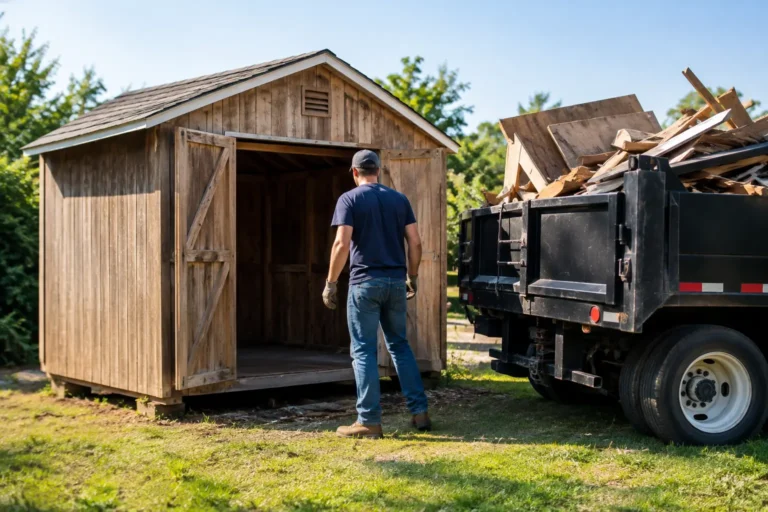
When demolition is part of the job, the sequence matters. For example, an aging shed may need to be emptied, disconnected where necessary, taken down carefully, and separated into manageable materials before hauling. A deck removal may uncover rotten wood, nails, concrete footings, and landscaping debris that all need attention before the ground is ready for its next use.
A full-service hauling crew can be especially helpful after the cutting, trimming, or demolition work is complete. Instead of spending several weekends loading a truck, finding a disposal site, and making repeat trips, you can have the debris assessed, loaded, and removed in one organized visit.
Check the Details Before Anything Is Removed
Property lines, utilities, local rules, and drainage are not exciting parts of a project, but they can be the parts that save you from an expensive correction later. If a clearing project involves digging, stump removal, significant tree work, or changes to the grade of the land, take time to verify what is below and around the work area.
Confirm your property boundaries before removing trees, fences, or shrubs near an edge of the lot. For rental and commercial properties, make sure the owner, tenant, or manager is clear on what is being removed. If a homeowners association is involved, review any requirements for trees, fencing, exterior structures, or debris placement.
Utility awareness matters too. Underground lines may be present where you least expect them, especially around older homes, outbuildings, and additions. Never assume a visible line tells the whole story. When digging or heavy equipment is involved, arrange for utility locations to be marked and follow the required process before work starts.
Water is another consideration. Removing vegetation can change how rain moves through a yard. In the Charlotte area, heavy storms can quickly expose drainage problems on a freshly cleared slope or low spot. Avoid piling debris where it blocks swales, drains, or access paths. If the work will affect grading or runoff, speak with the appropriate contractor or local authority before moving forward.
Separate Materials for a Cleaner, Faster Job
You do not need to sort every nail and leaf by hand, but separating major material types can make removal more efficient. Keep green waste apart from household junk when possible. Set aside recyclable metal, clean wood, cardboard, and usable items. This gives a hauling crew a clearer picture of the job and supports responsible disposal.
Items in usable condition do not always need to become trash. Furniture, tools, fixtures, and household goods may be appropriate for donation depending on their condition and local acceptance standards. Metal from appliances, fencing, or fixtures may be recyclable. The goal is not to promise that every item avoids the landfill. Some damaged, wet, contaminated, or unsafe materials cannot be donated or recycled. The goal is to make the best disposal decision for each load.
Hazardous materials should be handled separately. Paint, chemicals, propane tanks, fuel, certain batteries, and other regulated items may require a designated disposal process. Tell your removal provider about these materials before the appointment rather than hiding them in a pile. Clear communication helps protect the crew, the property, and the disposal process.
When DIY Clearing Stops Saving Money
Doing part of the work yourself can make sense when the area is small, the debris is light, and you have the right tools and time. Homeowners often handle basic trimming, weeding, or bagging on their own. The situation changes when the project includes bulky materials, multiple debris types, sharp demolition waste, steep terrain, or more volume than a pickup truck can reasonably carry.
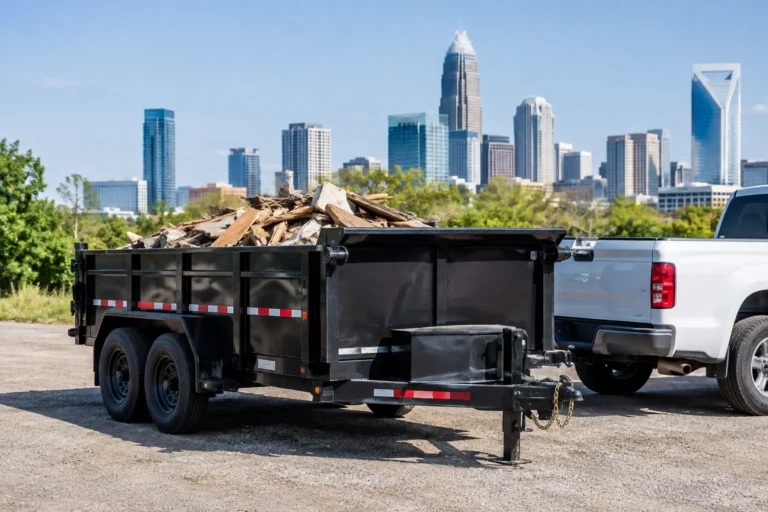
The real cost of DIY clearing is often hidden in the back-and-forth. You may need to rent a trailer, buy protective equipment, pay disposal fees, take several trips, and still find that a large item will not fit. There is also the risk of damaging a vehicle, overloading a trailer, or getting hurt while lifting awkward materials.
A professional hauling team is a practical option when labor and logistics are the problem. The crew can evaluate the volume on site, provide upfront pricing, do the heavy lifting, and leave the area swept up once the load is gone. For projects that involve a small shed, old deck materials, fencing, or a packed outdoor storage area, light demolition and debris removal can often be coordinated as part of the same job.
Keep Access Clear for the Removal Crew
A little preparation makes removal day smoother. If possible, move vehicles out of the driveway and unlock gates before the crew arrives. Keep pets indoors and point out any fragile landscaping, low-hanging wires, irrigation heads, or surfaces that need extra care. If there is a narrow path to a backyard, mention it during scheduling so the team can plan for the access.
You do not have to stage every item at the curb. One advantage of full-service removal is that the crew can collect materials from where they sit. Still, identifying what stays and what goes is essential, especially on properties with active storage areas, tenant belongings, or items that look similar to debris.
For time-sensitive cleanups, photos and a straightforward description can help establish expectations before the visit. On-site quotes remain valuable because volume, access, and material type can change the scope once the crew sees the property in person.
Clear the Ground Without Creating a New Problem
Good land clearing leaves a property more usable, not simply emptier. Once debris, unwanted structures, and outdoor clutter are removed, you can see the condition of the ground, fencing, drainage, and remaining landscaping. That visibility makes the next decision easier, whether you are listing the property, beginning a renovation, improving curb appeal, or finally making room for the project you have been putting off.
Local Loop Junk Troop helps Charlotte-area customers clear out the materials that pile up around outdoor projects, cleanouts, and light demolition work. The focus is simple: straightforward scheduling, an on-site quote, heavy lifting handled by the crew, and responsible disposal whenever possible.
A cleared space gives you options. Plan the work carefully, protect the parts of the property worth keeping, and get the debris out of the way so the next phase can start on solid ground.