A garage cleanout, office move, or appliance replacement can leave you with a pile of items that are too heavy, too awkward, or too numerous for curbside pickup. Junk recycling gives those items a better next step than simply sending everything to a landfill. But responsible disposal is not as simple as dropping every load at one facility. It takes sorting, local knowledge, and a clear plan for what can be donated, recycled, or disposed of safely.
For homeowners and businesses in the Charlotte area, that process matters. You may be clearing a relative’s home, preparing a rental for new tenants, remodeling a kitchen, or trying to get a warehouse floor back in use. The goal is usually the same: clear the space quickly without creating another problem down the road.
How junk recycling works after removal
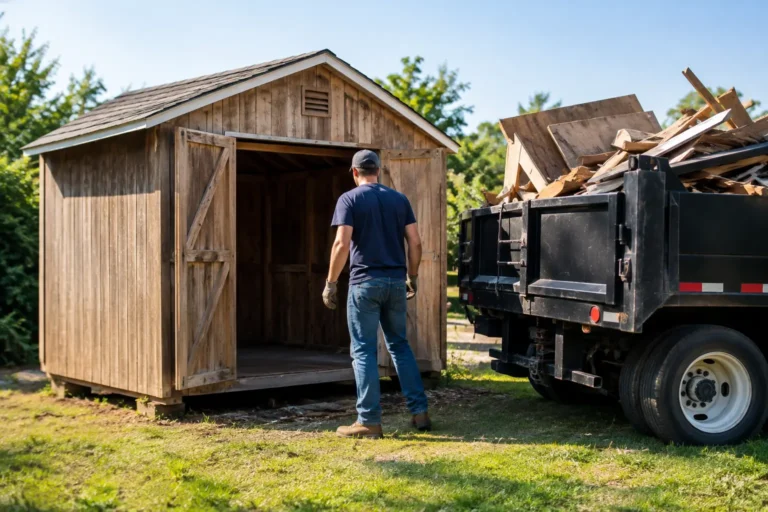
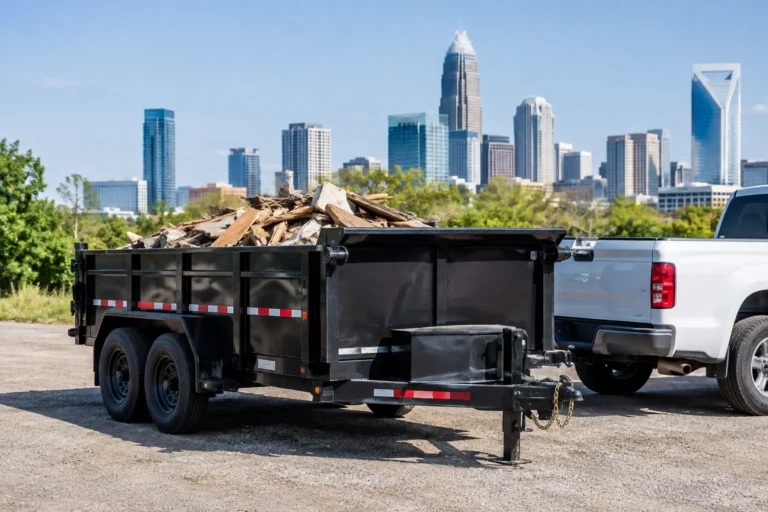
Full-service junk removal begins at your property, not at a recycling center. A trained crew assesses the items, provides an upfront quote, then handles the lifting, loading, and hauling. From there, the load is sorted based on condition, material, and local disposal requirements.
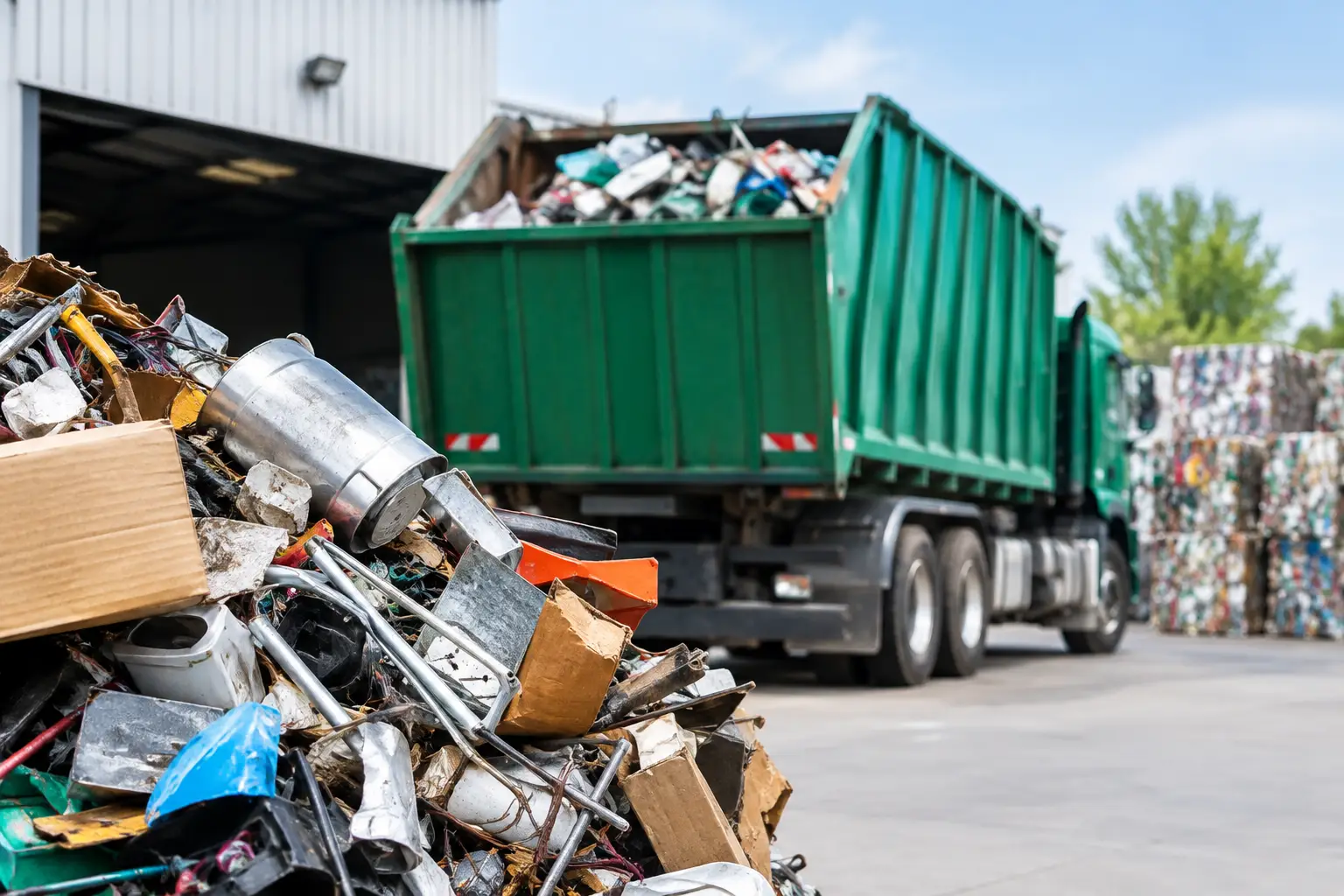
Items with usable life left may be set aside for donation when an appropriate receiving organization can accept them. Materials such as metal, cardboard, clean wood, certain plastics, and electronics may have recycling options. Items that are damaged beyond reuse, contaminated, hazardous, or not accepted by local facilities may need to go to a permitted disposal site.
That last part is worth being honest about: not every item is recyclable, and no responsible company should promise that every load avoids the landfill. A soaked sofa, broken particleboard furniture, mold-damaged belongings, and mixed construction debris can be difficult or impossible to recover. The practical goal is to reduce landfill waste wherever feasible while still completing your cleanup safely and on schedule.
What can often be recycled or donated?
The condition of an item matters as much as the item itself. A working dresser with minor wear may be useful to someone else. The same dresser, if swollen from water damage or infested with pests, is unlikely to be accepted for donation or recycling.
Common materials that may have a recycling or donation path include:
- Metal appliances, bed frames, shelving, grills, and exercise equipment
- Cardboard boxes, paper, packaging, and some office materials
- Electronics such as computers, monitors, printers, and televisions, when handled through appropriate channels
- Clean wood, lumber, pallets, and yard debris, depending on the local facility
- Usable furniture, household goods, clothing, and décor that meet donation standards
Appliances require particular care. Refrigerators, freezers, air conditioners, and dehumidifiers may contain refrigerants that need proper handling before the unit can be processed. Electronics should not be tossed in with general debris either. They can contain recoverable metals as well as components that require specialized recycling.
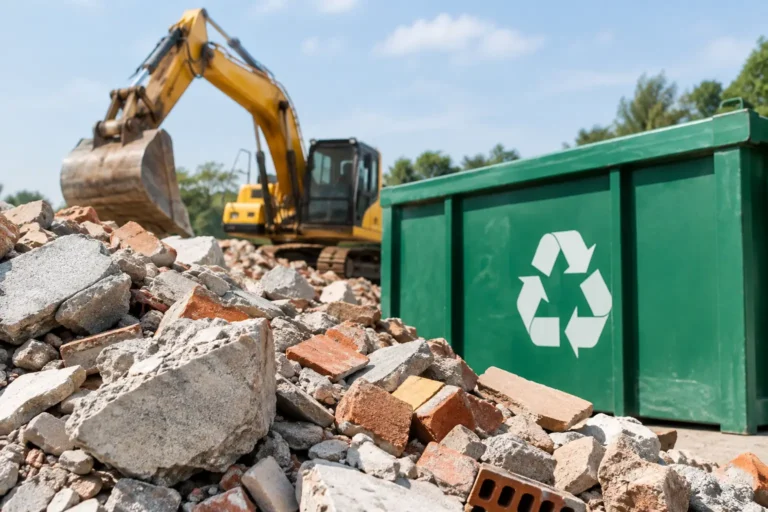
Construction and demolition debris is another category where sorting makes a difference. Concrete, brick, scrap metal, clean lumber, and cardboard may be recoverable when separated. When everything is mixed together in one container, recovery becomes harder and disposal costs can increase. For larger renovation projects, a hauling team can help keep debris moving so contractors and property owners are not left with a blocked driveway or unsafe work area.
Donation is not a catch-all solution
Donation is a meaningful part of responsible junk removal, but it has limits. Donation centers need items they can safely resell or distribute. They may decline mattresses, heavily worn upholstered furniture, recalled products, damaged appliances, old televisions, or items with strong odors.
It is also common for customers to assume that an item is donation-ready because it still has sentimental value. That feeling is understandable, especially during estate cleanouts or downsizing. Yet a donation decision must be based on present condition and whether the item can realistically serve another household.
A dependable hauling provider will not label unusable material as a donation just to make the job sound greener. Instead, they should identify the most responsible available route for each part of the load. That approach is more transparent and more helpful to the community.
Why professional sorting saves time and stress
DIY recycling can work well for a few boxes or a single item. It becomes much harder when you are dealing with a full attic, an eviction cleanout, a renovation, or a move-out deadline. You may need to identify multiple facilities, check accepted materials, borrow a truck, recruit help, and make several trips. Heavy items can also create real risks of injury or property damage.
Professional junk removal simplifies that work. The crew handles the labor, protects walls and floors while moving bulky pieces, loads the truck, and manages the disposal logistics after leaving your property. This is especially useful for landlords turning units between tenants, real estate agents preparing a listing, and families handling an estate from out of town.
Speed does not have to mean carelessness. Same-day or next-day service can be valuable when a closing date, inspection, or contractor schedule is approaching. The key is choosing a company that combines fast scheduling with clear pricing and a responsible disposal process.
Preparing for a recycling-focused pickup
You do not need to sort every item perfectly before a junk removal crew arrives. That is part of the service. A little preparation, however, can make the appointment faster and ensure important belongings do not leave by mistake.
Start by removing personal documents, medications, cash, keys, and family keepsakes from drawers, cabinets, desks, and storage bins. If you know certain items should stay, place them in a separate room or mark them clearly. For electronics, back up and erase personal data when possible before they are removed.
If you have an item you believe could be donated, let the crew know. They can consider its condition as part of the sorting process. If you have paint, chemicals, propane tanks, batteries, or other potentially hazardous materials, mention those during scheduling. These materials often have separate handling rules and may not be accepted with a standard junk load.
Access also affects efficiency. Clear a path through hallways and stairways, reserve elevator access when needed, and let the team know about gates, parking limits, or tight driveways. For commercial properties, share any loading dock requirements, site hours, and certificate-of-insurance needs before the job. A few details upfront can prevent delays on pickup day.
The local impact of responsible hauling
Junk recycling is not only about a single truckload. It helps reduce pressure on disposal sites, keeps reusable materials in circulation, and supports a cleaner property-to-property transition across the community. A donated table may help furnish a home. Recovered metal can become a new product. Recycled cardboard and clean debris can avoid taking up unnecessary landfill space.
There is also a practical benefit for property owners. A clean, cleared space is easier to inspect, repair, photograph, rent, sell, or use. Whether it is a packed garage in Matthews, a retail cleanout in Charlotte, or post-renovation debris in Rock Hill, organized removal helps the next step happen sooner.
Local Loop Junk Troop approaches each pickup with that balance in mind: move quickly, respect the property, give a clear on-site price, and look for donation and recycling opportunities before landfill disposal. The right destination depends on the items in the load, but customers should not have to solve every disposal question on their own.
When unwanted items are taking over a room, a yard, or an entire property, the most useful plan is often the simplest one: separate what must stay, explain any special items, and let a capable crew do the heavy lifting. You get your space back, and the materials that still have value have a better chance of being put to good use.