A move-out can go from routine to expensive fast when a unit is left with mattresses, broken furniture, bagged trash, or renovation debris. That is why junk hauling for property managers is less about convenience and more about protecting turn times, keeping properties presentable, and avoiding extra labor headaches for your team.
Property managers rarely deal with just one type of cleanout. One day it is a few bulky items left at the curb after a tenant turnover. The next, it is an entire garage full of abandoned belongings, a storage room cleanup, or debris left behind after maintenance work. In multifamily, single-family rentals, HOA communities, and commercial properties, the real challenge is not simply getting junk removed. It is getting it handled quickly, safely, and without creating more work for staff.
Why junk hauling for property managers matters
Every extra day a property sits cluttered is a day you may be losing time, rent, or leasing momentum. A delayed make-ready affects maintenance schedules, vendor coordination, showings, and resident satisfaction. If common areas or dumpster enclosures are overloaded, the issue can also become a curb appeal problem and, in some cases, a code or safety concern.
A professional hauling crew helps close that gap. Instead of asking maintenance technicians to stop what they are doing, lift heavy items, sort debris, and arrange disposal, you can hand off the labor and the hauling in one step. That matters when your staff is already balancing repairs, inspections, resident calls, and turnover deadlines.
There is also a liability angle. Sofas, appliances, broken shelving, and construction debris are not just messy. They can create trip hazards, block access, attract pests, or damage surfaces if handled carelessly. A full-service junk hauling team is there to assess, load, remove, and dispose of material with a cleaner process and less disruption to the property.
What property managers usually need removed
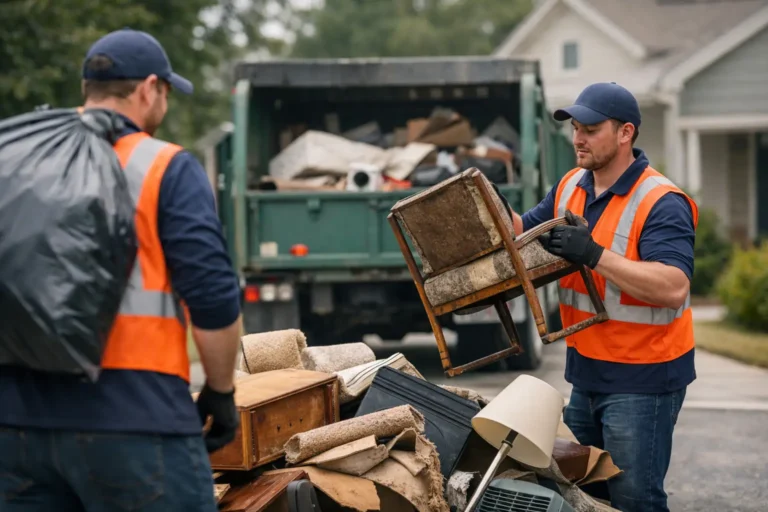
Most property management cleanouts are a mix of bulky items, bagged trash, and job-specific debris. Vacant units often include furniture, mattresses, box springs, dressers, and damaged household goods left behind after a move-out or eviction. In scattered-site rentals, there may be yard waste, fencing, shed contents, or garage clutter. At apartment communities, the issue is often overflow around dumpsters, abandoned items near breezeways, and storage room buildup.
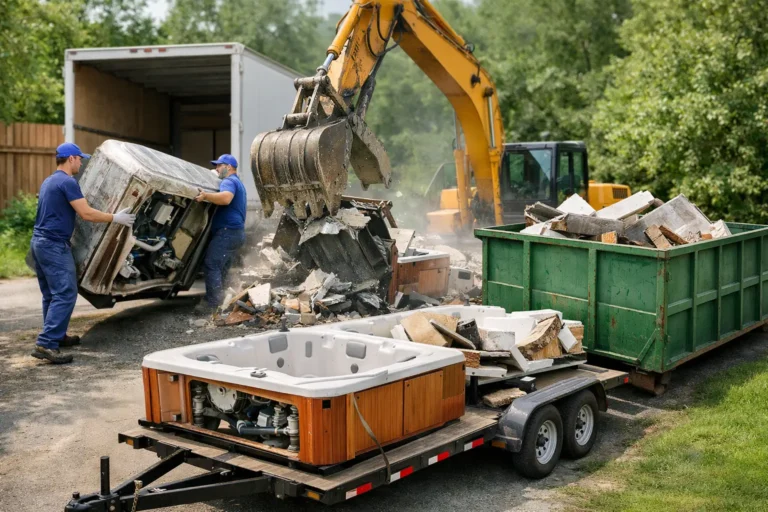
Then there is the maintenance and renovation side. After unit upgrades, you may need old vanities, cabinets, countertops, flooring, doors, toilets, or drywall hauled away. Office and mixed-use properties bring another category entirely, including desks, cubicles, shelving, electronics, and general cleanout material after a tenant leaves.
The best hauling service for property managers is one that does not force you to sort every project into narrow categories. If a crew can handle furniture removal, appliance hauling, construction debris, yard waste, and light demolition-related cleanup, it becomes much easier to solve the problem with one call instead of several vendors.
Speed matters, but so does process
Fast response is important in property management, especially when you are trying to turn a unit or clear a violation issue before it escalates. Same-day or next-day availability can make a real difference. But speed without a clear process can still create problems.
A dependable hauling company should be easy to schedule, clear about arrival windows, and able to provide an on-site quote before work begins. That upfront pricing matters when you are managing budgets, owner expectations, or approvals across multiple properties. Surprises on the invoice do not help anyone.
The removal process should also be orderly. Crews should be able to move through occupied or recently vacated properties without unnecessary mess, wall damage, or confusion about what stays and what goes. In property management, details matter. You need a team that can follow direction, work around gates or access codes, and finish the job without making your staff supervise every step.
When a full-service crew beats in-house labor
Some property managers try to handle junk with maintenance teams, especially for smaller pickups. Sometimes that makes sense. If the job is a couple of boxes and a small chair, your team may be able to manage it.
But once the project includes heavy lifting, multiple rooms, stairs, tight hallways, exterior cleanup, or disposal logistics, in-house labor gets expensive fast. Maintenance staff pulled into hauling are not doing repairs, punch lists, or preventive work. Truck rental, dump fees, labor time, and risk of injury can add up quickly, even when the job looks simple at first.
A full-service hauling crew is usually the better fit when speed, labor, and proper disposal all matter at once. That is especially true for eviction cleanouts, estate-related property transitions, hoarder conditions, post-renovation debris, and large-item removal. Those are the jobs that tend to expand once someone is on site. A provider that can assess the load in person and handle the entire removal is often the most practical option.
Responsible disposal is not a minor detail
Property managers are under more pressure than ever to work with vendors who operate responsibly. Owners, residents, and community boards notice how waste is handled. Sending everything straight to the landfill may be fast, but it is not always the best outcome.
A hauling partner that prioritizes donation and recycling when possible gives you a stronger answer when people ask where the material goes. That does not mean every item can be saved. Damaged, unsanitary, or unsafe material often has to be disposed of. But usable furniture, appliances, and certain materials may be diverted when conditions allow.
That approach matters for reputation, but it also reflects good operational judgment. Responsible disposal shows that the vendor is thinking beyond pickup and treating the job with professionalism. For many property managers, that is the difference between a basic labor crew and a true service partner.
Choosing a junk hauling partner for managed properties
Not every junk removal company is set up for property management work. Residential-only providers may not be comfortable with recurring service, access coordination, after-move-out timelines, or the variety of debris found across different asset types.
Look for a company that understands turnover pressure and communicates clearly. You want straightforward scheduling, a crew that shows up ready to work, and pricing that is explained before hauling starts. It also helps when the company can handle more than one category of removal. If they can clear a unit, remove old appliances, haul renovation debris, and help with light demolition cleanup, you simplify your vendor list.
Local experience matters too. A Charlotte-area team that knows the pace of local property operations can often respond faster and work more efficiently than a provider stretched across too wide a territory. Local Loop Junk Troop fits that need by offering full-service hauling, cleanouts, and light demolition support with upfront pricing and a strong focus on respectful service.
A better way to handle recurring property cleanouts
For many property managers, the goal is not finding help for one bad cleanup. It is building a repeatable process for all the smaller and larger messes that come with managed properties. That could mean having a reliable hauling company ready for monthly bulk item pickups, emergency turn support, or debris removal after capital improvement work.
The right setup reduces friction across your operation. Leasing gets units shown sooner. Maintenance stays focused on repairs. Residents see cleaner common areas. Owners get faster progress on vacancy and cleanup issues. You spend less time chasing labor and more time moving properties forward.
It also creates consistency. When you know the crew will show up, quote fairly, load everything, and leave the area clean, junk removal stops being a scramble. It becomes one more operational task handled the right way.
Property management already has enough moving parts. When unwanted items, abandoned furniture, or cleanup debris start slowing down your team, the best next step is simple: use a hauling partner that can take the job off your plate and get the space ready for what comes next.