
A couch that no longer fits your space, a dining set left after a move, or a bedroom full of furniture during an estate cleanout can feel like a major problem. Learning how to donate unwanted furniture can keep useful items in circulation, help local organizations, and clear your home without adding another heavy-lifting project to your week.
Donation works best when the furniture is genuinely usable and you have a realistic plan for getting it to the right place. A little preparation can prevent a rejected pickup, a last-minute scramble, or an item sitting in the garage longer than intended.
Start by Deciding Whether the Furniture Is Donation-Ready
The simplest rule is this: donate items someone else could reasonably put in their home or use at work without needing a repair crew. Furniture does not need to be brand-new, but it should be clean, stable, and functional.
Inspect upholstered pieces closely. Sofas, recliners, chairs, and mattresses with stains, rips, strong odors, pet damage, mold, pests, or sagging frames are often not accepted by donation organizations. The same goes for furniture affected by smoke or water damage. Even when an item looks acceptable from across the room, a charity may turn it down if it cannot be safely resold or given away.
For wood and metal furniture, check that drawers open, legs are secure, doors close, and hardware is present. Minor scuffs may be fine. A dresser with a broken frame, missing drawers, or sharp exposed pieces is usually better suited for recycling, disposal, or removal rather than donation.
It also helps to be honest about the item’s age and condition. A large entertainment center from two decades ago may be perfectly solid, but it can be difficult for organizations to place because many homes no longer need one. Donation acceptance depends on demand, storage space, and the recipient’s current needs.
Clean and Prepare Each Item Before You Call
Donation centers and nonprofit pickup services generally expect furniture to be clean and ready for its next owner. Vacuum upholstery, wipe down hard surfaces, remove personal belongings from drawers, and secure loose parts. If you are donating a table, bed frame, or desk that has been disassembled, place bolts, brackets, and instructions in a labeled bag taped to the item.
Take clear photos after cleaning. Photos make it easier to ask whether an organization can accept the piece before you haul it across town or schedule a pickup. Include close-ups of any damage instead of hoping it will go unnoticed. Being upfront saves time for everyone.
Avoid leaving furniture outside while waiting for pickup. Rain, humidity, and overnight moisture can quickly turn a donation-worthy item into something that cannot be accepted. In the Charlotte area, summer heat and sudden storms can do real damage to upholstery and particleboard furniture in a single day.
Check for Safety Issues First
Some furniture should not be donated without extra caution. Cribs, playpens, baby furniture, and older items with recalled hardware may have current safety requirements that affect whether they can be accepted. If you are unsure, verify that the item is complete, stable, and not subject to a safety recall.
Large furniture can also create a moving hazard. Do not try to force a heavy sectional down stairs, tip a tall armoire through a narrow doorway, or lift a solid-wood dresser alone. Donation is a good outcome, but it is not worth a damaged wall, injured back, or broken handrail.
Find the Right Place to Donate Furniture
Not every donation organization accepts every type of furniture. Some focus on clothing and small household goods. Others accept larger items but only through scheduled pickups. Before loading anything, contact the organization and describe the furniture, its condition, dimensions, and your location.
Local thrift stores, furniture banks, faith-based charities, community outreach groups, and housing-focused nonprofits may all have different needs. A furniture bank may be especially interested in basic household pieces such as beds, dressers, tables, chairs, and sofas that can help families furnish a new home. A resale store may be more selective, accepting pieces it believes it can sell to support its programs.
If a nonprofit cannot accept your item, that does not always mean it has no value. Community groups, neighborhood networks, schools, shelters, and local reuse programs may have a use for specific pieces. A sturdy desk, for example, may be more useful to a student or small office than to a thrift store with limited floor space.
When you call, ask three practical questions: Do you accept this item in its current condition? Do you offer pickup in my area? Is there anything I need to do before the crew arrives? Those answers will tell you whether donation is truly the easiest route.
Choose Pickup, Drop-Off, or Full-Service Removal
The best donation method depends on the furniture, your timeline, and how much labor you can handle. If you have a pickup truck, help available, and an organization nearby that confirmed acceptance, drop-off can be straightforward. Measure first, protect the furniture during transport, and confirm the donation center’s receiving hours before leaving home.
Pickup can be more convenient for large items, especially when you are downsizing, preparing a property for sale, or coordinating an estate cleanout. Keep in mind that many charities schedule pickups days or weeks in advance, and their crews may decline items at the door if the condition differs from what was described.
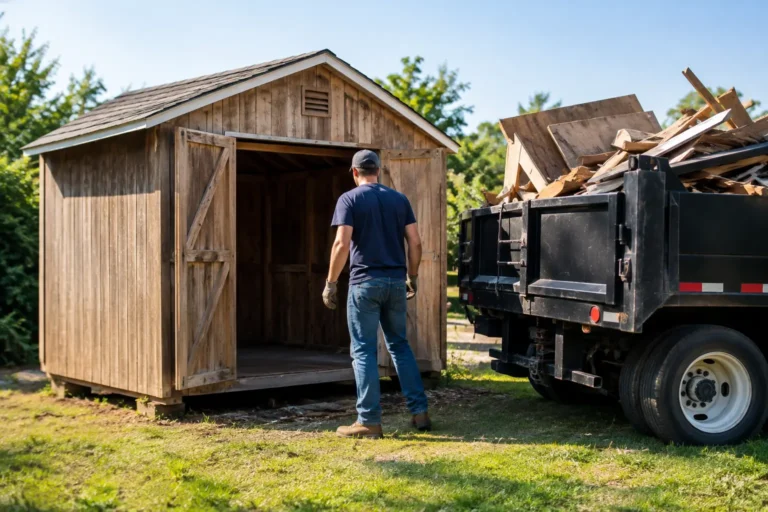
For time-sensitive cleanouts, a full-service junk removal team can be the practical option. This is especially useful when you have a mix of donatable furniture, damaged pieces, appliances, boxes, and other unwanted items. Rather than separating, carrying, and transporting everything yourself, a trained crew can assess the load, handle the lifting, and prioritize donation and recycling where appropriate.
Local Loop Junk Troop helps Charlotte-area homeowners, landlords, and businesses clear bulky furniture without the stress of hauling it themselves. For a move-out, renovation, office cleanout, or family transition, having a team manage the labor can keep the project moving while giving reusable items the best possible path beyond the landfill.
Understand What Donation Services May Decline
A rejected donation is frustrating, but it is usually about safety, storage, or resale demand rather than the organization being difficult. Most groups have limited warehouse space and must spend their resources on items they can distribute quickly.
Commonly declined furniture includes heavily worn mattresses, damaged upholstered items, broken particleboard pieces, outdated oversized armoires, wet furniture, and anything with signs of insects. Some organizations may also decline large desks, sleeper sofas, or entertainment centers because they are difficult to move and hard to place.
Do not leave declined furniture at a donation site after hours. This can block access, create a safety issue, and leave the organization responsible for disposal costs. If the item is not accepted, choose another responsible option: recycling where available, arranging a bulk pickup, listing it for free if it is still usable, or hiring a removal service for proper disposal.
Make Donation Part of Your Cleanout Plan
Donation is easiest when it happens before the last day of a move, renovation, or property turnover. Start sorting early and make three categories: items to keep, items that are ready to donate, and items that need recycling or disposal. This prevents good furniture from being damaged in a rushed cleanup and helps you see the full scope of the job.
For estates, assisted living transitions, rental turnovers, and office moves, assign one person to make final decisions about each item. Too many opinions can slow down a cleanout quickly. Photograph sentimental pieces, set aside important documents, and do a final drawer-by-drawer check before anything leaves the property.
A successful furniture donation does more than free up floor space. It gives a usable item another purpose while keeping your cleanup organized, safe, and manageable. If the furniture is clean, functional, and wanted, get it moving before it becomes one more thing standing in the way of your next step.