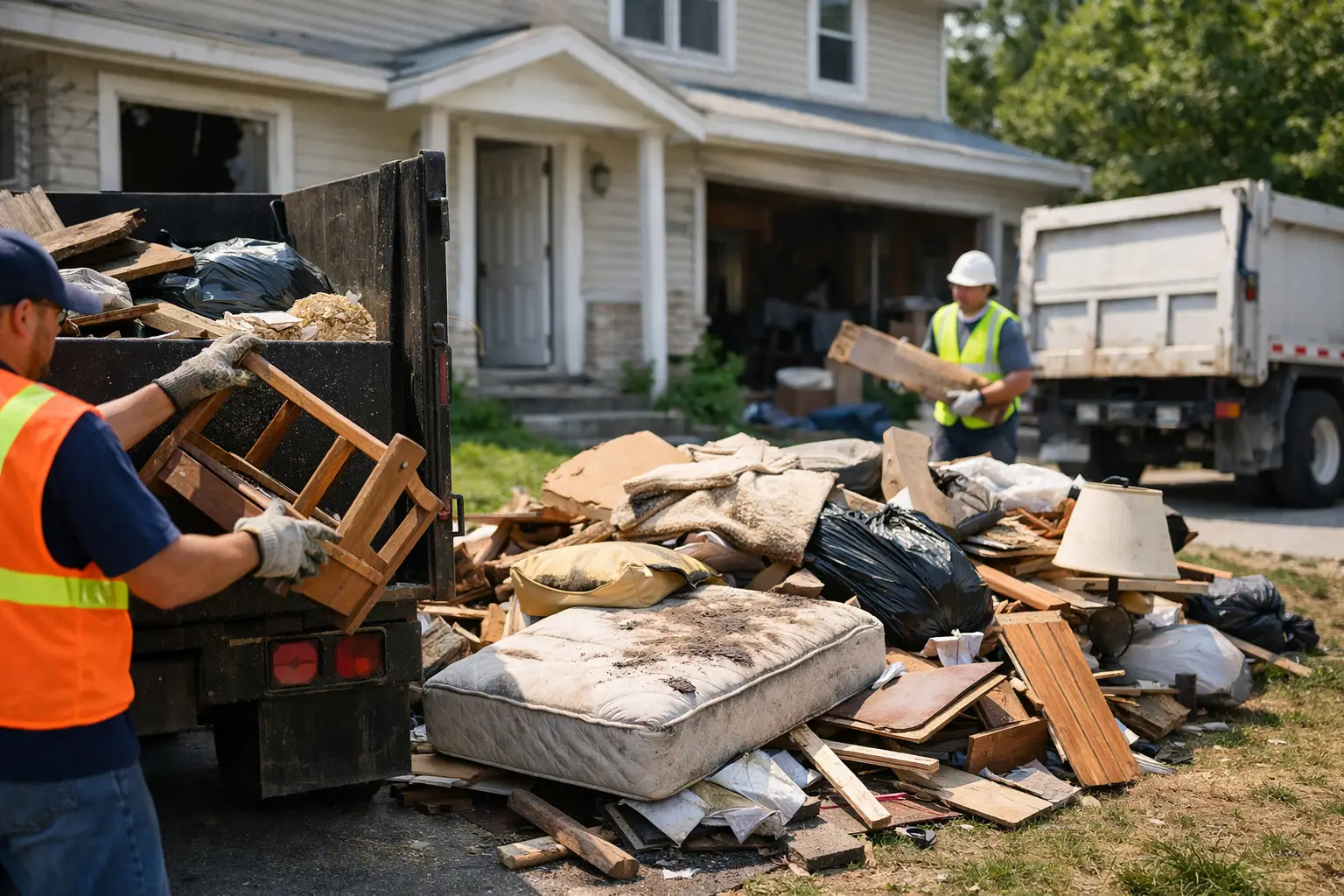
A foreclosed property can look deceptively simple from the curb: a few bags by the garage, furniture in the living room, and an overgrown yard. Once the door opens, the job may include abandoned appliances, spoiled food, personal belongings, damaged flooring, garage clutter, and debris left behind after attempted repairs. Knowing how to clear foreclosure debris starts with treating the property as a coordinated cleanup, not a basic junk pickup.
The goal is to make the home safe, accessible, and ready for its next step – whether that is an inspection, renovation, listing, rental turnover, or sale. A clear plan protects the property, keeps the work moving, and prevents useful materials from being mixed in with landfill-bound trash.
Start With Authority, Access, and a Walkthrough
Before anything is loaded or thrown away, confirm that the party ordering the cleanout has legal authority to remove contents. This is especially relevant when a lender, bank representative, attorney, property manager, or real estate professional is involved. Personal property can create legal and financial issues if it is removed before the required holding period or documentation process is complete.
Once clearance is confirmed, walk through the property room by room. Take photos and make notes before moving anything. Document visible damage, items that appear valuable, signs of water intrusion, and areas that may need special handling. This record can help a property manager communicate with an owner, vendor, insurer, or renovation crew later.
Do not overlook detached structures. Sheds, garages, crawl spaces, attics, and backyard storage areas often hold the heaviest and most time-consuming items. A quick walkthrough also reveals access concerns, such as blocked driveways, steep stairs, weak decking, broken glass, standing water, or a locked gate.
How to Clear Foreclosure Debris in the Right Order
The fastest cleanouts are organized in a practical sequence. Start with hazards and access, then work toward general debris and final detailing. Clearing random rooms one at a time can lead to extra labor, blocked pathways, and piles that need to be moved twice.
First, make the property safe enough for people to work inside. Remove loose trash from walkways, clear entry points, and identify hazards that require a different type of service. This may include sharps, biohazard materials, chemicals, propane tanks, paint, fuel, animal waste, mold-damaged materials, or suspected asbestos-containing products. These items should not be tossed into a standard junk load.
Next, separate contents into three practical groups: items to retain or document, items that may be donated or recycled, and items that need disposal. In many foreclosure cleanouts, furniture, clothing, household goods, and usable fixtures may still have a second life. Appliances, metal shelving, electronics, cardboard, and scrap metal can also have recycling options depending on their condition and local handling requirements.
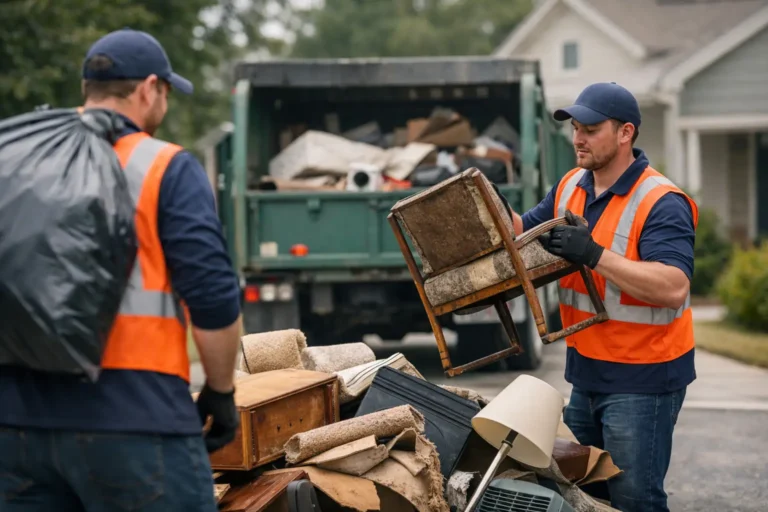
Then remove bulky items before tackling smaller debris. Old sofas, mattresses, refrigerators, broken cabinets, exercise equipment, and heavy boxes take up valuable working space. Once the large pieces are gone, it is easier to sweep out closets, clear cabinets, and gather bagged debris without working around obstacles.
Know What a Standard Junk Crew Can Handle
Full-service junk removal is a strong fit for most non-hazardous foreclosure debris. A trained crew can do the lifting, loading, hauling, and sorting for common contents, which is especially helpful when a property must be turned quickly and there is no time to coordinate multiple pickup trips.
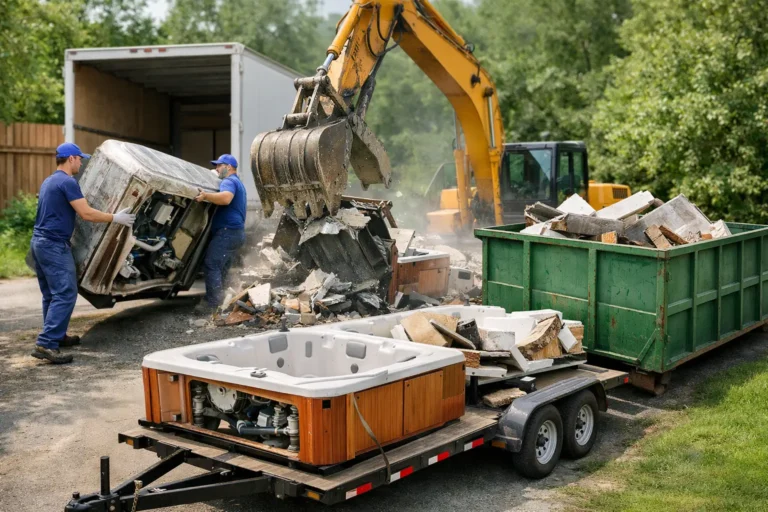
Typical items include furniture, mattresses, box springs, household trash, clothing, bagged clutter, small household items, electronics, televisions, appliances, old cabinets, carpet, construction debris, yard waste, and garage contents. Crews can also remove bulky specialty items such as hot tubs, pianos, sheds, playsets, and unwanted outdoor equipment when the scope is identified in advance.
Light demolition may be useful when damaged materials cannot be removed whole. Broken shelving, rotten deck boards, worn carpet, interior cabinets, detached fencing, or a deteriorated shed may need to be dismantled before hauling. This is different from simply removing junk, so it helps to describe the condition of the property clearly when requesting an estimate.
Some materials require separate arrangements. Paint, solvents, automotive fluids, gasoline, propane, medical waste, needles, and other hazardous items are not standard curbside trash or routine junk removal. If you find these materials, keep them isolated, do not combine containers, and arrange proper disposal through the appropriate local channel.
Protect the Property During the Cleanout
A foreclosure cleanup should improve the property, not leave fresh damage behind. Protect flooring when moving appliances and furniture, especially in homes with hardwood, tile, or newly installed surfaces. Use a clear path to the door, avoid dragging heavy items across finished floors, and watch door frames, stair rails, and walls during removal.
Refrigerators and freezers deserve special attention. If power has been off, spoiled contents can create strong odors and liquid leaks. Keep doors secured during transport, use proper lifting equipment, and clean the area beneath the appliance once it is removed. If a refrigerator has been tipped or stored improperly, professional handling is often the safer choice.
Outdoor debris should be addressed early if it affects access or curb appeal. Fallen limbs, old fencing, bags of trash, abandoned patio furniture, and overgrown brush can make a property look neglected before a potential buyer ever steps inside. Removing this material also gives contractors, inspectors, and landscapers safer access to the home.
Build a Scope That Matches the Deadline
Foreclosure timelines vary. A real estate agent may need a home cleared before photos are taken, while a property manager may need same-day removal between an eviction and a renovation. The right approach depends on the size of the property, volume of material, access conditions, and whether items must be inventoried first.
For a small condo or townhouse, one organized hauling visit may be enough. A larger house with a packed garage, attic, shed, and yard may need a full cleanout plan, multiple truck loads, or demolition work before the site is ready. Being honest about the scope up front helps avoid delays and makes pricing more accurate.
When requesting service, share the property type, the rooms or areas involved, and any large or unusual items. Mention stairs, elevators, narrow driveways, gated access, detached buildings, water damage, or debris that has been sitting outside. Photos can help a removal team prepare the right labor, truck space, and equipment.
Upfront, on-site pricing is particularly useful for foreclosure work because volume can be difficult to judge from a few photos. A professional crew should assess what is actually present, explain the scope, and provide a clear price before loading begins. That gives property representatives a chance to approve the work without guessing at final costs.
Finish With a Turnover-Ready Check
Hauling away debris is a major step, but it is not the final check. Walk the property again after removal to make sure closets, cabinets, attic areas, crawl spaces, and exterior structures have not been missed. Look for loose nails, broken glass, damaged blinds, leftover food, old mail, and small bags tucked behind doors.
A cleanout also creates a better view of the home’s real condition. Once clutter is gone, it becomes easier to spot drywall damage, plumbing leaks, pest activity, worn flooring, missing fixtures, or repairs that should be completed before listing. This can save time by allowing the next crew to begin without sorting through abandoned contents first.
For Charlotte-area foreclosure properties, Local Loop Junk Troop can provide labor-inclusive cleanouts, bulky-item hauling, yard debris removal, and light demolition support with a clean, orderly process. Usable items can be considered for donation or recycling when possible, helping reduce unnecessary landfill waste while the property moves toward its next chapter.
The best time to schedule debris removal is before clutter becomes the reason a repair, inspection, or sale date slips. With the right documentation, a clear scope, and a capable hauling crew, a difficult property can start looking manageable again within a single visit.