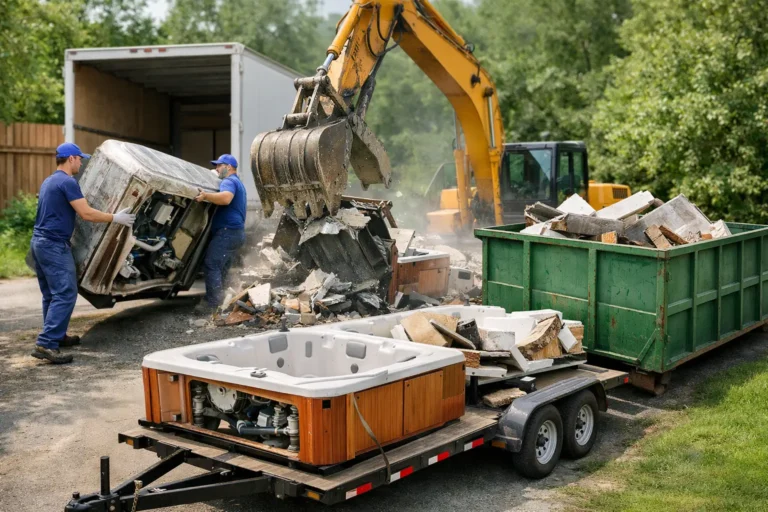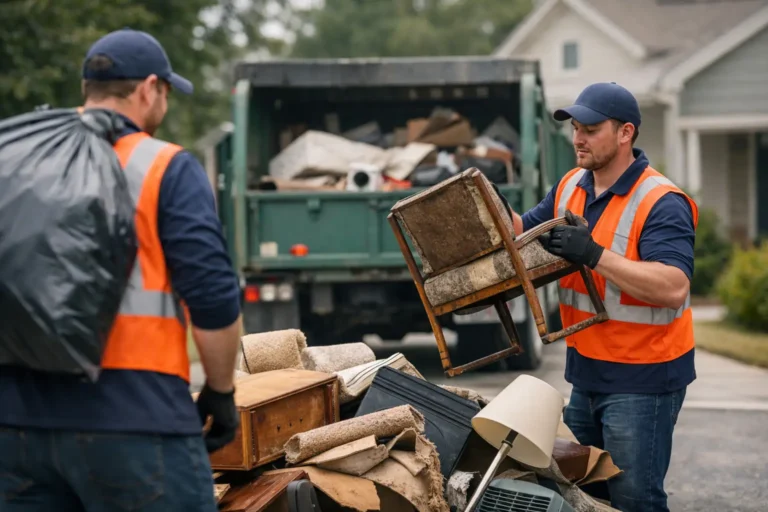

A broken conference table, outdated cubicles, stacks of damaged inventory, and construction debris can turn useful square footage into a daily problem. Commercial junk hauling gives Charlotte-area businesses a practical way to clear that space without assigning employees to lift, sort, rent trucks, or figure out where everything can legally go.
For offices, retail stores, restaurants, warehouses, property managers, and contractors, the right hauling crew does more than remove unwanted items. They help keep a move, renovation, turnover, or cleanup from disrupting the work that still needs to get done.
When Commercial Junk Hauling Makes Sense
Most commercial cleanouts are not planned months in advance. A tenant moves out earlier than expected. A retail fixture breaks before a remodel. A restaurant replaces old equipment. A warehouse needs to open an aisle for incoming inventory. In those situations, leaving bulky items on-site can create safety issues, block access, and make a business look unprepared.
Commercial hauling is useful whenever the job involves heavy items, a large volume of material, disposal rules, or a tight deadline. It is especially helpful when employees should not be spending their workday moving desks, hauling boxes downstairs, or loading debris into personal vehicles.
A full-service crew handles the labor from start to finish. That means assessing the material, giving an on-site quote, loading the items, sweeping up the work area, and transporting everything for proper disposal. The goal is simple: your team points out what needs to go, and the space is ready for its next use.
Common Business Items We Remove
Commercial properties accumulate more than just old office furniture. Depending on the business and project, a hauling team may remove desks, chairs, cubicles, filing cabinets, shelving, display racks, broken pallets, cardboard, old signage, fixtures, appliances, electronics, and general clutter.
During a renovation or turnover, the load may include drywall, lumber, carpet, tile, cabinets, countertops, insulation, or demolition debris. Property managers may need abandoned tenant belongings removed from an office suite, retail bay, storage room, or common area. Restaurants and hospitality properties may need outdated tables, booths, prep equipment, or back-of-house clutter cleared out before new equipment arrives.
Not every item belongs in the same disposal stream. That is one reason professional hauling matters. Usable furniture and materials may be candidates for donation, recyclable materials can be separated when possible, and the remaining waste is handled through the appropriate disposal channels.
The Real Cost of Waiting to Clear a Space
Junk is rarely just an appearance problem. In a workplace, it can take up rentable space, block walkways, limit storage capacity, and delay contractors. In a retail setting, it can interfere with merchandising or a reopening schedule. At a rental property, it can hold up maintenance, cleaning, showings, and the next lease.
There is also a labor cost. Asking staff to handle a cleanout can pull them away from customers and core responsibilities. It can also create a risk of injury when heavy desks, appliances, shelving, or debris are involved. A truck rental may sound like a cheaper option, but the final cost can grow after fuel, dump fees, multiple trips, labor time, and disposal logistics are added.
For a small pile of lightweight boxes, an in-house cleanup may be reasonable. For bulky furniture, mixed debris, or a whole suite cleanout, professional commercial junk hauling is usually the faster and more predictable choice.
What a Well-Run Commercial Removal Looks Like
A dependable hauling process should be clear before the crew starts loading. You should know what is included, how pricing is determined, and whether there are any items that require special handling.
Start With the Scope and Access Details
When scheduling, share the type of material being removed, the approximate volume, and the property layout. Details such as stairs, elevators, loading docks, narrow hallways, security requirements, parking restrictions, and the distance from the building to the truck can affect the job.
This is also the time to mention deadlines. If a contractor is arriving, a property is being turned over, or new equipment is scheduled for delivery, a removal company can plan around that timeline. Same-day availability may be possible for urgent needs, but it depends on crew capacity, job size, and the materials involved. Scheduling ahead is still the best way to secure your preferred time window.
Get an On-Site Quote Before Work Begins
Commercial jobs vary too much for one-size-fits-all pricing. A few chairs near a loading dock are different from a three-floor office cleanout with cubicles, e-waste, and stairs. An on-site quote lets the crew see the actual volume, access conditions, and material types before giving a final price.
Upfront pricing matters because it helps managers and owners approve the work with confidence. Ask what the quote covers, including labor, loading, hauling, and disposal. If the scope changes after the quote because additional items are added, the crew should explain the revised cost before proceeding.
Separate What Stays From What Goes
Before the crew arrives, identify anything that must remain. This may include leased equipment, documents, network hardware, personal belongings, inventory, or furniture assigned to another department. A quick walkthrough with a manager or site contact prevents mistakes and keeps the project moving.
For larger cleanouts, use signs, tape, or a designated staging area to mark removal items. This is particularly useful in offices with multiple departments or apartment and retail turnovers where crews may be working near items that are not part of the job.
Let the Crew Handle the Heavy Work
A professional team should arrive ready to do the lifting, loading, and hauling. Your staff should not need to drag furniture to the curb or break down heavy items unless that has been specifically arranged. Crews can work through offices, storage rooms, garages, loading areas, and other accessible spaces while respecting the property and keeping the area orderly.
For projects involving built-in materials, such as cabinets, counters, sheds, decks, or interior fixtures, hauling may be paired with light demolition or deconstruction. That is often more efficient than hiring one team to tear items out and another team to remove the debris. The right approach depends on what is attached, what needs to be protected, and whether permits or specialized trade work are required.
Planning for Different Commercial Situations
An office cleanout often requires careful coordination around work hours, elevators, and data security. Make sure documents and electronics are handled according to your company policy before removal. If workstations are being replaced in phases, schedule hauling by area so employees can keep working with minimal disruption.
Retail cleanouts are usually deadline-driven. Fixtures, racks, displays, old inventory, and packaging need to move quickly before a new tenant, remodel crew, or merchandise delivery arrives. Clear communication about access hours and loading zones can save valuable time.
Warehouse and contractor cleanups are more likely to involve bulky debris, pallets, shelving, scrap, and large-volume materials. Here, safety and access are the priority. Keep forklifts, active work zones, and loading paths in mind when setting the removal plan.
Property managers often face the most unpredictable situations. An abandoned suite or commercial unit may contain furniture, trash, fixtures, and materials left behind by a former tenant. Fast hauling can help return the space to a clean, marketable condition so repairs and leasing activity can move forward.
Responsible Disposal Is Part of the Job
A commercial cleanout can generate a significant amount of material, and not all of it should go directly to a landfill. Furniture in usable condition, metal, cardboard, appliances, and certain building materials may have donation or recycling options depending on condition and local acceptance requirements.
Responsible disposal is not a promise that every item can be reused. Damaged, contaminated, or unusable material may still need disposal. But a hauling company should make a reasonable effort to sort for donation and recycling when possible rather than treating every load as the same kind of waste.
That approach is good for the community and can help businesses meet internal sustainability goals without adding another task to an already busy project list.
Choose a Hauling Partner That Respects Your Schedule
The best commercial hauling provider is not simply the crew with a truck. Look for a company that communicates clearly, shows up prepared, provides transparent pricing, and understands that your property may still be operating while removal happens. Reviews, insurance, equipment, and experience with commercial access conditions all matter.
Local Loop Junk Troop helps businesses in Charlotte and surrounding communities clear offices, retail spaces, rental properties, job sites, and storage areas with full-service labor and a straightforward process. Whether you need a few bulky items removed or a larger space cleared before the next phase of work begins, a clean property starts with a clear plan and a crew ready to carry it out.