
That oversized sectional in the living room is not just taking up space. It can hold up a move, delay a renovation, complicate an estate cleanout, or keep a rental from being ready for its next tenant. The best ways to remove furniture depend on its condition, size, location, and how quickly you need the room cleared.
A small chair that is still usable may be a good donation candidate. A broken sleeper sofa on the second floor is a different job entirely. Before you drag anything toward the curb, take a few minutes to choose the option that saves the most time, prevents property damage, and gets the item disposed of responsibly.
Best Ways to Remove Furniture Based on Its Condition
The right removal method starts with an honest look at the furniture. Clean, functional pieces often have another useful life. Damaged, unsafe, or heavily worn pieces usually need recycling or disposal. Trying to donate furniture that is stained, torn, pest-damaged, or structurally unstable can create an extra trip without solving the problem.
Donate usable furniture
Donation works well for tables, dressers, bed frames, chairs, and sofas that are clean, complete, and in good working condition. Some organizations offer pickup for larger items, while others require drop-off. Call ahead before loading anything. Acceptance standards vary, and many donation centers cannot take mattresses, items with pet damage, furniture with strong odors, or pieces that need repairs.
Donation is a smart choice when you have time to schedule around pickup availability and the item can safely be used right away. It may not be the best fit when you are clearing a house on a deadline or have a mixed load of reusable furniture and obvious junk.
Sell or give it away locally
If the furniture is in good shape and you are not in a rush, listing it locally can put a little money back in your pocket. Clear photos, accurate dimensions, and an honest condition description help attract serious buyers. Giving an item away can move faster than selling it, especially for basic tables, shelving, patio furniture, and storage pieces.
The trade-off is coordination. You may need to answer messages, wait for no-shows, help someone measure the piece, or keep it in your home longer than planned. Never rely on a buyer pickup when a closing date, move-out inspection, or renovation crew is approaching.
Use municipal bulk pickup when timing allows
Some cities and neighborhoods offer scheduled bulk-item collection. This can be an affordable option for one or two manageable pieces, provided your local service accepts the material and you can follow its preparation rules. Furniture may need to be placed at the curb only during a specified window, and certain items may require advance scheduling.
Check the rules before setting anything out. Leaving a couch at the curb too early can lead to neighborhood complaints, HOA issues, weather damage, or a missed collection. Bulk pickup is also less practical for apartments, gated communities, commercial properties, and homes with steep driveways or limited curb access.
Hire a full-service furniture removal team
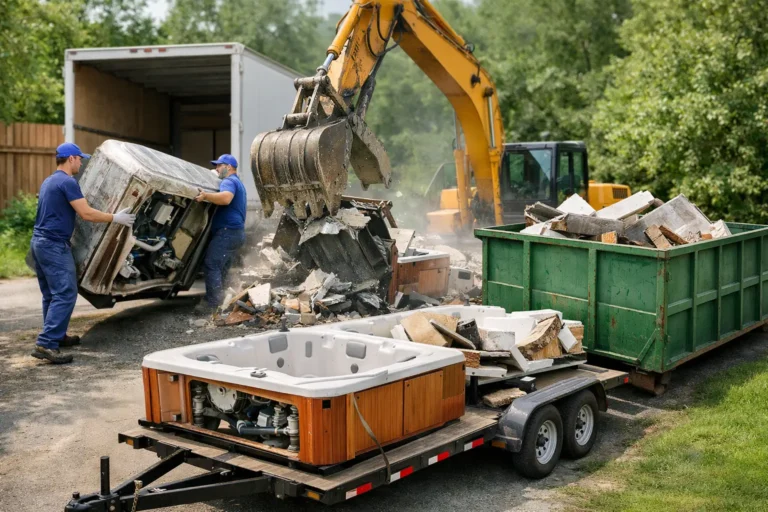
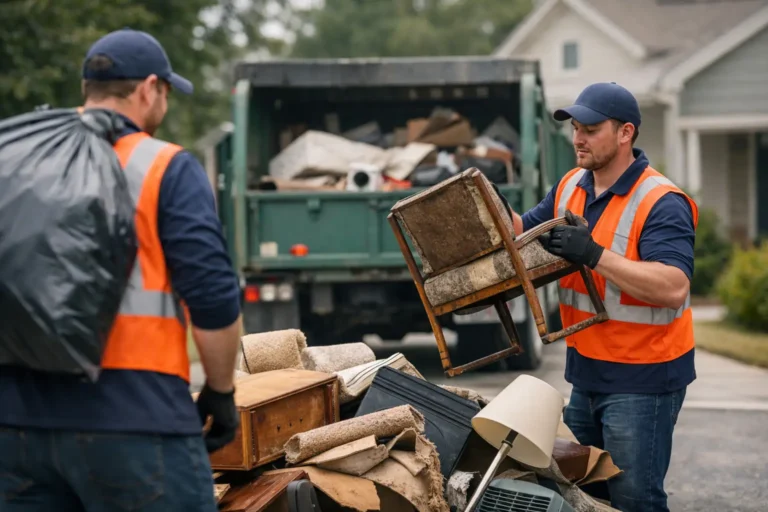
For heavy, awkward, numerous, or time-sensitive items, full-service hauling is usually the most efficient choice. A trained crew can assess the load, move furniture from wherever it sits, protect nearby walls and floors, load the truck, and handle disposal. This is especially helpful for sleeper sofas, armoires, large entertainment centers, sectional couches, office desks, and furniture located upstairs or in tight hallways.
With a service such as Local Loop Junk Troop, you get an on-site quote before work begins, labor included in the removal, and a team that can sort items for donation or recycling where possible. That removes the need to borrow a truck, recruit friends, find a disposal facility, or risk a back injury trying to pivot a bulky piece through a doorway.
When DIY Furniture Removal Makes Sense
Do-it-yourself removal can be reasonable for lightweight items that fit safely in your vehicle and have a clear destination. A small side table, desk chair, or disassembled bed frame is often manageable. It can also make sense if you already have a truck, know the local disposal requirements, and have enough capable help to move the item safely.
The cost is more than fuel. Consider truck rental fees, dump or transfer-station charges, straps, blankets, your time, and the chance of damaging the item, vehicle, doorway, or flooring. A single bulky couch can require two or three people. A solid wood dresser may be heavier than it looks, particularly when drawers have not been emptied.
DIY becomes a poor fit when the furniture is wet, moldy, infested, excessively heavy, or difficult to navigate through stairs. It is also not ideal when you have a deadline. What seems like a quick Saturday project can turn into multiple trips and a full weekend of lifting.
Prepare Furniture for a Smooth Removal
A little preparation helps any removal option go faster. Empty drawers, cabinets, and hidden compartments first. Personal documents, jewelry, medication, remotes, and loose cash are commonly overlooked during cleanouts. Remove detachable cushions, shelves, glass inserts, and legs when doing so makes the item safer to carry.
Measure large furniture and the path it must travel. Note door widths, stair turns, elevator availability, low ceilings, and parking limitations. If a piece will not fit, do not force it. Controlled disassembly may be needed, especially for wall units, bed frames, oversized desks, and built-in-style furniture.
Create a clear path from the item to the exit. Move rugs, lamps, plants, and small tables out of the way. If you live in an apartment or condo, reserve the elevator or loading area if required by the property. For a removal crew, sharing these details in advance helps them arrive prepared and keeps the appointment efficient.
Furniture Items That Need Extra Care
Not all furniture should be treated like a standard curbside item. Mattresses and box springs may have separate disposal requirements and are often rejected by donation centers. If they are clean and in acceptable condition, recycling may be possible, but availability varies by area.
Recliners, sleeper sofas, and massage chairs contain metal mechanisms that add considerable weight. Take care with glass-top tables, mirrors, and china cabinets, which can break during transport if not handled correctly. Large desks, conference tables, cubicle components, and office furniture may need to be disassembled before they can leave the building.
Furniture affected by bed bugs, rodents, mold, or heavy contamination should be disclosed before removal. These items require careful handling and may not be eligible for donation or standard recycling. Wrapping or containing contaminated pieces can help prevent spreading debris through the home or property.
Responsible Disposal Is Worth Asking About
Furniture removal does not have to mean sending everything straight to the landfill. Usable pieces may be donated, while metal frames, certain wood products, and other materials can sometimes be recycled. The options depend on the furniture’s condition and local facility requirements, but asking where items go is a reasonable part of choosing a removal provider.
Responsible disposal also matters during large cleanouts. Estate transitions, landlord turnovers, office moves, and renovation projects often produce a mix of furniture, appliances, electronics, cardboard, and construction debris. A full-service team can sort the load more efficiently than making separate trips for every material type.
Choose the Option That Fits Your Deadline
If you have one clean, usable item and flexibility, donation or a local giveaway can be worthwhile. If you have a few pieces, a vehicle, and plenty of time, municipal pickup or DIY disposal may work. When the furniture is heavy, upstairs, damaged, part of a larger cleanout, or standing in the way of a move, professional removal is often the clearest path forward.
The goal is not simply to get furniture out of the room. It is to clear the space safely, keep your schedule intact, and make a responsible choice for items that still have value. Start with the condition of the piece and the urgency of your situation, then choose the removal method that gives you the least stress and the most room to move on.