
A retail space can go from open for business to ready for turnover in a matter of days. Whether you are closing a storefront, remodeling a restaurant, clearing a former tenant’s inventory, or preparing a new lease space, the best retail cleanout services do more than take away unwanted items. They help you meet a deadline, protect the property, and leave behind a clean, usable space without putting heavy lifting and disposal logistics on your team.
For Charlotte-area business owners, landlords, property managers, and retail operators, the right provider can turn a stressful cleanout into a straightforward job. The difference comes down to what the crew can handle, how clearly they price the work, and whether they can work around your timeline.
What Retail Cleanout Services Should Handle
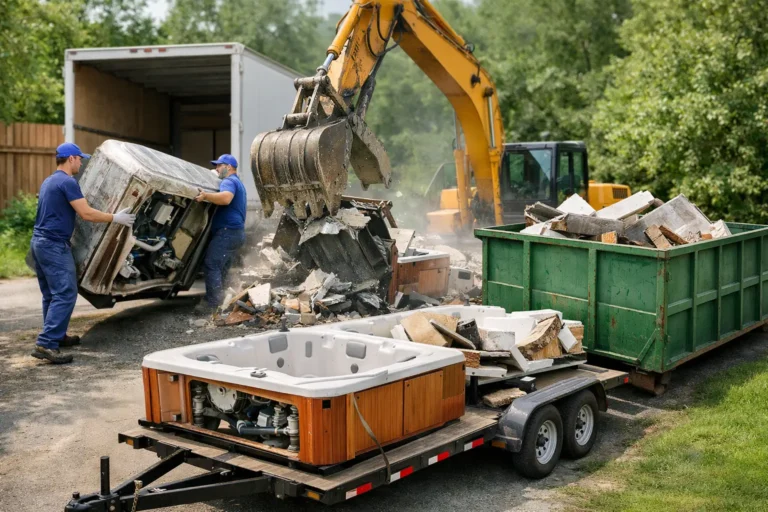
Retail cleanouts rarely involve one type of material. A small boutique may need racks, display tables, mannequins, boxes, and old fixtures removed. A restaurant might have booth seating, shelving, appliances, kitchen equipment, and construction debris. A larger commercial space may include cubicles, pallet racking, damaged inventory, electronics, signage, and back-room clutter.
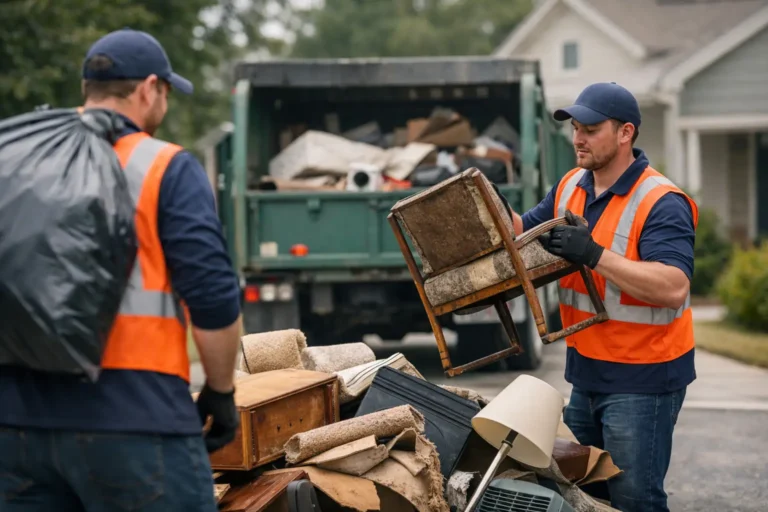
A full-service cleanout crew should assess the entire space, provide the labor, load the material, haul it away, and sort items for responsible disposal. That means you should not have to rent a dumpster, find enough staff to move bulky equipment, or make multiple trips to a transfer station.
The scope matters. Ask whether the provider can remove furniture, shelving, fixtures, appliances, e-waste, cardboard, scrap metal, and general debris in the same visit. If you are dealing with attached counters, wall displays, flooring, cabinets, or non-structural interior elements, ask about light demolition as well. Coordinating hauling and removal work with one team can save time and reduce handoffs.
Start With Your Turnover Deadline
Retail cleanouts are often tied to firm dates. A lease may be ending, a new tenant may be scheduled to move in, or contractors may be waiting to begin a renovation. Before comparing companies, identify the date the space must be cleared and whether the work must happen outside operating hours.
The best retail cleanout services are not always the ones with the lowest quote. A lower-priced option that cannot arrive until after your handoff date can create more expensive problems, including lease penalties, delayed construction, or a frustrated incoming tenant.
Ask direct scheduling questions: Can the crew provide same-day or next-day service if needed? Can they work early mornings, evenings, or weekends? How long do they expect the cleanout to take? Will they bring enough labor and truck capacity to finish in one trip?
A reliable company will give you a realistic answer rather than promising an impossible turnaround. For a small storefront, one crew may be enough. For a warehouse-adjacent retail space or a large restaurant closure, the job may require multiple loads or a phased removal plan. Clear expectations protect everyone involved.
Look for Upfront, On-Site Pricing
Retail cleanout pricing should be understandable before work begins. In most cases, the cost reflects the amount of material, labor required, access conditions, disposal fees, and any demolition or specialty handling involved.
Be cautious with vague quotes that leave room for surprise charges later. A professional provider should be willing to review the items on site, explain what is included, and give you an upfront price. If the scope changes after the work starts, such as discovering a packed storage room or extra debris behind fixtures, the crew should discuss the adjustment before moving forward.
Price comparisons only work when you are comparing the same service. One quote may cover curbside pickup only, while another includes labor, loading, hauling, disposal, cleanup, and recycling. For a commercial turnover, full-service removal is usually worth considering because it keeps your employees focused on customers, inventory, or the next location.
Confirm They Can Work Safely in a Commercial Space
A cleanout crew is working around walls, doors, floors, elevators, loading docks, and shared common areas. Careful handling is part of the job. You want a team that can remove bulky items without scraping finished surfaces, blocking a fire lane, or leaving debris in a shopping center corridor.
Access can change the plan. A ground-floor store with a rear loading dock is very different from a second-floor unit in a mixed-use building. Before booking, share details about stairs, elevators, narrow doors, parking restrictions, dock hours, gate codes, and property management requirements.
Specialty items deserve extra attention. Commercial refrigerators, large safes, heavy display cases, arcade machines, restaurant equipment, and oversized signage may require a specific removal approach. If an item is attached to the building or has electrical, plumbing, or gas connections, clarify what needs to be disconnected before the crew arrives. A junk removal team can handle the hauling, but licensed trade work may be needed first depending on the item.
Ask How Disposal Is Handled
A retail cleanout can produce a surprising amount of reusable material. Fixtures, desks, shelving, chairs, working appliances, and unopened supplies may still have value. Cardboard, metal, and certain electronics can often be recycled rather than sent directly to a landfill.
Responsible disposal is not just a nice extra. It can reduce waste, support local donation efforts when items are suitable, and help property owners meet internal sustainability goals. Ask the company whether it sorts donation and recycling opportunities from material that truly needs disposal.
There are limits, of course. Damaged, contaminated, moldy, or broken materials may not be accepted for donation. A dependable provider will be honest about those limits instead of promising that every item can be reused. The goal is to make the most responsible decision practical for the condition of the material and the timing of the job.
Choose a Provider That Matches the Scope
Not every retail cleanout needs the same level of service. A simple fixture removal after a seasonal pop-up is different from clearing a closed retail store with years of back-stock, office furniture, and built-in displays.
For a smaller job, a hauling crew with quick scheduling and transparent pricing may be all you need. For a larger turnover, look for a company that can manage multiple truckloads, coordinate with a property manager, remove bulky materials, and handle light interior demolition if the lease requires it.
Local Loop Junk Troop provides full-service commercial cleanouts for businesses that need a crew to assess, load, haul, and dispose of unwanted material without adding more work to the staff or property team. That approach is especially helpful when a closing date is close and the space needs to be cleared in an orderly way.
Prepare the Space Before the Crew Arrives
You do not need to do the heavy lifting, but a little preparation can make the appointment faster. Separate anything you are keeping, including files, keys, point-of-sale equipment, personal belongings, and items needed for another location. If products or fixtures are being sold, moved, or picked up by another party, label them clearly or place them in a designated area.
It also helps to notify the property manager, reserve loading access if required, and make sure the crew can enter the building. For a vacant unit, provide instructions for keys, alarm codes, or an authorized contact who can approve the work.
If you have photos of the space and a general list of what needs to go, share them when requesting an estimate. Photos are useful for planning, but an on-site review is often the best way to account for volume, access, and hidden material in storage rooms or stock areas.
Signs You Have Found the Right Team
The right retail cleanout provider communicates clearly before the truck arrives. They ask useful questions about your deadline, access, materials, and any special items. They provide a straightforward quote, show up prepared, and leave the area swept and ready for the next stage.
Good service also means knowing when a job needs more than hauling. If fixtures must be detached, a wall needs partial removal, or a heavy appliance requires special handling, the team should explain the plan rather than treating every job like a pile of curbside junk.
When your retail space has to be empty by a specific date, start the conversation early, share the full scope, and choose a crew that can take ownership of the removal work. That gives you more time to focus on the handoff, renovation, or next business move.