
A basement full of boxes, a spare bedroom that became storage, or one oversized recliner can turn a simple downsizing plan into a physically demanding project. The best junk removal for seniors is not simply the company with the biggest truck. It is a service that removes the lifting, sorting, hauling, and disposal burden while treating the home, belongings, and family decisions with respect.
For seniors and families helping a parent or loved one transition, the right crew can make a difficult task feel manageable. Whether the goal is clearing room for safer movement at home, preparing for a move, or handling an estate cleanout, a full-service removal team should bring a clear process, fair pricing, and dependable labor.
What Makes the Best Junk Removal for Seniors?
Senior junk removal needs are often different from a standard curbside pickup. There may be heavy furniture on a second floor, decades of household items to review, sentimental belongings mixed with unwanted clutter, or a deadline tied to a home sale or move into assisted living.
A good provider understands that speed matters, but rushing a customer does not help. The best experience combines efficient work with enough time to identify what stays, what goes, and what may be donated. A crew should be ready to do the hands-on work after receiving direction from the homeowner, family member, executor, or property manager.
Look for a company that offers on-site quotes before work begins. An in-person assessment gives the crew a chance to see stairs, narrow hallways, large appliances, outdoor access, and the true amount of material. It also gives the customer a chance to ask questions and approve the price before items are loaded.
Full-Service Labor Matters
The biggest benefit of professional junk removal is that customers do not need to carry items outside, rent a truck, or figure out where each item can legally be dropped off. Full-service means the crew handles the lifting, loading, hauling, and disposal process.
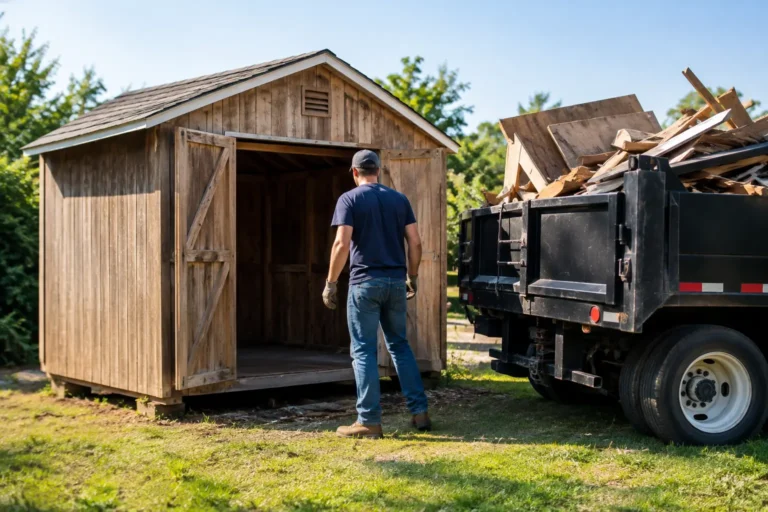
That is especially valuable for bulky and awkward items such as couches, mattresses, dressers, refrigerators, washers, dryers, exercise equipment, and old televisions. It can also help with garage cleanouts, attic clutter, shed contents, yard debris, and boxes that have been sitting untouched for years.
For seniors with limited mobility, back pain, balance concerns, or recovery restrictions, attempting a large cleanout alone can create an unnecessary risk. Even family members can get hurt moving furniture down stairs or trying to force a heavy item through a doorway. Hiring help is often the safer, more practical choice.
Clear Pricing Prevents Stress
Pricing should be easy to understand. A reputable junk removal company should explain what the quote covers, including labor, loading, hauling, and disposal. Customers should not have to guess whether stairs, heavy pieces, or extra work will become surprise charges later.
It is reasonable to ask how pricing is structured. Some jobs are priced by the amount of space items take up in the truck, while others may require pricing based on labor, weight, specialty disposal, or demolition needs. The right method depends on the job. A few boxes in a garage are different from a full estate cleanout with appliances, furniture, and construction debris.
Before approving service, confirm whether the quoted price is all-inclusive and what could cause the price to change. A straightforward conversation upfront makes it easier to move forward with confidence.
When Seniors Benefit Most From Junk Removal
Junk removal is helpful whenever unwanted items are preventing the next step. That could be a move, a renovation, a real estate listing, or simply making a home easier to use safely.
Downsizing is one of the most common reasons. A house that worked well for a family of four may no longer fit a senior moving to a smaller home, condo, or retirement community. Instead of transporting every item and sorting later, many families choose to keep the pieces that matter most and remove furniture or household goods that will not fit.
Estate cleanouts also require a respectful approach. Families may need to clear a home after a loss, often while coordinating probate, repairs, real estate plans, and out-of-town relatives. A reliable crew can remove approved items efficiently so the family can focus on decisions that cannot be delegated.
Safety cleanouts are another important use case. Excess belongings can narrow walkways, block access to closets, fill a garage, or make it harder to reach commonly used rooms. Clearing unnecessary items from hallways, bedrooms, bathrooms, and entrances can make a home more functional without requiring a full move.
A Simple Process for Sorting Without Regret
The hardest part of a cleanout is not always the hauling. It is deciding what to keep. Starting with a simple plan helps prevent last-minute confusion and keeps the removal crew working efficiently.
First, separate items into three basic groups: keep, remove, and review. The review group is for photographs, paperwork, heirlooms, jewelry, financial records, and anything family members may want to see before a decision is made. Do not place review items in the removal area until everyone responsible has agreed.
Next, label or clearly point out the items staying in the home. During a large cleanout, especially when multiple rooms are involved, visible instructions help avoid mistakes. If a piece of furniture is being moved to another room rather than hauled away, say so before loading begins.
Finally, schedule removal after important documents and personal items have been checked. Look through desks, filing cabinets, nightstands, coat pockets, storage bins, and old books. These are common places for keys, cash, family photos, legal papers, and small valuables to be overlooked.
Responsible Disposal Should Be Part of the Plan
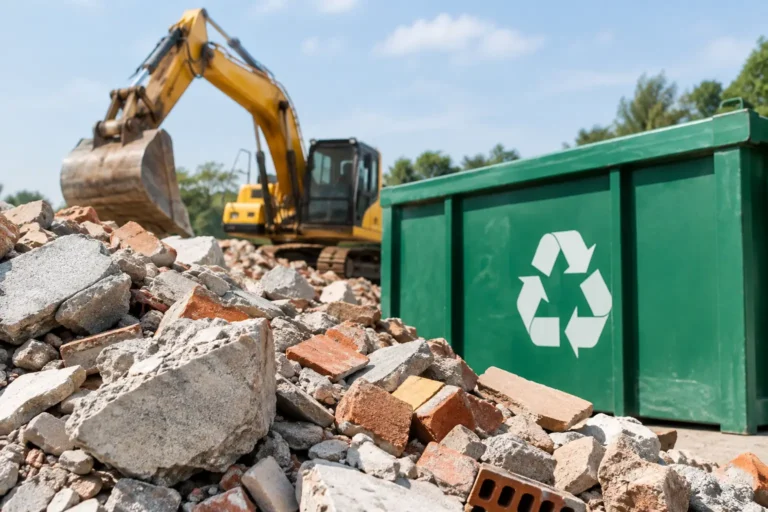
Not every unwanted item belongs in a landfill. Many usable household goods can be donated, while recyclable materials may be separated when facilities accept them. Responsible disposal matters to seniors and families who want belongings handled thoughtfully rather than treated as trash by default.
A professional removal company can help identify what is appropriate for donation or recycling, although acceptance depends on an item’s condition and local facility requirements. Clean, usable furniture and household items may have a second life. Metals, certain appliances, electronics, cardboard, and other materials may also need separate disposal routes.
Some items require special handling. Paint, chemicals, batteries, medical sharps, propane tanks, and certain hazardous materials should never be mixed into a standard junk pile without first checking disposal requirements. Ask the removal company what it can take and what needs an alternative plan.
Questions to Ask Before Booking
A short conversation can reveal a lot about the level of service you will receive. Ask whether the company provides on-site estimates, does all lifting and loading, and can work around stairs or tight spaces. If the job involves an estate, downsizing deadline, or real estate closing, ask about scheduling availability and whether same-day or next-day service may be possible.
It also helps to explain the scope clearly. Mention large furniture, appliances, attic access, shed contents, hot tubs, pianos, or anything requiring light demolition. A company that knows the details before arrival can send the right crew, equipment, and truck capacity.
For Charlotte-area families, Local Loop Junk Troop provides full-service hauling and cleanouts designed to keep the process orderly from the on-site quote through final pickup. The crew can remove approved items from wherever they are located, helping customers avoid the heavy lifting and disposal logistics that make cleanouts so stressful.
The right removal service should leave behind more than empty space. It should leave a home that feels safer, easier to manage, and ready for whatever comes next.