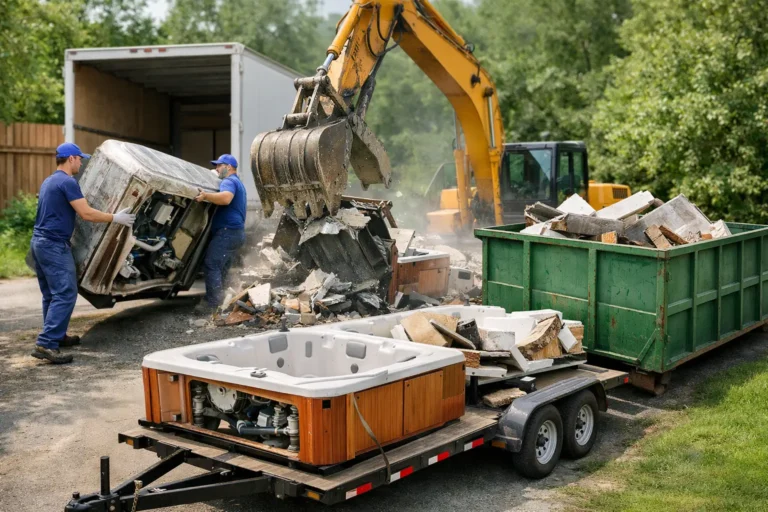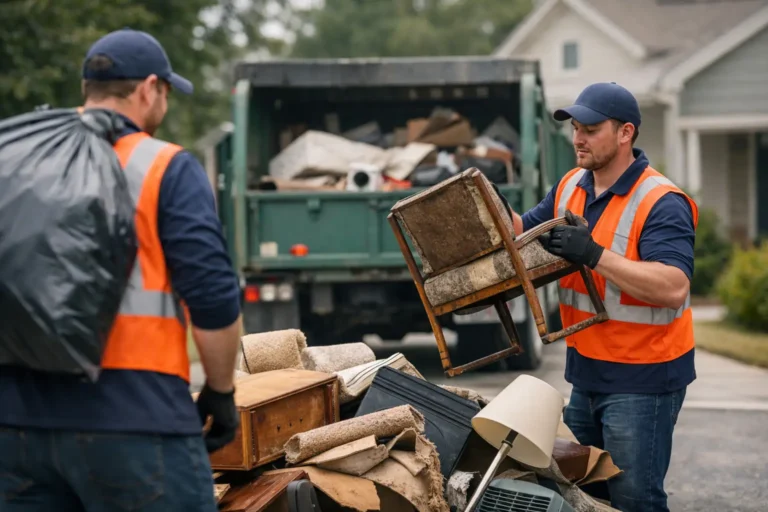
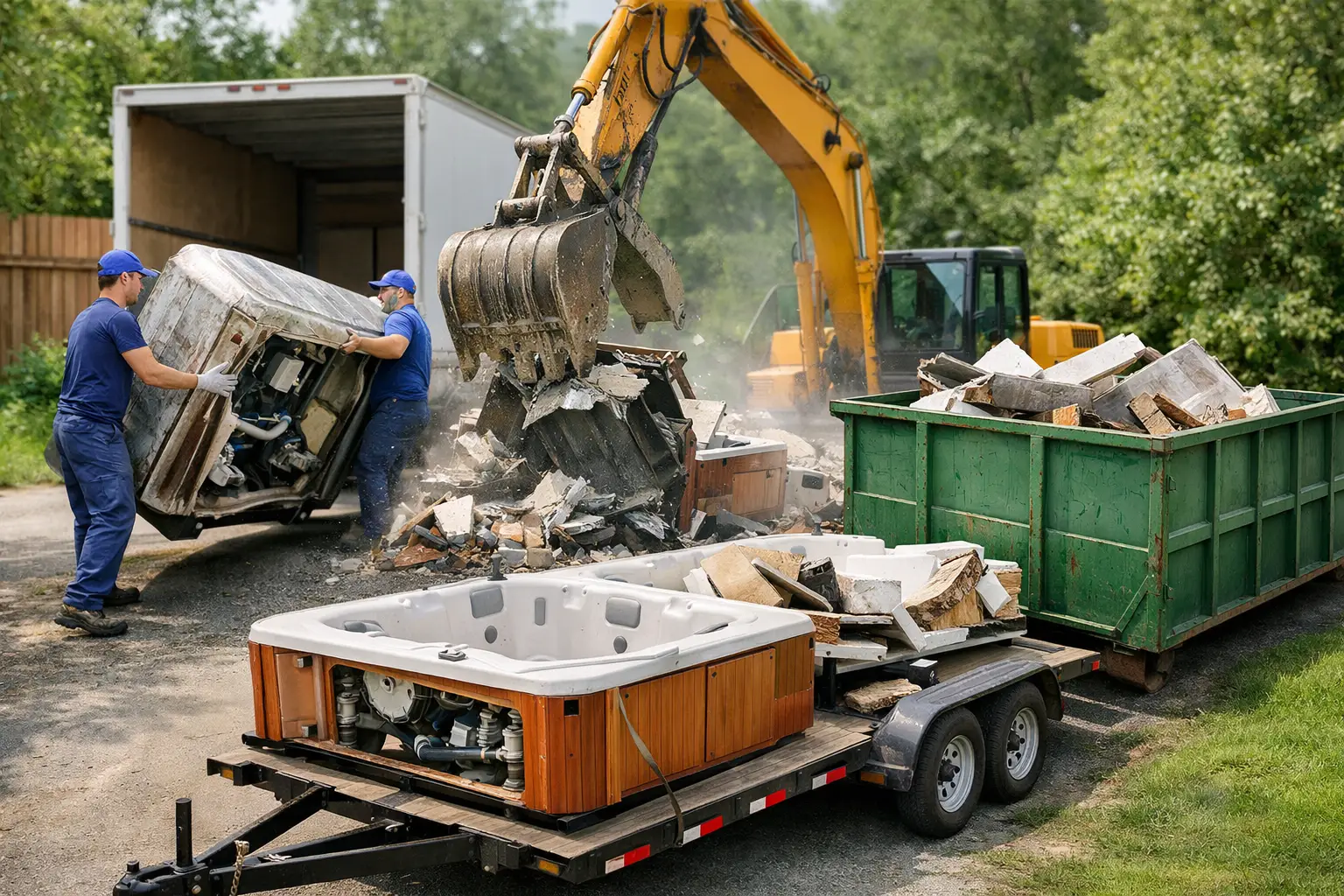
A hot tub can be the centerpiece of a backyard for years, right up until it stops heating, starts leaking, or becomes one more large project on the to-do list. The best hot tub disposal options depend on its condition, your timeline, and whether you are prepared to handle disconnection, demolition, and heavy lifting. What sounds like a simple haul-away can involve electrical components, plumbing lines, bulky panels, and a unit that may weigh several hundred pounds even after it is drained.
For Charlotte-area homeowners, the right choice is usually the one that clears the space safely without creating a bigger cleanup problem. Here is how to decide what makes sense for your property.
Start With the Hot Tub’s Actual Condition
Before arranging removal, take an honest look at the tub. If it is relatively new, holds water, heats properly, and has no major shell cracks, it may still have resale or donation value. A working hot tub can appeal to a buyer who is willing to pay for moving and installation, especially if you have service records, a cover, steps, and functioning equipment.
Be realistic, though. Used hot tubs are difficult to move, expensive to install, and not always easy to sell. An older unit with damaged pumps, a cracked shell, missing controls, or persistent leaks is unlikely to attract a buyer. In that case, spending weeks posting it online may only delay the backyard project you actually want to complete.
A quick rule helps: sell or give it away only if someone can reasonably use it as-is. If it needs major repair or has already been sitting empty for years, disposal is often the more practical route.
The Best Hot Tub Disposal Options, Compared
There is no single best answer for every spa. These are the most common routes, along with the trade-offs that matter.
Sell It or Offer It for Free
Selling is the best option when the hot tub is clean, working, and modern enough to justify the buyer’s transportation costs. Take clear photos of the shell, cover, control panel, cabinet, and equipment area. Share the model, approximate age, known repairs, and whether the buyer must remove it.
Giving a working tub away can move faster than selling it, but “free” should not mean unsafe or disorganized. The new owner needs a realistic plan for moving it without damaging your deck, fence, or landscaping. Confirm in writing that they are responsible for disconnection, loading, and any property damage caused during pickup.
This route costs the least out of pocket, but it can cost the most time. If the buyer cancels or arrives without enough help, you are back at square one.
Donate It When It Is Truly Usable
Donation is worth considering for a newer, functional hot tub, but it is less common than people expect. Many charitable organizations cannot accept spas because of liability, sanitation, moving requirements, and limited demand. A nonworking unit is generally not a donation candidate.
If an organization confirms it can use the tub, provide accurate details about condition and make sure the electrical connection is safely handled before pickup. Never assume a charity will dismantle a built-in spa, disconnect hardwired power, or navigate a difficult backyard access route.
Recycle the Materials
A typical hot tub includes recyclable materials, particularly metal framing, pumps, motors, wiring, and some plumbing components. The challenge is that recycling usually requires the spa to be broken down first. The acrylic shell, foam insulation, composite cabinet panels, and cover may not be accepted by the same recycler.
DIY disassembly can work for a handy homeowner with the right tools, protective gear, and a clear plan for each material stream. The tub must be drained, disconnected from power, and cut into manageable sections. That process is noisy, dusty, and physically demanding. It also creates sharp edges and bulky pieces that still need transportation.
Recycling makes the most sense when you have easy access, know where the separated materials will go, and are comfortable doing the labor. Otherwise, a full-service removal team can sort recoverable material where practical and take care of the remainder.
Use a Dumpster or Roll-Off Container
A dumpster can be a good fit when a hot tub is only one part of a larger renovation, deck tear-out, or backyard cleanup. It gives you room for the spa sections, old decking, fencing, landscaping debris, and other construction material in one container.
The downside is that you still have to do the hard part. You will need to cut up the hot tub, lift the sections into the container, and follow the rental company’s material rules. Some companies also require a protected placement area and may charge based on weight, overages, or prohibited items.
For a single freestanding hot tub, a dumpster is often more work than necessary. For a full outdoor renovation, it can be efficient.
Hire Full-Service Hot Tub Removal
Full-service removal is usually the simplest choice for a broken, outdated, or hard-to-move hot tub. A trained crew can assess the access route, confirm the unit has been properly drained and disconnected, dismantle it when needed, load the pieces, and haul them away. You do not have to rent a truck, recruit friends, or figure out where each component belongs.
This option is particularly helpful when the tub is enclosed by a deck, located behind a narrow gate, or part of a time-sensitive property sale, rental turnover, or renovation. It may cost more than a curbside solution, but it replaces multiple tasks with one scheduled service.
Local Loop Junk Troop provides full-service hot tub removal in Charlotte and surrounding communities, with labor, loading, hauling, and responsible disposal handled as one organized job. An on-site quote is especially useful for spas because access and demolition needs can change the scope of work.
Why Curbside Disposal Usually Is Not the Answer
A hot tub is not ordinary household trash. Most municipal pickup programs will not take one whole at the curb because of its size, weight, and mixed materials. Even if you cut it apart, local collection rules may limit what can be set out, how much is allowed, and whether construction-style debris is accepted.
Leaving a spa near the curb without approval can create an eyesore, block access, and expose you to code or HOA concerns. It also leaves the heavy lifting for someone else, with no assurance the materials will be handled responsibly. Check your local rules before relying on curbside bulk pickup, particularly in communities with strict HOA standards.
What Affects Hot Tub Disposal Cost?
Removal pricing should be based on the job, not a vague promise. The biggest factors are the tub’s size, the route from backyard to truck, whether it needs demolition, and how much labor is required. A small, freestanding spa on a level patio is very different from a large unit built into a raised deck.
Other factors can include stairs, tight gates, steep slopes, fencing that must be temporarily removed, attached gazebos, and whether a licensed electrician must disconnect hardwired power. The amount of material also matters if the project includes an old cover, steps, surrounding deck sections, or accumulated backyard debris.
Ask for upfront pricing after the crew sees the item and access conditions. That gives you a clearer number than an estimate made from a single photo, and it helps prevent surprises once the work begins.
Prepare Your Hot Tub for Safe Removal
A little preparation makes removal faster and protects your property. Drain the water completely according to the manufacturer’s instructions and allow the interior to dry. Remove loose items such as filters, chemicals, accessories, and personal belongings. If the tub is connected to electricity, shut off the breaker and arrange for proper disconnection when needed.
Clear a path from the hot tub to the driveway or street. Move patio furniture, planters, grills, and toys. Measure gates and narrow side yards if access looks tight, and tell the removal team about stairs, slopes, deck openings, or sprinkler lines before the appointment.
Do not try to tip, drag, or cut into a hot tub before confirming it is fully disconnected. Water and electricity are a dangerous combination, and even an empty shell can shift unexpectedly when moved.
Choose the Option That Clears the Whole Problem
The right disposal plan is not always the cheapest line item. It is the one that accounts for the work still left after the hot tub is gone: cleanup, transportation, recycling, property protection, and your own time. If your spa is usable, pass it along honestly. If it is worn out or inaccessible, professional removal can turn a complicated backyard obstacle into open, usable space again.