
The fastest way to blow up a bathroom remodel budget is to start demolition without a plan. A solid bathroom demolition planning guide helps you figure out what is coming out, what needs protection, how debris will leave the property, and where hidden costs usually show up.
Bathroom demo looks simple from the outside. Pull out the vanity, remove the tile, haul off the tub, and move on. In reality, the work can affect plumbing, electrical lines, subfloors, drywall, hallway traffic, parking, and disposal logistics. If you plan those details before the first hammer swing, the rest of the project tends to move faster and with fewer surprises.
What a bathroom demolition planning guide should cover
A useful bathroom demolition planning guide is not just a checklist of tools. It should answer four practical questions. What are you removing, what are you keeping, what could go wrong once walls or flooring open up, and who is handling cleanup and disposal?
That matters because not every bathroom demo is a full gut job. Some homeowners only need tile, a vanity, and fixtures removed before a remodel crew comes in. Others need everything taken down to the studs. A landlord may want fast turnover with minimal downtime, while a homeowner in an older Charlotte property may need extra caution around aging plumbing, water damage, or layered flooring.
The scope drives everything else – labor time, debris volume, cost, and how much protection the rest of the home needs.
Start with scope before you think about price
The most common planning mistake is asking for a demolition price before defining the work. Demo pricing changes based on what is being removed and how difficult access will be.
A small powder room with a pedestal sink and basic flooring is a different job than a primary bathroom with a double vanity, glass shower enclosure, cast iron tub, thick mortar bed, and second-floor access. The amount of debris, the weight of the materials, and the labor required to carry everything out all affect the final number.
Write down exactly what stays and what goes. Be specific. If the mirror stays but the vanity goes, note it. If the toilet is being replaced but the drywall remains, note that too. If a contractor needs the room stripped to the studs, include that clearly. Small assumptions create big delays once the work starts.
Check for shutoffs, utilities, and access points
Before demolition day, make sure water and power can be safely addressed. Bathrooms pack a lot into a small footprint, and that means demo crews often work around active plumbing lines, outlets, light fixtures, and vent connections.
You do not need a complicated site plan, but you do want to know where the main water shutoff is, whether local shutoffs work properly, and whether any electrical circuits serving the bathroom need to be turned off. If your remodel team or plumber is handling disconnections, schedule that in advance. If not, ask who is responsible before demolition begins.
Access matters just as much. Measure narrow doorways, stairwells, and exterior paths if large items like a tub or heavy vanity need to come out. In older homes, a tub may not leave the room in one piece. That is normal, but it changes labor and debris handling.
Protect the parts of the property that are not being remodeled
Bathroom demo creates dust, sharp debris, and a lot of in-and-out foot traffic. Even a careful crew can track material through halls, entryways, and driveways if the property is not prepped properly.
Think beyond the bathroom itself. Which route will workers use to remove debris? Is there a white hallway carpet outside the door? Will debris pass through a recently painted foyer? Are there elevators, HOA rules, or condo loading restrictions to consider? These details are easy to overlook and expensive to ignore.
Basic floor protection, dust containment, and a clear hauling path make a big difference. The goal is not just removing the bathroom. It is removing it without turning the rest of the property into a cleanup project.
Expect hidden conditions once surfaces come off
This is where bathroom demolition planning gets real. Behind tile and under flooring, you may find rot, mold, soft subflooring, old leak damage, damaged drywall, rusted fasteners, or plumbing that does not meet current expectations.
That does not mean every project will uncover a problem. It does mean you should budget for the chance. Bathrooms are wet areas, and water has a way of showing up where nobody expected it.
If the home is older, layered materials are also common. You might have vinyl over old tile, or tile over a thick mortar base that takes much longer to remove than modern flooring. A project that looked straightforward can quickly become heavier, messier, and more labor-intensive.
The practical move is to leave room in your schedule and budget for a surprise or two. That is not pessimistic planning. It is realistic planning.
Know what happens to the debris
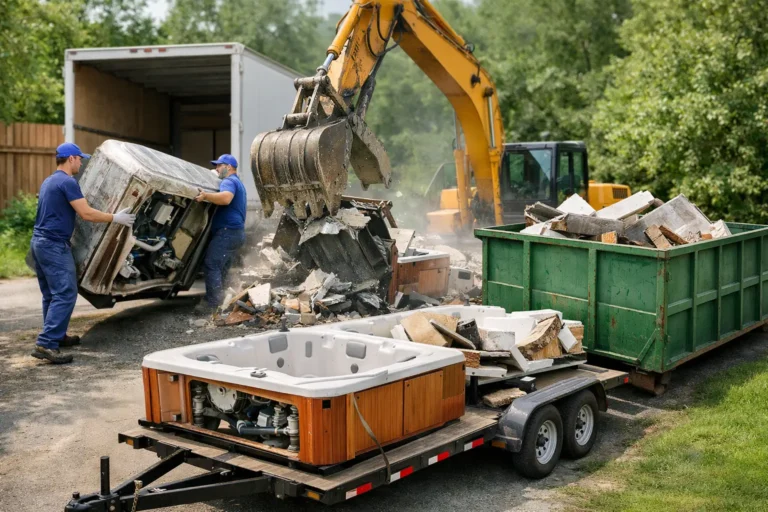
Debris removal is often treated like an afterthought, but it should be part of the plan from day one. Bathroom materials are dense and awkward. Broken tile, drywall, toilets, sinks, vanities, tubs, glass, and flooring add up fast.
If you are doing any part of the work yourself, ask where the debris will go before you start. Will it fit in your trash service? Usually not. Will you need a trailer, a truck, or labor to carry it out from a second floor? Probably. Disposal fees, loading time, and sorting materials can all affect the total cost.
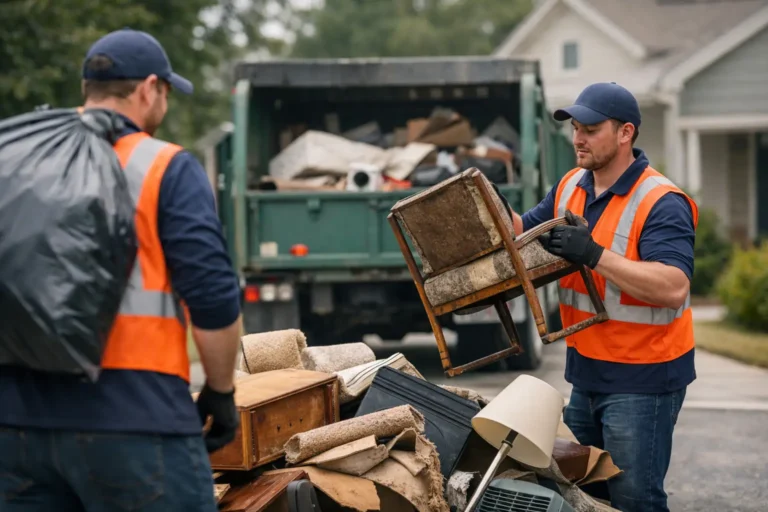
This is one reason many property owners prefer full-service help. A professional crew can remove the materials, load them, haul them away, and dispose of them properly without leaving piles in the driveway for days. When possible, recyclable materials and salvageable items can be separated instead of treating everything like landfill waste.
Timing matters more than most people expect
Demo is the first physical step, but it should be scheduled around what comes next. If demolition finishes on Tuesday and your plumber cannot arrive until next week, the bathroom may sit unusable longer than necessary.
For homeowners with only one full bathroom, that gap is a big deal. For landlords, property managers, and real estate professionals, every extra day can affect turnover and scheduling. Try to line up demolition close to the next phase so the room moves from teardown to rebuild without unnecessary downtime.
It also helps to ask how long debris will remain onsite. A clean, orderly removal process keeps the property more functional and reduces stress for everyone using the space.
DIY vs. hiring help for bathroom demolition
Some bathroom demolition work is manageable for experienced DIYers, especially light fixture removal or pulling out a small vanity. But once you add tubs, tile, subfloor removal, confined spaces, and heavy debris hauling, the job changes.
The trade-off is straightforward. DIY may save labor dollars upfront, but it can cost more in time, disposal headaches, property damage, and missed problems. Hiring help costs more at the start, but it usually saves effort, speeds up the timeline, and reduces the chance of a messy half-finished demo sitting in your home.
For many customers, the real value is not just swinging the tools. It is having a team that shows up on time, protects the property, gives upfront pricing, removes the debris, and leaves the area ready for the next contractor.
A simple way to plan your bathroom demo
If you want the job to stay on track, keep your planning simple and specific. Confirm the exact scope, identify shutoffs and access points, decide how the home will be protected, prepare for hidden damage, and make sure debris hauling is included somewhere in the plan.
If you are managing a rental, prepping a home for sale, or trying to keep a remodel moving on schedule, speed and clarity matter. That is where working with a dependable local crew can make the process easier. Companies like Local Loop Junk Troop help property owners clear out bathrooms efficiently, handle the heavy lifting, and haul away demolition debris without adding extra stress to the project.
A good bathroom demo does not feel dramatic. It feels organized, clean, and ready for the rebuild – which is exactly how it should start.