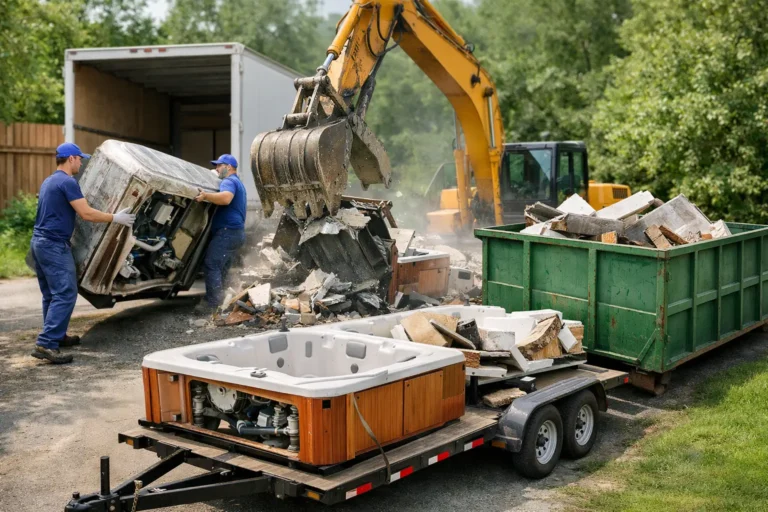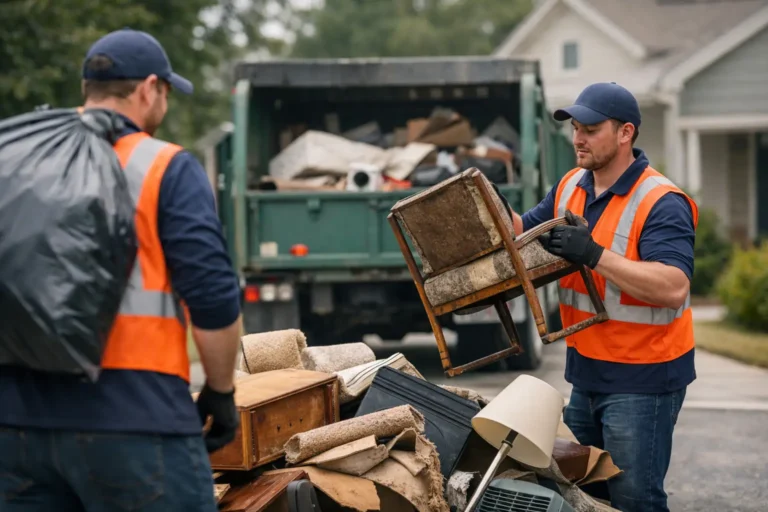
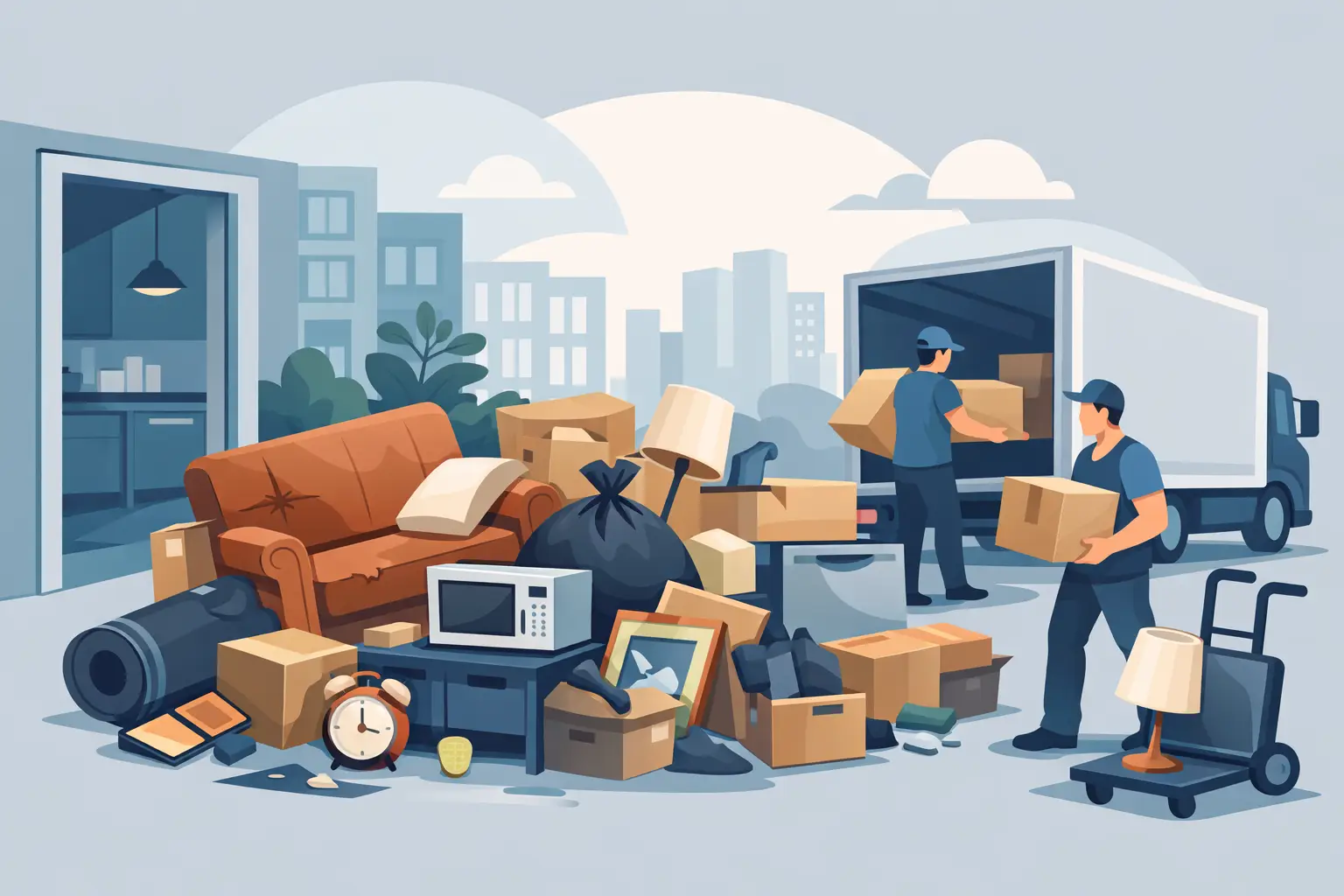
Move-out day gets expensive when the last things left behind are the hardest to deal with. Apartment move out junk usually is not the everyday trash bag by the door. It is the mattress that will not fit in your car, the broken desk you stopped using months ago, the mini fridge in the corner, and the random bags, boxes, and loose items that seemed manageable until the clock ran out.
If you are trying to get your security deposit back, hand over a clean unit, or turn an apartment quickly for the next tenant, junk removal is not a side task. It is often the difference between a smooth move and a last-minute scramble.
What counts as apartment move out junk?
Most people know obvious garbage when they see it, but move-out junk is a little broader. It includes bulky items you do not want to take, damaged furniture, worn-out mattresses, leftover cleaning supplies, old electronics, extra shelving, broken décor, packed closets of unwanted clothing, and bags of mixed clutter that built up during the lease.
For landlords and property managers, apartment move out junk can also include abandoned tenant belongings, curbside overflow, appliances left behind, and common problem items like sagging couches, bed frames, and cheap particleboard furniture that falls apart during moving.
Some items are easy to bag up. Others create real logistical problems. A loveseat on the third floor, a washer in a tight laundry nook, or a heavy dresser in a narrow stairwell takes labor, planning, and the right hauling setup. That is where many move-outs stall.
Why apartment move out junk causes delays
The biggest issue is volume. A few unwanted items do not look like much when spread around an apartment. Once they are pulled into one place, the load is usually larger than expected. Add stairs, elevator rules, limited parking, and lease deadlines, and the window to get everything out gets tight fast.
There is also the disposal question. Apartment complexes rarely allow tenants to leave bulk items by the dumpster. Municipal bulk pickup may require advance scheduling, specific placement, or item restrictions. Donation centers may decline damaged goods, stained mattresses, or assembled furniture. What looked like a simple drop-off can turn into three or four separate trips.
That is why people often wait too long. They assume they will handle the leftovers at the end, then find out the leftovers are the hardest part.
The most common items left behind at move-out
Furniture leads the list. Couches, recliners, dining sets, mattresses, box springs, dressers, bookshelves, and TV stands are the usual culprits because they are bulky, awkward, and often not worth moving to the next place.
Appliances are another frequent problem. Mini fridges, microwaves, old AC window units, washers, dryers, and damaged vacuum cleaners take up space and are not always accepted in regular trash service.
Then there is the mixed load that fills the gap between trash and donation. Think storage bins of random household items, rugs, lamps, wall art, shoes, cookware, holiday decorations, and unopened boxes that never got unpacked in the first place. These loads are easy to underestimate because they do not feel heavy one piece at a time.
What should be donated, recycled, or thrown away?
This is where it depends on condition. If a furniture item is clean, usable, and structurally sound, donation may make sense. If it is broken, stained, infested, soaked, or unsafe, disposal is usually the better route. Recycling is ideal for certain materials like metal, cardboard, some electronics, and appliances, but not every local facility accepts every item.
The practical approach is simple. Separate what is clearly usable from what is clearly done. The middle category is where people lose time. A hauling team that sorts loads with donation and recycling in mind can save you from making five different disposal decisions under pressure.
That matters for more than convenience. Responsible disposal keeps good items out of the landfill when possible, but it also prevents the common mistake of setting out material that your apartment community or city will not collect.
How to handle apartment move out junk without losing a day
Start earlier than you think you need to. The best time to sort junk is before the final week, not during it. Go room by room and make three quick decisions for each item: take it, donate it, or remove it. If you hesitate too long, it probably stays in the junk category.
Bulky items should be dealt with first. They take the most effort and limit your space while packing. Once the large pieces are gone, the smaller clutter is easier to see and easier to finish.
It also helps to check your lease or apartment rules. Some communities have strict policies about dumpster use, elevator reservations, move-out hours, and where trucks can park. A plan that works in a single-family home may not work in a large apartment building.
If your schedule is tight, full-service hauling is often the faster option. Instead of renting a truck, recruiting help, lifting everything yourself, and figuring out disposal stops, a crew can assess the load, give an upfront quote, and remove it in one trip. That is especially helpful when the job includes stairs, heavy lifting, or same-day timing.
When hiring help makes the most sense
DIY removal can work for a few small items and plenty of free time. It becomes less practical when the load includes large furniture, appliances, demolition debris, or a full apartment of leftovers. It also becomes less practical when you are moving across town on the same day, managing keys, cleaning, and trying to meet a lease deadline.
Landlords and property managers run into the same issue on turnovers. Waiting on maintenance staff or trying to piece together disposal around other tasks slows the unit-ready timeline. Fast junk removal keeps the process moving, especially after evictions, abandoned move-outs, or last-minute vacancy prep.
A professional crew also reduces risk. Carrying a couch down tight stairs or moving a broken bed frame through a narrow hallway can damage walls, doors, and floors. A careful hauling team does this work every day and knows how to remove items without turning junk pickup into a repair bill.
What to expect from a full-service apartment move out junk pickup
The process should be simple. You schedule a visit, the crew arrives, looks at what needs to go, and provides a clear quote before any work starts. If you approve it, they load everything, sweep up the area if needed, and haul the items away for proper disposal, recycling, or donation when possible.
That kind of service is built for speed, but it also works well for people who just do not want the physical strain. Renters, seniors, busy families, and out-of-town owners often need a team that can handle the labor from start to finish.
In Charlotte-area apartments, timing and access matter. Reliable crews know how to work around gate codes, office check-ins, elevator coordination, and tight parking. That local experience can save a surprising amount of back-and-forth on move-out day.
A smarter way to avoid fees and frustration
Leaving junk behind can lead to removal charges, cleaning fees, delayed turnovers, and avoidable stress. The cheaper choice is not always doing it yourself. If the job requires truck rental, disposal fees, fuel, extra hands, and half a day you do not really have, the numbers can shift quickly.
The better question is whether the junk is keeping you from finishing the move cleanly and on time. If it is, getting it removed fast is usually the right call.
Local Loop Junk Troop helps renters, landlords, and property managers clear out apartment leftovers without the usual hassle. When the goal is a clean handoff, upfront pricing, and one less thing to manage, fast hauling support can make the final stretch a lot easier.
The best move-out plan is not perfect packing. It is making sure the items you do not want are gone before they turn into a deadline problem.