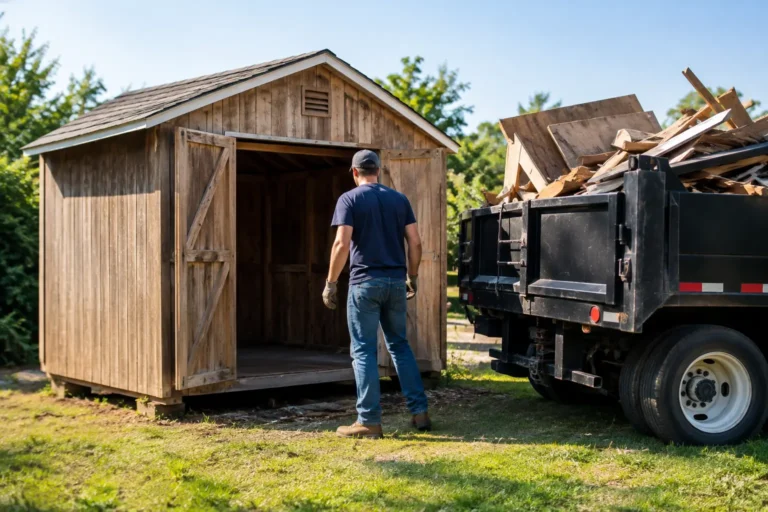

A house can look like it needs to be cleared quickly, but rushing an estate cleanout is how family photos, legal papers, jewelry, and meaningful keepsakes get lost. The best practices for estate cleanouts start with slowing down long enough to make a plan, then moving efficiently once everyone knows what stays, what goes, and who is responsible for each decision.
For families, executors, landlords, and real estate professionals, a well-managed cleanout protects the property, respects the person who lived there, and keeps a difficult project from turning into weeks of extra work. The right approach also makes it easier to donate usable items, recycle what can be recovered, and remove the rest without filling your driveway with bags and broken furniture.
Start With Authority and a Clear Timeline
Before anyone starts loading boxes or moving furniture, confirm who has the authority to make decisions about the property and its contents. If the estate is still going through probate, the executor, administrator, attorney, or family representative may need to approve sales, donations, disposal, and access to the home.
This step may feel formal, but it prevents painful misunderstandings. A relative may believe they can take an item that was promised to someone else, or a valuable piece may be donated before the estate inventory is complete. When there are multiple heirs, put the decision-making process in writing, even if it is just a shared email outlining the timeline and the person with final approval.
Set a realistic deadline based on what happens next. A home being listed for sale, a lease ending, or an assisted living move may create a firm date. If there is flexibility, build in extra time for sorting valuables and arranging family pickup. A rushed cleanout may cost more when crews must wait for last-minute decisions or return for items that were overlooked.
Protect Papers, Valuables, and Personal Records First
The first pass through the home should not be about junk. It should be about protecting items that are easy to miss and hard to replace. Check desks, filing cabinets, closets, nightstands, books, storage totes, old purses, and the pockets of clothing before anything is removed.
Create one secure area for paperwork and small valuables. Look for wills, deeds, vehicle titles, bank records, tax documents, insurance policies, military records, medical files, checkbooks, keys, safe deposit box information, and digital device passwords. If you find cash, jewelry, coins, collectible cards, firearms, or sentimental photos, document the items and store them somewhere secure.
Do not assume an old folder or shoebox has no value. Estate paperwork is often mixed in with receipts, manuals, and everyday household documents. For sensitive records that no longer need to be retained, use secure shredding rather than placing them in regular trash bags.
Use a Simple Sorting System for Every Room
A cleanout moves faster when each item has a destination. Choose a straightforward system and use it in every room: keep, family pickup, sell, donate, recycle, dispose, and review later. Labels, colored tape, or clearly marked bins work well, especially when several people are helping.
The “review later” category is useful, but it needs limits. It is easy for uncertain items to become a pile that no one revisits. Set aside one designated area for those pieces and schedule a final decision day. If an item is not valuable, useful, or personally meaningful enough to keep, it may be time to let it go.
Work room by room instead of gathering everything into one large pile. Start with lower-sentiment spaces such as the garage, laundry room, storage shed, pantry, or utility closet. This creates visible progress and gives the family time to approach bedrooms, offices, and memory-filled areas with less pressure.
Photograph Before Clearing High-Value Areas
Take quick photos of rooms, collectibles, and items that may be sold or distributed among heirs. Photos can settle questions later and provide a useful record for estate files. They are also helpful if a real estate agent, property manager, or out-of-town family member needs to understand the condition of the home before the cleanout begins.
Decide What Can Be Sold, Donated, or Recycled
Not every usable item is worth selling. Estate sales, consignment, and online marketplaces can recover value for antiques, quality furniture, tools, artwork, collectibles, and newer appliances. They also require time, research, pickup coordination, and sometimes fees. If the home must be cleared within days, selling every item individually may slow the project more than it helps.
Donation is often a better fit for clean, functional household goods, clothing, books, kitchenware, and furniture in good condition. Donation centers may have rules about what they accept, so avoid assuming that worn mattresses, damaged particleboard furniture, broken electronics, or heavily stained items can be donated.
Responsible disposal matters because estate cleanouts often involve a large mix of materials. Cardboard, metal, electronics, appliances, yard waste, and reusable household goods may all need different handling. A full-service removal team can sort and haul these materials while prioritizing donation and recycling when practical, rather than treating the entire estate as landfill waste.
Plan for Items That Need Special Handling
Some items should never be mixed into a standard junk load. Paint, chemicals, pesticides, propane tanks, gasoline, automotive fluids, batteries, fluorescent bulbs, and certain electronics may require special disposal. Refrigerators, freezers, and air conditioners can also need proper handling because of refrigerants.
Firearms require particular care. Do not transport or dispose of one casually, even if it appears old or unloaded. Contact the appropriate local authority or a qualified firearms professional for direction. Prescription medications should be handled through an approved take-back program when available, not flushed or left in an unsecured home.
If there is visible mold, animal waste, bed bugs, pests, biohazard material, or structural damage, pause before scheduling a standard cleanout. The job may need specialized remediation or pest treatment first. Trying to push through these conditions can expose workers and family members to unnecessary risk.
Prepare the Property for an Efficient Haul Away
Once sorting is complete, make the removal day easy on everyone. Clear a path from the largest items to the door, unlock gates, reserve parking if needed, and keep pets away from work areas. Let the crew know about stairs, narrow hallways, elevators, loose flooring, or oversized items such as pianos, hot tubs, sheds, and heavy appliances.
It also helps to separate anything the crew should not touch. Place family keepsakes, documents, and sale items in a closed room, garage corner, or clearly labeled area. Clear instructions matter more than verbal reminders made while a crew is carrying furniture down a hallway.
Ask for an on-site quote before the work begins, particularly when the volume is difficult to estimate. Upfront pricing should explain what labor, loading, hauling, and disposal include. The lowest estimate is not always the best choice if it excludes stairs, heavy items, or responsible disposal. A dependable provider should be clear about the scope before removal starts.
Keep the Final Walkthrough Separate From the Cleanup
Before the last load leaves, walk through every room, closet, cabinet, attic, crawl space, garage, and outdoor area. Open drawers that may have been missed. Check behind doors, inside appliances, and under furniture. This final walkthrough is the best time to catch a box of photos, a spare key, or a document that slipped through the first sorting pass.
After the contents are removed, the property may still need sweeping, basic cleaning, minor demolition, or repair work before it is listed, rented, or turned over. Treat these as separate tasks with their own scope and schedule. A cleanout crew can clear the space, but deep cleaning, painting, and restoration may require additional service providers depending on the home’s condition.
An estate cleanout is rarely just a hauling job. It is a series of decisions made during a busy and often emotional time. With a clear plan, careful sorting, and professional help for the heavy lifting, the property can move from overwhelming to manageable without losing what matters most. For Charlotte-area families facing a tight timeline, Local Loop Junk Troop can provide respectful, full-service removal so the next step feels a little easier.