
A worn-out shed, unsafe deck, or dated kitchen can feel like the easy part of a property project: tear it out, clear the debris, and move on. But are demolition permits required before work begins? In many cases, yes. The answer depends on what is being removed, how much of the structure is affected, where the property sits, and whether utilities are involved.
For Charlotte-area homeowners, landlords, and property managers, the safest approach is to verify requirements before scheduling demolition or arranging a debris pickup. A short check upfront can prevent a stop-work order, a failed inspection, or an expensive delay once a renovation crew is ready to start.
Are Demolition Permits Required for Every Project?
No. Small, non-structural removal work may not require a demolition permit, while the removal of an entire building almost always will. The middle ground is where property owners can get caught off guard.
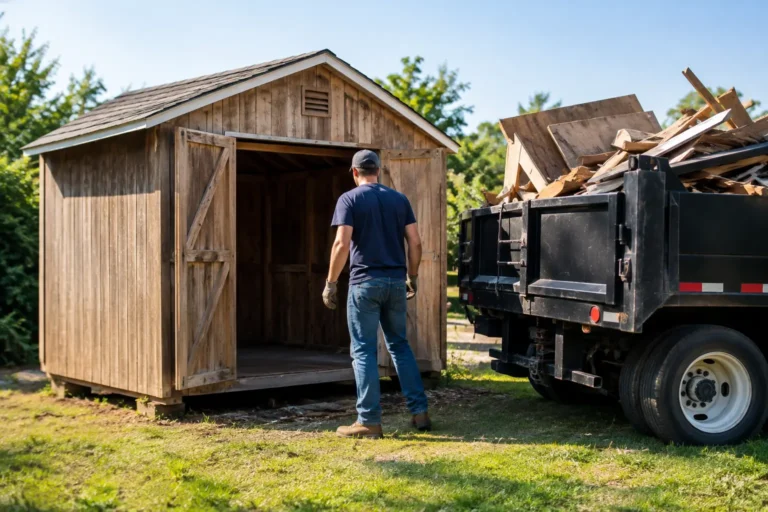
For example, removing loose furniture, old carpet, cabinets that are not part of a structural change, or a pile of construction debris is generally a hauling and disposal job. Taking down a detached shed, demolishing a garage, removing a deck, or gutting major portions of a kitchen or bathroom may trigger permit requirements depending on the scope and local code.
A permit is not simply paperwork for the sake of paperwork. Local building departments use it to confirm that demolition will be done safely, that utility lines are addressed, and that work will not create hazards for neighbors, workers, or the property itself. Older homes can add another layer of concern because lead-based paint, asbestos-containing materials, or outdated wiring may require specialized handling.
Full Demolition and Interior Demolition Are Different
Full structural demolition is the clearest case. If a house, commercial building, detached garage, or similar structure is coming down, expect permits, utility disconnections, and site-specific requirements. The owner or contractor may also need to provide a demolition plan, erosion-control measures, or documentation that water, power, gas, and sewer service have been safely disconnected.
Interior demolition can be less straightforward. Removing non-load-bearing finishes during a remodel may need little more than the permits associated with the renovation itself. But removing walls, relocating plumbing, opening ceilings, changing electrical circuits, or altering ventilation often requires building, electrical, plumbing, or mechanical permits.
That distinction matters when planning a kitchen, bathroom, basement, or office cleanout. A team can remove old cabinets, fixtures, flooring, drywall, and debris efficiently, but permit responsibility usually starts with the property owner or the contractor directing the renovation. Never assume that calling a job interior demolition means it is automatically permit-free.
Projects That Often Need a Permit or Approval
Local rules vary, but these projects commonly warrant a call to the local permitting office before demolition begins:
- Complete removal of a home, commercial building, garage, or other permanent structure
- Demolition of a detached shed, accessory structure, deck, porch, or carport
- Removal of load-bearing walls or major structural components
- Work involving electrical, plumbing, gas, HVAC, or utility disconnection
- Demolition connected to a larger addition, remodel, or rebuilding project
- Work on properties in historic districts or communities with HOA restrictions
A deck is a good example of why details matter. A small, low platform may be treated differently than an elevated deck attached to a home. The same is true for sheds. A lightweight, prefabricated storage unit may have different requirements than a large, wired structure on a permanent foundation.
Start With the Correct Local Authority
Charlotte properties may fall under City of Charlotte, Mecklenburg County, or another local jurisdiction based on the address and the type of work. Customers in Matthews, Gastonia, Concord, Rock Hill, and nearby communities should check with their own city or county building department rather than relying on rules from a neighboring town.
When you call, be ready to describe the project clearly. Explain whether the work is full removal or partial removal, whether the structure is attached to the main building, whether any utilities serve it, and what will be built afterward. Photos, approximate dimensions, and property records can help the permitting staff give a more accurate answer.
If you are hiring a general contractor, ask a direct question before work starts: Who is pulling the permit, and which permits are included in the scope? Do not assume it is covered because a contractor mentioned demolition. Get the answer in writing along with any inspection responsibilities.
Do Not Overlook Utility Disconnects
Utility safety is one of the biggest reasons demolition projects require planning. Gas, electric, water, sewer, cable, and communication lines can remain connected even when a building has not been used in years. Cutting into a wall, removing a structure, or digging around an old service line without proper verification can create a serious hazard.
For full building demolition, utilities generally need to be disconnected or capped through the proper providers and according to local requirements. For smaller projects, electrical service to a shed, deck lighting, outdoor outlets, irrigation lines, or gas connections still deserves attention.
This is also where a careful site walkthrough pays off. Before debris removal is scheduled, identify what is staying, what is being removed, and whether any materials need special handling. Clear access and a defined work area make the job safer, faster, and easier to price accurately.
HOA Rules and Historic Requirements Can Add Another Step
A permit from the city or county does not replace private property rules. If your home is part of an HOA, architectural approval may be required before removing a fence, shed, deck, exterior feature, or other visible structure. An HOA may set requirements for work hours, dumpster placement, contractor access, and replacement plans.
Historic districts and older designated properties can have additional review requirements as well. Exterior changes, demolition, and reconstruction may be subject to rules designed to preserve neighborhood character. These approvals can take time, so they should be part of the project schedule from the beginning, not an afterthought once materials and crews are booked.
Permit Approval Does Not Solve the Debris Problem
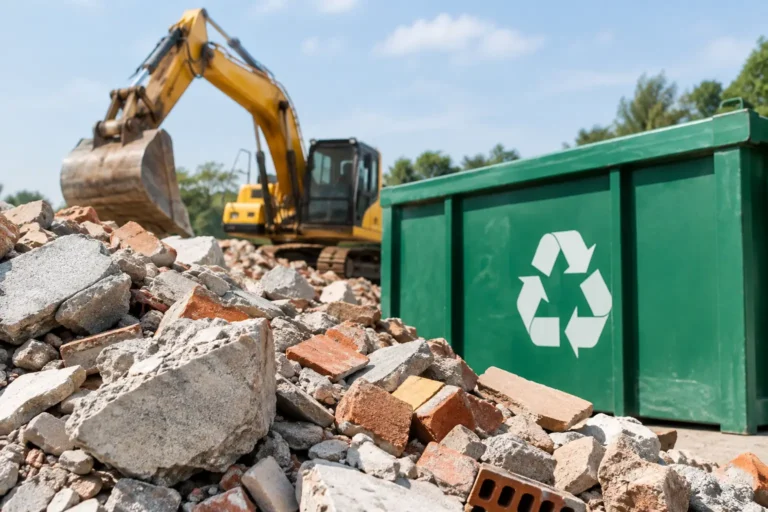
Even with permits in hand, demolition creates a practical question: where does everything go? Wood, drywall, insulation, cabinets, carpet, fixtures, concrete, metal, appliances, and yard waste all need to be removed from the site safely and according to disposal rules.
A full-service removal crew can be especially helpful after a permitted project, when the priority is clearing the site without leaving piles in a driveway, garage, or curbside area. Local Loop Junk Troop handles the labor of loading and hauling common demolition debris, furniture, fixtures, and bulky materials, with upfront pricing and an orderly cleanup process. Reusable items may be directed toward donation or recycling when appropriate, while materials that require specialized disposal should be identified before pickup.
Keep in mind that hazardous materials are a separate issue. Suspected asbestos, lead-contaminated debris, chemicals, fuels, paint, and certain electronic or refrigeration components may not belong in a standard debris load. If the home is older or the material is questionable, pause and ask a qualified professional what testing, abatement, or disposal method is required.
A Simple Way to Plan Without Delays
Start by defining the exact demolition scope. Next, contact the local building or permitting office and ask what approvals, utility steps, and inspections apply to that scope. Then confirm HOA or historic-district requirements if relevant. Once the approval path is clear, schedule the demolition and make a plan for debris removal that matches the volume and material type.
This order protects your timeline. It is much easier to book hauling after you know whether a project will be completed in one day, phased over a week, or delayed for an inspection. It also prevents a common problem: paying to clear a site before the permitted work is actually ready to proceed.
What if I only need an old shed removed?
It depends on the shed’s size, foundation, utility connections, and local jurisdiction. A small portable shed may be simpler than a wired or permanently anchored structure, but a quick permit check is still worthwhile.
Can a junk removal company pull my demolition permit?
That depends on the company, license requirements, and scope of work. For many projects, the property owner or general contractor handles permitting. Ask early so there is no gap between demolition planning and legal approval.
What happens if demolition starts without a required permit?
Possible consequences include a stop-work order, fines, added inspection requirements, and delays to a sale, refinance, or renovation. Correcting unpermitted work can cost more than checking requirements first.
The fastest projects are not the ones that skip the preparation. They are the ones that confirm the rules, secure the right approvals, and have a dependable plan to clear the debris as soon as the work is complete.