
A move can leave more behind than boxes. Old sectionals that will not fit through the next apartment door, a garage full of forgotten tools, a broken refrigerator, and bags of donation-worthy items can turn moving day into a disposal problem. The best moving cleanout services take that work off your plate with a crew that can sort, lift, load, haul, and dispose of unwanted items responsibly.
For homeowners, renters, landlords, and property managers, the right service is not simply the company with the biggest truck. It is the one that can arrive when needed, explain the price clearly, protect the property, and leave the space ready for its next chapter.
What Moving Cleanout Services Should Handle
A full-service moving cleanout is built for the items that moving companies may not take and regular trash pickup will not accept. That can include furniture, mattresses, appliances, electronics, exercise equipment, boxes of household goods, yard debris, and general clutter from closets, attics, basements, sheds, and garages.
The service should also fit the type of move. A renter may need a few bulky items removed before a lease ends. A family preparing to downsize may need an entire home sorted over several days. A landlord facing a turnover may need a unit cleared quickly so repairs and cleaning can begin. The scope is different, but the value is the same: no heavy lifting, no rental truck, and no guessing where each item should go.
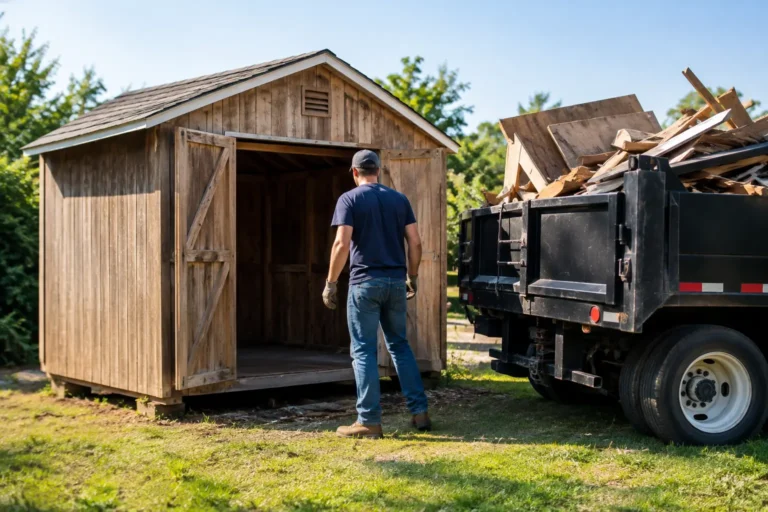
Some jobs call for more than hauling. If old cabinets, carpeting, a deck, a shed, or a built-in fixture must come out before the move or sale, ask whether the company provides light demolition or deconstruction. Keeping removal and hauling with one dependable crew can prevent scheduling gaps and extra coordination.
How to Choose the Best Moving Cleanout Services
The best provider depends on your timeline, the amount of material, and whether you need specialty removal. Still, a few practical standards separate a smooth cleanout from a stressful one.
Look for transparent, on-site pricing
A reliable company should explain how it prices the job before work begins. Many cleanouts are priced by how much space the items take up in the truck, along with labor and disposal requirements. Specialty items, unusually heavy materials, or difficult access may affect the quote, so it is reasonable to ask about those factors upfront.
Be cautious with vague estimates that do not explain what is included. You should know whether loading, hauling, basic cleanup, and disposal are part of the price. An on-site quote is especially useful for full garages, estate cleanouts, and mixed loads because the crew can see the actual volume and access conditions.
Confirm the crew does the labor
A moving cleanout should not mean dragging a couch to the curb before help arrives. Full-service removal means the team handles the lifting, carrying, loading, and hauling from wherever the items are located. That matters when furniture is upstairs, appliances are in a tight laundry room, or accumulated belongings fill an attic.
Ask how the crew handles stairs, narrow hallways, elevators, gates, and long carry distances. A professional team will assess the route and work carefully around walls, floors, door frames, and landscaping. If an item cannot safely come out in one piece, they should discuss the best removal plan before starting.
Ask about donation, recycling, and disposal
Not everything in a moving cleanout belongs in a landfill. Usable furniture, household goods, and other acceptable items may be suitable for donation. Metal, cardboard, electronics, and certain appliances can often be recycled through the appropriate channels.
No company can promise that every item will be donated or recycled, since condition, local acceptance rules, and disposal regulations all matter. But a provider should have a responsible process and make a real effort to divert reusable and recyclable materials when possible. This is particularly valuable during estate cleanouts and downsizing projects, where many belongings still have useful life.
Check scheduling against your real deadline
Move-out dates are not flexible for everyone. Lease deadlines, closing dates, contractor schedules, and property turnovers can create real pressure. Ask about same-day or next-day availability if the job is urgent, but book ahead when you can, especially for a whole-home cleanout or a job that requires demolition.
It also helps to schedule the cleanout after you have set aside what is moving with you. Removing items too early can create confusion. Waiting until the final hour, however, can leave you with an overloaded garage and no time to make decisions. For many moves, the best window is after packing is mostly complete but before final cleaning and key handoff.
Prepare Without Doing the Heavy Lifting
A little preparation helps the crew work faster, but it should not become another major project. Start by clearly identifying what stays, what moves, and what goes. If you are cleaning out a family member’s home or managing an estate, get agreement from the decision-makers before removal day whenever possible.
Remove personal documents, medications, cash, jewelry, and sentimental items from the areas being cleared. Check drawers, filing cabinets, nightstands, and old storage boxes carefully. If items are being donated, separate those from trash when practical, though a good crew can help identify obvious donation candidates during the walkthrough.
For a more efficient appointment, make sure the crew can access driveways, gates, garages, elevators, or loading areas. Let them know about parking restrictions, pets, or building rules ahead of time. These details are small, but they keep the work orderly and help avoid delays.
When a Cleanout Is Better Than DIY Disposal
DIY hauling can work for a small curbside load if you have a vehicle, time, and a clear disposal plan. It becomes less practical when the job involves multiple rooms, heavy furniture, large appliances, construction debris, or items that require different disposal methods.
Consider the full cost of doing it yourself: truck rental, fuel, dump fees, loading time, multiple trips, and the risk of injury or property damage. A professional crew can often clear a packed room, garage, office, or rental unit in a fraction of the time it takes to organize a weekend of trips.
The difference is even clearer for difficult situations. Hoarder cleanouts, foreclosure cleanouts, assisted living transitions, and post-renovation debris removal require a respectful, steady approach. The right team works efficiently without treating a sensitive situation like just another pile of junk.
Moving Cleanout Needs That Often Get Missed
Before booking, walk through the property one final time. People commonly remember the living room furniture and forget the patio set, old grill, spare refrigerator, worn-out mattress, broken shelving, paint cans, or shed contents. Commercial moves have their own overlooked items, including old desks, chairs, display fixtures, breakroom appliances, boxes of files, and warehouse debris.
Mention specialty items when requesting an estimate. Pianos, hot tubs, playsets, large safes, RVs, and certain appliances may require additional planning, equipment, or crew members. Being specific from the start leads to a more accurate quote and a safer removal day.
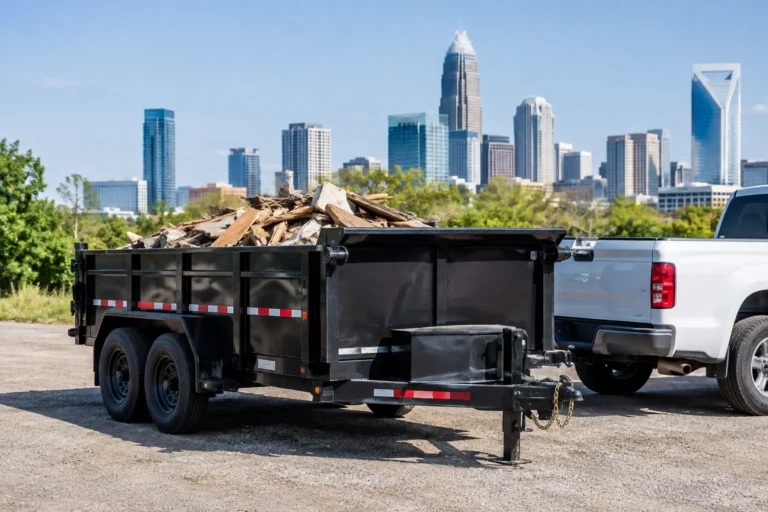
For Charlotte-area moves and cleanouts, Local Loop Junk Troop provides full-service hauling with upfront pricing and a responsible disposal approach. Whether the job is a single bulky item or a property-wide cleanout, the goal should be simple: clear the space without adding more work to an already demanding move.
A good moving cleanout gives you room to focus on the address ahead, not the items left behind. Set aside what matters, communicate the deadline and access details, and choose a crew prepared to handle the rest with care.