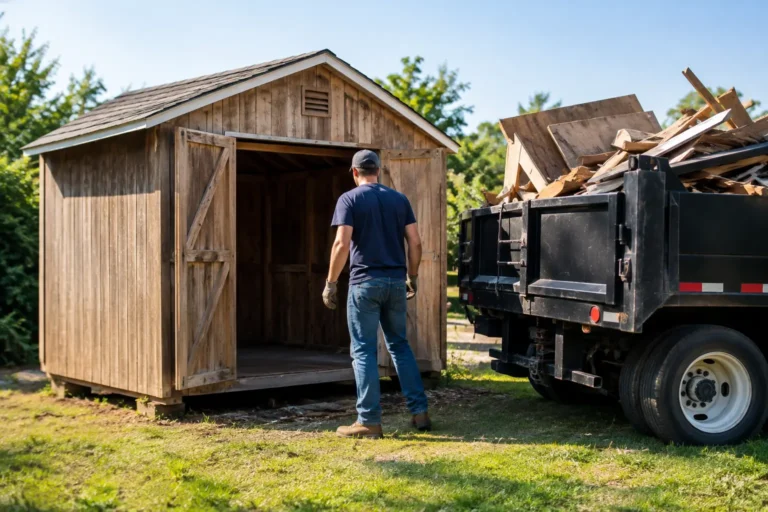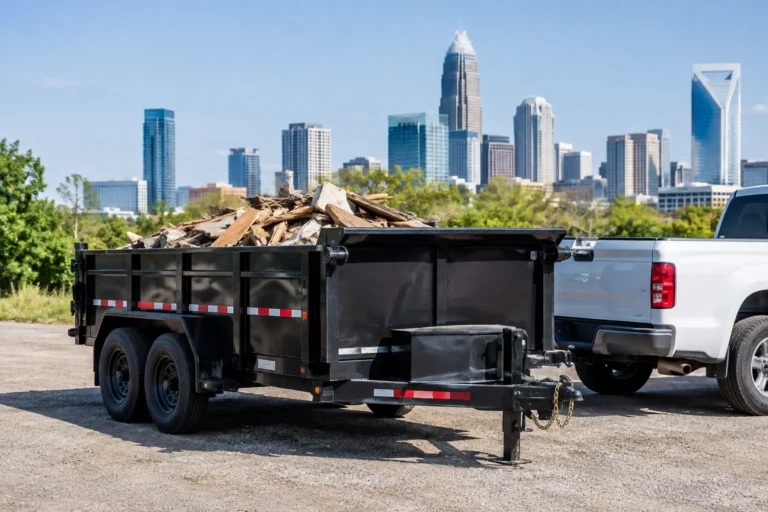

A dumpster can be useful when debris is piling up over several days, but it is not always the easiest answer. When comparing dumpster rental alternatives, Charlotte homeowners, landlords, and businesses often find that a full-service option saves more time, protects the property, and eliminates the hard part: loading everything yourself.
The right choice depends on what you are removing, how much space you have for a container, and whether you can safely move heavy items. A garage cleanout with old furniture is a very different job from a roofing project or a major interior renovation. Here is how to choose a disposal plan that fits the job instead of creating more work.
When a Dumpster Is Not the Best Fit
A rented dumpster usually arrives as an empty container and stays on-site for a set rental period. You fill it, then the rental company picks it up. That arrangement can work well for ongoing demolition debris, but it comes with practical limits.
You need a clear, accessible place to set the container. In many Charlotte neighborhoods, that means using a driveway, which can block vehicles and may require protection for the pavement. Apartments, townhomes, narrow lots, and properties with HOA restrictions can make placement even harder. Some locations may also require approval or a right-of-way permit if the dumpster needs to sit near a street.
Then there is the labor. Mattresses, appliances, sectional sofas, old office furniture, wet yard debris, and construction materials get heavy quickly. If you do not have a crew, truck, and time to sort disposal rules, an empty dumpster may be less convenient than it first appears.
1. Full-Service Junk Removal
For most one-time cleanouts, full-service junk removal is the most direct alternative. Instead of receiving a container, you receive a trained team that comes to the property, provides an on-site quote, does the lifting, loads the truck, and hauls the material away.
This approach is especially useful for estate cleanouts, move-out cleanups, eviction or foreclosure turnovers, garage and attic cleanouts, appliance replacement, and bulky furniture removal. It also makes sense when the items are spread throughout the house, stored upstairs, or located in a backyard where a dumpster would not help much.
The main advantage is that you do not need to estimate container size or spend a weekend filling it. A professional crew can remove a few items or clear an entire space, often in one visit. At Local Loop Junk Troop, the goal is to keep the process straightforward with on-site pricing, careful loading, and responsible disposal through recycling and donation whenever possible.
Full-service hauling may cost more than a small dumpster if you have a large amount of light, easy-to-load debris and plenty of labor available. But for heavy, awkward, or mixed materials, it can be the better value because labor, hauling, and disposal are handled for you.
Best for items that need muscle and care
Choose full-service removal when you have furniture, appliances, exercise equipment, pianos, hot tubs, old sheds, playsets, or piles of mixed household junk. It is also the safer option when stairs, tight hallways, or a limited driveway make DIY loading difficult.
2. Charlotte Bulk Collection and Municipal Drop-Off Options
Municipal bulk pickup can help with a small number of acceptable household items, particularly when you are not in a rush. Depending on your address and service provider, collection schedules, preparation rules, item limits, and accepted materials can vary.
This can be a low-cost option for a single chair, a few bagged items, or limited yard waste. The trade-off is timing. You may need to wait for a scheduled collection day, move everything to the curb yourself, and make separate arrangements for items the program will not take.
Municipal options are generally not designed for a full household cleanout, a rental turnover, or renovation debris. They may also exclude electronics, paint, chemicals, refrigerators, mattresses, and oversized items. Before placing anything at the curb, confirm the current rules for your location. Leaving unaccepted materials out can create a code issue, obstruct a sidewalk, or leave your property looking unfinished while you search for another solution.
3. Donation Pickup for Reusable Items
If your unwanted belongings are clean, functional, and still useful, donation may be a better destination than a dumpster. Dressers, tables, usable appliances, office chairs, clothing, kitchenware, and home goods can sometimes serve another family or support a local charitable organization.
Donation is not a catch-all disposal method. Most organizations have condition standards and may decline damaged, stained, broken, recalled, or incomplete items. Pickup availability can also be limited, and many donation services will not enter a home, carry items down stairs, or take mixed piles that include trash.
A good approach is to separate clearly reusable items from material that has reached the end of its life. That takes a little extra sorting, but it keeps useful goods out of the landfill and makes the final removal more efficient. For time-sensitive cleanouts, a full-service hauling team can help identify donation-worthy items while removing the rest responsibly.
4. Self-Haul With a Pickup or Trailer
Borrowing a truck, renting a trailer, or making runs to a disposal facility can work for smaller projects. It gives you control over the timeline and can be economical if you already have the vehicle, help, and proper equipment.
The costs are not always as simple as a disposal fee. Consider trailer rental, fuel, mileage, dump charges, straps, tarps, protective gear, and the time spent loading and unloading. You also need to know where each material can go. Construction debris, yard waste, electronics, appliances, and hazardous household products may have different drop-off requirements.
Self-haul is a reasonable choice for a few bags of debris, a small brush pile, or a project where you are already making a trip. It becomes less practical when you need multiple loads, are working under a deadline, or cannot safely lift the material. One overloaded trailer or unsecured load can turn a simple cleanup into a costly problem.
5. Bagged Debris Collection Services
For light renovation debris, some homeowners use heavy-duty collection bags that are filled on-site and later collected by a separate service. These bags take up less room than a roll-off dumpster and can be useful for gradual projects such as flooring removal, bathroom updates, or minor landscaping work.
They are not ideal for everything. Weight limits still apply, collection may not be immediate, and bulky items may not fit. A bag does not solve the problem of removing a refrigerator, a large couch, or a stack of heavy concrete. It also requires you to do all loading and place the bag where the collection truck can access it.
This option works best when debris is relatively light, the project is small, and you want to add material over time without placing a full container in the driveway.
How to Choose the Right Alternative
Start with the material. Clean household goods may be worth donating. A few curb-eligible items may fit municipal pickup. Small loads can be self-hauled. Mixed junk, heavy furniture, appliances, and time-sensitive cleanouts usually call for full-service removal.
Next, look at labor and access. If you have to carry items from a second-floor apartment, clear a packed garage, or remove debris after a contractor finishes, calculate the value of having a crew handle the work. The lowest advertised disposal price is not always the lowest total cost once you add rental days, loading time, fuel, and the risk of property damage or injury.
Finally, consider your deadline. Property managers preparing for a new tenant, families handling an estate transition, and homeowners trying to reclaim a room often need the space cleared now, not after the next collection date. Same-day or prompt hauling can make that timeline manageable without turning the cleanup into a multi-day project.
The best disposal option is the one that leaves your property clean, your schedule intact, and your unwanted items handled the right way. If the job involves more lifting, sorting, or hauling than you want to take on, bringing in a local removal team can be the simplest way to get your space back.