An old RV can take up more than a parking spot. It can delay a home sale, create an HOA issue, occupy a rental property driveway, or become one more major task during an estate cleanout. The right RV removal and disposal options depend on the vehicle’s condition, title status, location, and whether it can still be safely moved.
For some owners, a private sale makes sense. For others, hauling away a damaged, non-running, or waterlogged camper is the faster and more practical choice. The goal is not simply to get the RV out of sight. It is to clear the space safely, handle the paperwork correctly, and send reusable materials to the right place whenever possible.
Start With the RV’s Condition and Paperwork
Before arranging removal, take an honest look at what you have. A clean, roadworthy travel trailer with working systems may still have resale value, even if it needs cosmetic work. A motorhome with a failed engine, extensive roof leaks, soft floors, missing parts, or mold damage may be worth more as a scrap or salvage candidate than as a project vehicle.
The title matters just as much. In North Carolina, selling, donating, or transferring ownership of an RV commonly requires a valid title. If the title is missing, the vehicle is still financed, or the VIN is difficult to read, resolve those issues before choosing a buyer or removal provider. A reputable service should be clear about what documentation it needs and should never encourage an informal handoff that leaves you responsible for the vehicle later.
Also consider access. Is the RV on a paved driveway, behind a gate, beside a garage, or sunk into soft ground? Can a tow vehicle reach it without damaging landscaping, fencing, or utility lines? Photos and basic measurements help a removal team plan the right equipment and avoid surprises on service day.
RV Removal and Disposal Options to Consider
There is no one best answer for every unwanted RV. The most cost-effective route can change quickly based on age, damage, local demand, and how urgently you need the space cleared.
Sell a usable RV privately
If the RV starts, rolls, has a clear title, and is in reasonable shape, selling it yourself may bring the highest return. Clean out personal items, gather maintenance records, disclose known defects, and price it for its actual condition rather than what similar restored units cost.
This option takes time. You will need to answer calls, meet potential buyers, and deal with no-shows or low offers. It works best when you are not under a deadline and the RV is desirable enough to attract serious buyers.
Sell it to a dealer, salvage buyer, or recycler
A dealer may buy a newer or functioning RV, though the offer will usually be lower than a private-party sale. Salvage buyers can be a better fit for wrecked, non-running, or heavily worn units that still contain valuable components, metal, appliances, or parts.
Recycling is often the right direction for an RV that has reached the end of its useful life. RVs are more complicated than a pile of scrap metal. They may contain propane tanks, batteries, fuel, fluids, wiring, tires, fiberglass, treated wood, and appliances. Those materials need to be separated and handled according to the receiving facility’s requirements.
Donate an RV that still has practical use
Donation can be worthwhile when an RV is safe, titled, and usable but no longer fits your needs. Some charitable programs accept certain campers or motorhomes, while others only take newer units in working condition. Ask whether the organization handles pickup, title transfer, repairs, and any tax documentation before committing.
Do not assume donation is available for every RV. Severe water damage, structural problems, pest issues, or missing major components can make a unit unsuitable for donation.
Arrange professional hauling and disposal
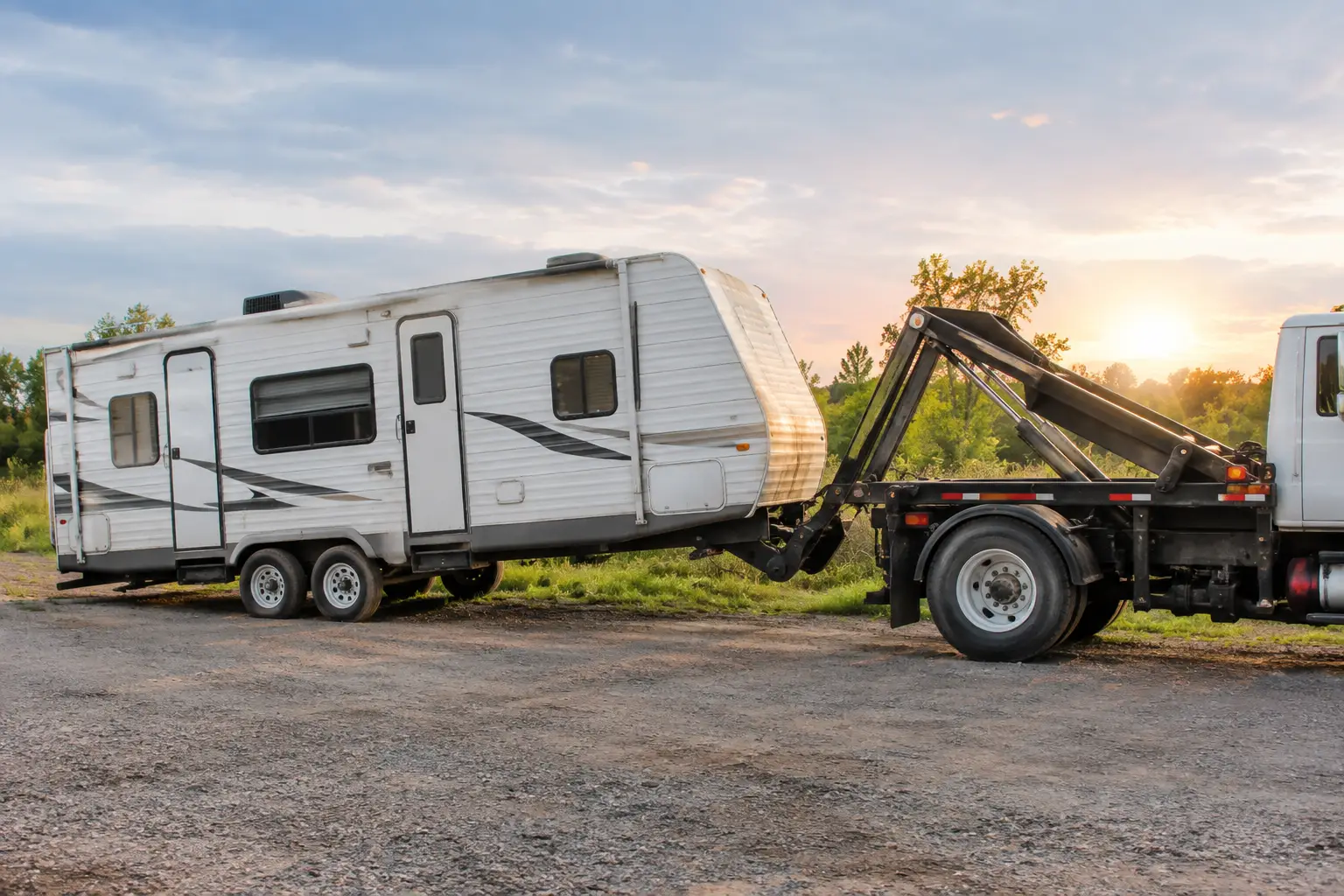
Professional hauling is often the simplest answer for a non-running trailer, abandoned camper, or RV that needs to be removed quickly from residential or commercial property. A full-service crew can assess access, coordinate loading or towing needs, remove loose contents, and transport materials to appropriate disposal, recycling, or recovery locations.
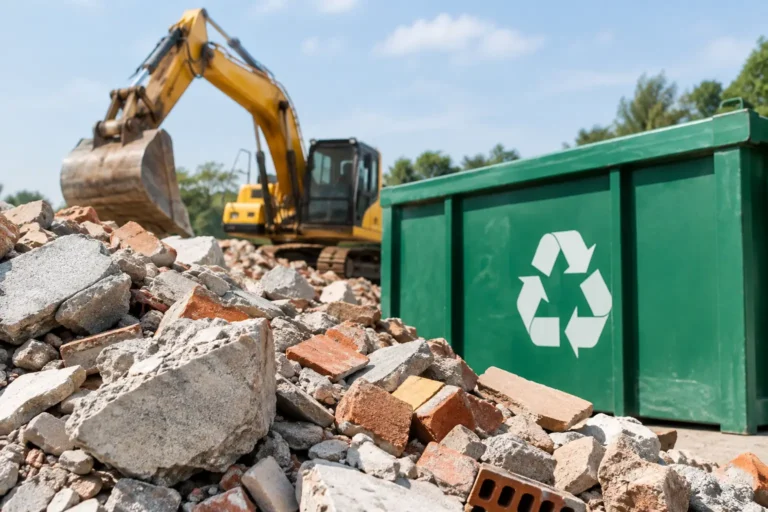
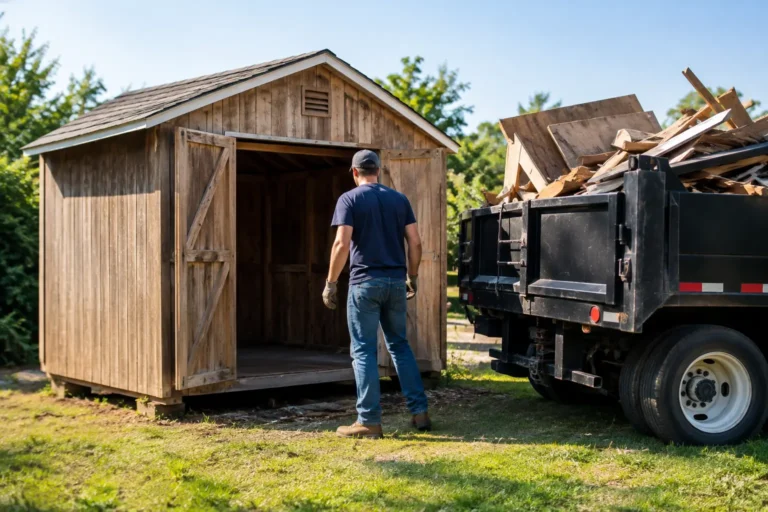
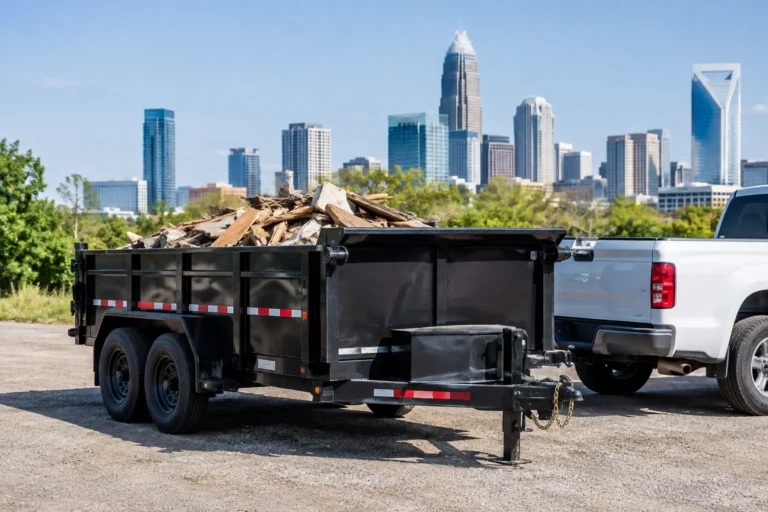
This is especially helpful when the RV is part of a larger cleanup. A property manager may need an old camper removed along with furniture, yard debris, tires, and abandoned belongings. A homeowner preparing for a sale may need a dilapidated RV, shed contents, and construction debris cleared on the same visit. Combining work can save time and keep the property cleanup organized.
What Affects the Cost of RV Removal?
Upfront pricing should reflect the actual scope of the job, not a vague estimate that changes after the crew arrives. RV removal costs can vary based on size, condition, location, disposal fees, labor, and whether specialized towing or dismantling is required.
A lightweight pop-up camper on an accessible driveway is a very different job from a 35-foot motorhome with flat tires sitting behind a home. Costs can also rise if the RV is packed with household items, has hazardous materials left inside, or requires debris to be removed before it can be moved.
When requesting a quote, share the RV’s approximate length, type, whether it rolls, whether the tires hold air, and whether you have the title. Mention obstacles such as narrow gates, steep driveways, low-hanging branches, or soft ground. Clear details lead to a more accurate quote and a smoother removal day.
Prepare the RV Before Pickup or Transfer
A little preparation protects you and makes the process faster. Remove personal belongings from every compartment, including glove boxes, exterior storage bays, cabinets, and under-seat areas. Check for documents, medications, tools, keys, plates, toll tags, and sentimental items that may have been forgotten during years of ownership.
If the RV is being sold or donated, follow the buyer’s instructions for plates, insurance, and title transfer. If it is headed for dismantling or disposal, tell the removal provider about propane cylinders, fuel, generators, batteries, solar equipment, or other special components. Never puncture tanks, drain fluids onto the ground, or attempt to dismantle a compromised RV without the right tools and knowledge.
It is also smart to photograph the RV before it leaves the property and keep copies of transfer or disposal paperwork. This creates a clear record that the vehicle is no longer in your possession.
When an RV Has Been Abandoned on Your Property
Abandoned RVs require extra care. Landlords, HOAs, storage facilities, and commercial property owners should not simply tow away a vehicle because it appears unused. Ownership, lien, notice, and towing rules can apply, particularly if the RV is titled or was left by a tenant.
Document the RV’s condition, license plate if present, VIN if visible, and the date it was discovered. Review your lease, community rules, or property policies, then follow the appropriate notice process before removal. If the RV blocks access, creates a safety issue, or presents an environmental concern, act promptly through the proper channels rather than letting the problem grow.
For Charlotte-area property cleanouts, Local Loop Junk Troop can help evaluate the hauling side of an unwanted RV removal project and clear related junk, debris, or bulky items from the property. The best plan starts with a straightforward assessment of what can be moved, what needs special handling, and what needs to happen first.
Choose the Option That Clears the Problem Responsibly
Keeping an unusable RV indefinitely rarely makes the situation easier. Tires deteriorate, leaks spread, pests move in, and the vehicle can become harder and more expensive to remove over time. If it has resale potential, act while it can still attract a buyer. If it does not, choose a documented disposal path that respects your property, your schedule, and the materials inside the RV.
A clear title, honest condition details, and a qualified removal plan turn an oversized burden into usable space again.