A broken sectional in the living room, old mattresses in the garage, a refrigerator that quit working, and bags of renovation debris can turn one simple question into a major project: junk hauling vs self haul. The cheaper option is not always the one with the lowest first price. Once you factor in truck rental, disposal fees, fuel, labor, time, and the risk of damage or injury, the better choice depends on what you are removing and how quickly the space needs to be clear.
For a few lightweight items that fit in a vehicle, self haul can make sense. For bulky furniture, appliances, cleanouts, demolition debris, or time-sensitive property turnover, full-service junk removal often delivers better overall value and a lot less stress.
Junk Hauling vs Self Haul: Start With the Real Cost
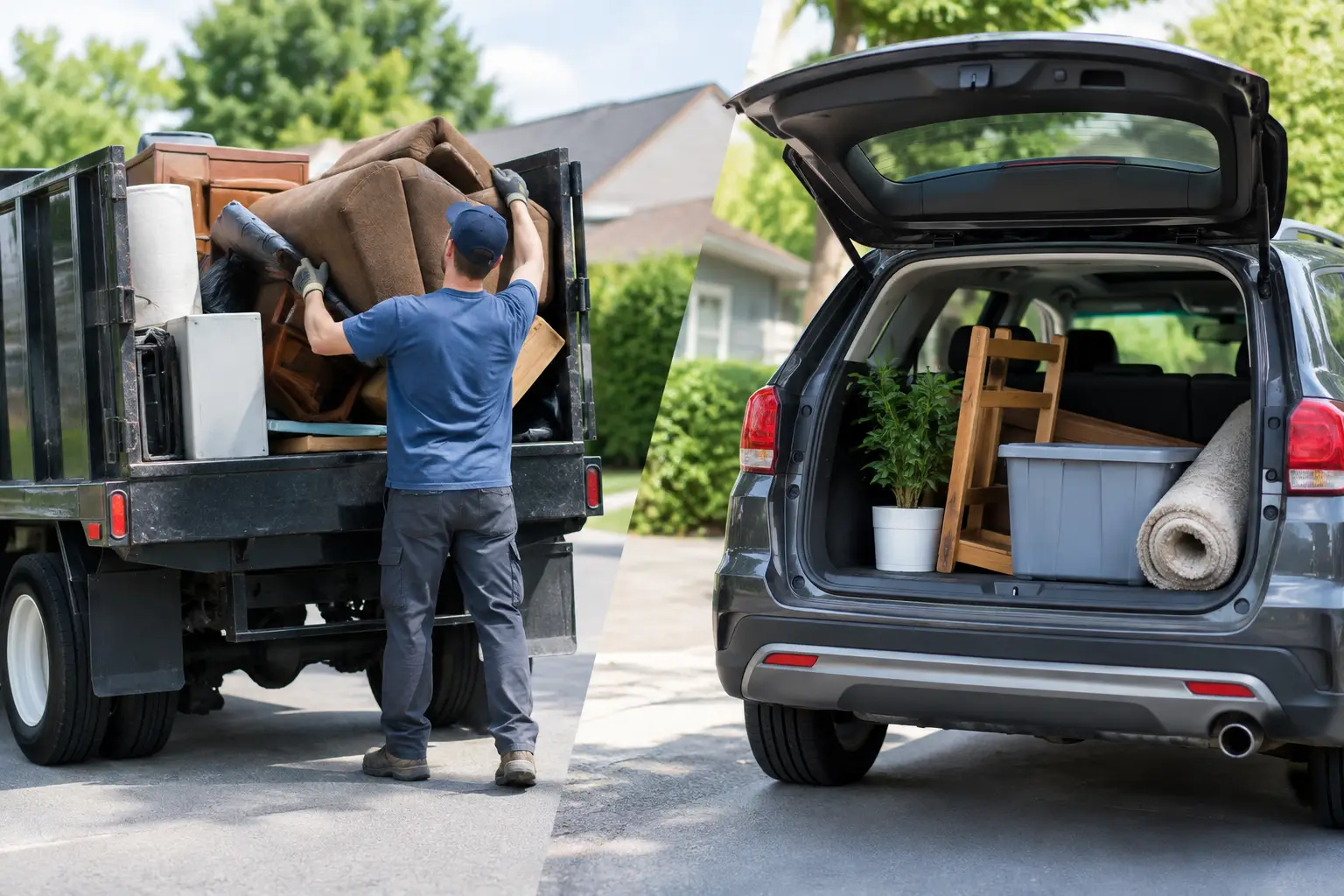
Self hauling appears inexpensive because you are doing the work yourself. If you already own a pickup truck, have help available, and know where every item can be accepted, your out-of-pocket cost may be limited to fuel and disposal fees. That can be a reasonable route for a small load of yard waste, a few moving boxes, or items that can be safely lifted and secured.
But most cleanup jobs are not that simple. A garage cleanout may require several trips. A sofa may not fit in your truck bed. An old appliance may have disposal restrictions. Construction debris can be heavy enough to overload a personal vehicle long before the pile looks substantial.
The true self-haul cost often includes truck or trailer rental, mileage charges, fuel, landfill or transfer station fees, protective supplies, and your time. You may also need to pay for extra hands if items are too heavy to move safely. If a load is rejected because it contains prohibited materials or is not sorted properly, you could be making another trip with the same junk still in the truck.
Full-service hauling is priced around the amount of space your items take up, along with the labor and disposal requirements involved. An on-site quote should account for loading, hauling, sorting, donation or recycling opportunities, and final disposal. The price may be higher than one trip to the dump, but it can be a better value when a crew handles the heavy lifting from start to finish.
When Self Haul Makes Sense
Self haul works best when the job is truly small, manageable, and flexible. Think of a few bags of household clutter, flattened cardboard, small electronics accepted at a local recycling site, or branches that your municipality collects through a scheduled yard-waste program.
It is also a practical choice when you already have the right vehicle and equipment. A homeowner with a pickup, tie-down straps, gloves, and a free Saturday may be well positioned to dispose of a single small load. The key is to be honest about the scope before you start. What looks like one truckload in the garage can become three loads after you pull everything into the driveway.
Before choosing this route, confirm where each item can go. Donation centers have condition standards. Recycling facilities may accept some materials but not others. Landfills and transfer stations can have hours, load limits, and separate rules for tires, paint, batteries, refrigerators, televisions, and hazardous materials.
Self haul is less appealing when the cleanup has a deadline. If you are preparing for a home sale, turning over a rental, handling an eviction, clearing an office, or helping a family member move into assisted living, your time has value. Spending two days sorting, loading, driving, unloading, and cleaning up afterward can cost more than it saves.
When Full-Service Junk Hauling Is Worth It
Professional hauling is built for jobs that require labor, logistics, and fast results. The clearest example is bulky furniture. Couches, entertainment centers, dressers, recliners, mattresses, and bed frames can be awkward even when they are not exceptionally heavy. Getting them down stairs, through narrow doorways, or around tight corners without damaging walls and floors takes more than muscle.
Appliances are another common reason to call a hauling crew. Refrigerators, washers, dryers, dishwashers, and stoves are heavy, difficult to maneuver, and may require special handling. A crew can remove them safely, keep the work area orderly, and make sure they are directed to the proper disposal or recycling stream when possible.
Full-service removal is especially useful for larger cleanouts, including estate cleanouts, hoarder cleanouts, attic and garage cleanouts, office cleanouts, and property manager turnover work. These projects often involve a mix of furniture, bagged trash, electronics, household goods, shelving, and materials that need to be separated rather than tossed into one load.
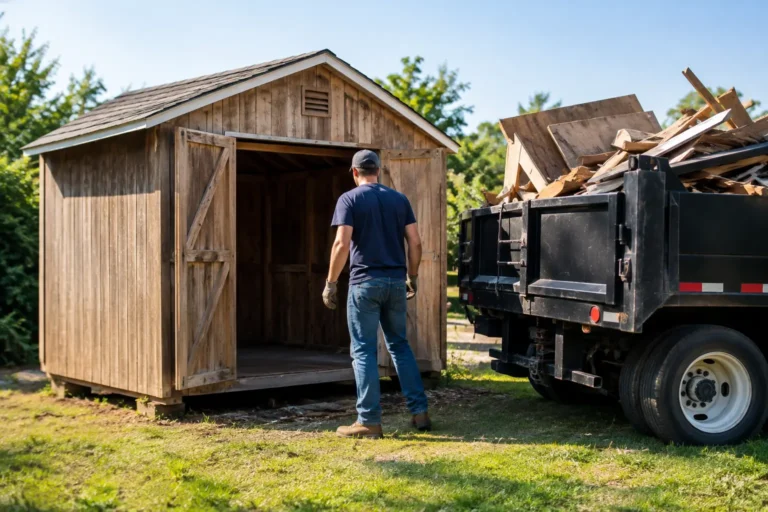
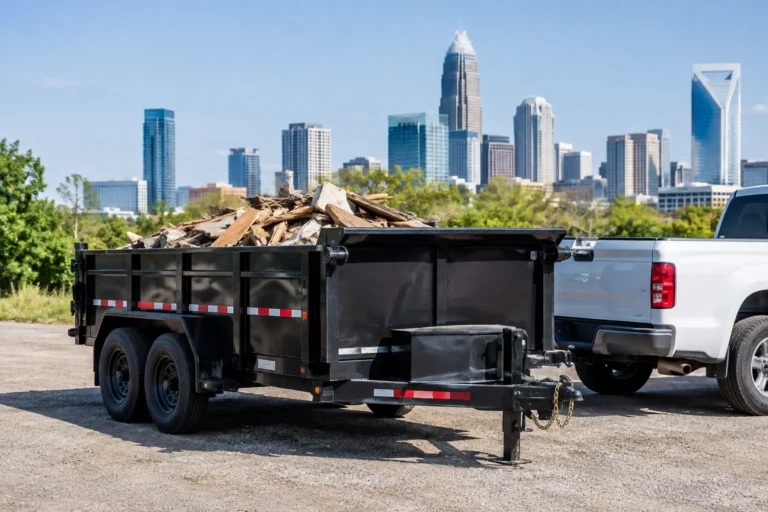
It also becomes the practical option for renovation and demolition debris. Broken cabinets, drywall, flooring, lumber, tile, bathroom fixtures, and deck materials add up quickly. They can be sharp, dusty, heavy, and difficult to transport in a personal vehicle. For a project with multiple debris piles or a fixed contractor schedule, having a team arrive, load, and clear the area can keep work moving.
Local Loop Junk Troop helps Charlotte-area homeowners, landlords, and businesses avoid that bottleneck with labor-inclusive removal, clear on-site pricing, and responsible disposal efforts that prioritize donation and recycling whenever possible.
Time, Safety, and Property Protection Matter
The cost comparison is not only about dollars. Heavy lifting carries real risk, particularly with appliances, pianos, hot tubs, oversized desks, and solid-wood furniture. Back strains, crushed fingers, slips on stairs, and cuts from damaged materials are common DIY hazards. One urgent-care visit or one damaged wall can erase the savings from self hauling.
A professional crew brings the manpower and moving approach needed for difficult items. That matters when a refrigerator must come down a flight of steps, when a sectional needs to be taken apart, or when a cluttered garage leaves little room to maneuver. Responsible crews protect the work area, remove items efficiently, and sweep up loose debris after loading.
Your vehicle deserves consideration, too. Overloading a pickup or SUV can create unsafe driving conditions and damage the suspension, interior, or cargo area. Loose items are also a road hazard. If you do self haul, use proper tie-downs, stay within your vehicle’s load rating, and never stack a load so high that it blocks visibility.
Disposal Is More Complicated Than “Taking It to the Dump”
Many customers want unwanted items handled responsibly, but that takes planning. A usable dresser may be suitable for donation. Scrap metal, cardboard, certain appliances, and electronics may have recycling options. Paint, chemicals, batteries, propane tanks, and other hazardous materials generally need separate handling and should not be mixed into a standard junk load.
This is where a full-service provider can save substantial time. Instead of researching several facilities and making separate stops, you have a team that understands the local disposal process and can sort materials appropriately. Not everything can be donated or recycled, and no reputable company should promise that it can. The goal is to keep usable and recoverable materials out of the landfill whenever practical while still clearing your space promptly.
For self haulers, sorting ahead of time is the best way to avoid surprises. Keep hazardous materials separate, set aside donation-worthy items, and check facility requirements before loading the truck. A few minutes of planning can prevent rejected loads and unnecessary disposal charges.
A Simple Way to Decide
Choose self haul when you have a small, safe load, the right vehicle, enough time, and a confirmed disposal plan. It can be efficient for minor projects where the work will not disrupt your weekend or create extra trips.
Choose professional hauling when the job involves multiple rooms, heavy or oversized items, stairs, tight deadlines, debris, appliance removal, or a property that needs to be ready quickly. It is also the better fit when you want someone else to handle lifting, transportation, sorting, and cleanup without leaving you to figure out what happens after the truck is loaded.
If you are on the fence, walk through the job as if you were already doing it: How many loads will it take? Who will lift the heaviest item? Where will each material go? How much time can you spare? The answers usually make the right choice clear, and a quick on-site quote can give you a firm number before you commit to doing it yourself.