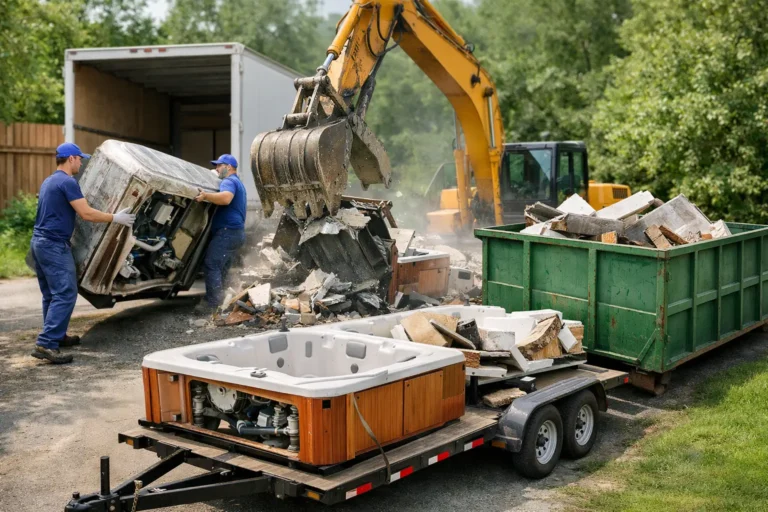

A bathroom demo can be a focused one-day job. A detached shed that looks simple from the driveway can involve electrical disconnects, heavy materials, truck access, disposal fees, and a surprise concrete slab. That difference is why learning how to estimate demolition costs starts with defining exactly what is coming out and what must stay protected.
A dependable estimate is more than a quick square-foot calculation. It accounts for labor, hauling, disposal, safety, access, permits, and the conditions a crew can see only after looking at the site. Whether you are planning a kitchen remodel, clearing a garage, removing a deck, or preparing a rental property for turnover, a clear scope prevents budget surprises and helps you compare quotes fairly.
Start With the Demolition Scope
The first question is not, “What does demolition cost?” It is, “What work is actually included?” Demolition may mean removing a few cabinets and flooring, or it may mean taking a structure down to the foundation and hauling every load away. Those are very different projects.
Write down the area being removed, its approximate dimensions, and the materials involved. For interior work, identify walls, cabinets, countertops, tile, fixtures, flooring, insulation, and appliances. For exterior projects, note decking, framing, roofing, fencing, sheds, concrete, playsets, or attached utilities.
Then define the finish line. Do you need a crew to remove only the materials? Should they load and haul debris? Does the space need to be swept clean for the next contractor? Are you keeping usable fixtures, doors, lumber, or appliances? A quote can appear lower simply because it excludes hauling, cleanup, or disposal.
It also helps to separate demolition from construction. Removing a shower, for example, is demolition. Installing new plumbing, waterproofing, tile, and fixtures is remodeling work. Keeping those scopes separate makes it easier to see where your money is going.
How to Estimate Demolition Costs by Cost Driver
Most demolition estimates are built from several practical cost drivers. The final number depends on the combination, not one factor alone.
Labor and time on site
Labor is usually the largest part of a light demolition project. A crew may need to disconnect components, remove materials in the right order, carry debris out, load trucks, sweep up, and protect nearby surfaces. Dense materials such as tile, plaster, concrete, brick, and old flooring take more time than drywall or basic wood framing.
A second-floor bathroom costs more to clear than a ground-level bathroom with a nearby driveway because every bucket, fixture, and debris load must travel farther. Tight hallways, stairs, elevators, occupied spaces, and limited parking all add handling time.
Material type and debris volume
A small area can create a surprising amount of weight. Tile and mortar, cast-iron tubs, wet carpet, concrete, roofing, and soil can fill a truck quickly. Bulky but lighter materials, such as cabinets, drywall, and wood framing, may take up a great deal of space even when they weigh less.
Ask whether the estimate is based on labor hours, truck volume, weight, a fixed project price, or a combination. For a straightforward deck removal, a fixed price may make sense. For a large cleanout with an unknown amount of debris, pricing based on the volume loaded may be more practical.
Disposal, recycling, and donation
Hauling is not the same as disposal. Disposal facilities charge by material type, weight, or load, and certain items require special handling. Mattresses, tires, appliances, paint, electronics, refrigerants, and hazardous materials may have separate rules or fees.
Clean loads can sometimes be recycled more easily than mixed debris. Metal, cardboard, untreated wood, and usable items may be diverted from the landfill when conditions allow. That is better for the community, but it does not always reduce the job price. Sorting, transporting, and processing materials still require labor. The value is responsible disposal, not a promise that every item will be free to remove.
Access and property protection
A crew needs a safe path from the work area to the truck. Measure gates, note steep driveways, identify low branches, and consider where a truck or trailer can park. If a crew must carry debris through finished living areas, they may need floor protection, dust containment, and extra cleanup time.
Access also affects equipment choices. A backyard shed with wide gate access may be removed with basic hand tools and hauling equipment. The same shed behind a narrow townhouse, near landscaping, or beside a fence may require more careful manual work. Faster is not always better when the goal is to protect the property.
Utilities, permits, and safety risks
Before any structure is opened or removed, confirm whether it has active electrical, gas, water, sewer, cable, or irrigation connections. Utility disconnection is often handled by a licensed trade professional and may not be included in a hauling or demolition quote.
Permit requirements vary by project and local jurisdiction. Interior cosmetic demolition may have different requirements than removing a detached structure, deck, or load-bearing wall. Never assume a permit is unnecessary because a project seems small.
Older materials can introduce additional risk. Suspected asbestos-containing materials, lead-based paint, mold, contaminated soil, fuel tanks, or unknown chemical containers should be assessed before demolition begins. A reputable crew will pause rather than haul away materials that require specialized testing or abatement.
Build a Simple Project Worksheet
Before requesting an on-site quote, gather enough information to make the visit productive. You do not need contractor-level measurements, but photos and basic details reduce guesswork.
Include these details in your worksheet:
- The structure or room being demolished, along with approximate length, width, and height
- Materials to be removed, including flooring, fixtures, roofing, framing, concrete, or appliances
- What stays in place, especially walls, utilities, landscaping, fences, and finished surfaces
- Access conditions, such as stairs, gates, parking distance, elevators, or occupied units
- Your preferred completion date and whether debris hauling and final cleanup are required
Photos should show the full area, close-ups of dense or damaged materials, the route to the exit, and the nearest parking location. If you are a landlord or property manager who cannot be present, clear photos and a written scope are especially useful. They help prevent a crew from arriving to find that the job is larger or more complicated than expected.
Compare Demolition Quotes the Right Way
The lowest quote is only useful when every company is pricing the same job. Read the scope, not just the total.
A solid estimate should explain what is being removed, how debris will be loaded and hauled, whether disposal is included, and what conditions could change the price. It should also identify exclusions, such as utility disconnection, permit fees, hazardous-material abatement, major concrete removal, or repairs after demolition.
Be cautious with vague language such as “starting at” when there is no site inspection or defined load size. Starting prices can be helpful for planning, but they are not a full project budget. An on-site quote is often the fairest option when debris volume, access, or material weight is difficult to judge from photos.
For commercial spaces, ask about scheduling and site coordination. An office, retail suite, restaurant, or warehouse may need work performed outside business hours, with elevator reservations, loading dock rules, or certificate requirements. Those details matter as much as the square footage.
Plan for a Contingency, Not a Surprise
Even a careful estimate should include room for the unknown. Hidden subfloor damage, extra layers of flooring, buried footings, wet materials, inaccessible crawl spaces, and unapproved utility connections can change the labor and disposal needed.
The best approach is to set aside a contingency in your overall project budget and agree in advance on how changes will be handled. Ask the provider to stop and communicate if they discover work outside the written scope. That gives you a choice before additional labor begins.
For many homeowners, the real value of full-service demolition is not just having materials removed. It is avoiding the rental truck, the heavy lifting, the disposal lines, and the uncertainty of where each item belongs. Local Loop Junk Troop provides on-site assessments so Charlotte-area customers can get clear, upfront pricing based on the actual project, not a guess from a single photo.
A good demolition estimate should leave you feeling prepared, not pressured. Take a few photos, define what needs to go, point out access and utility concerns, and ask for the scope in plain language. Once the price matches the work, you can clear the space and move the project forward with confidence.