
A house can be full of furniture, family keepsakes, garage tools, closets of clothing, and decades of everyday belongings. When it needs to be cleared, the estate sale vs cleanout decision is not just about getting items out the door. It affects your timeline, your workload, potential resale income, and how quickly the property can be listed, renovated, rented, or turned over to its next owner.
For many Charlotte-area families, the best answer is not strictly one or the other. An estate sale may make sense for valuable, sellable contents, while a professional cleanout handles what remains afterward. The right choice comes down to the condition of the items, the available time, and how much hands-on work you can reasonably take on.
Estate Sale vs Cleanout: The Core Difference
An estate sale is a short-term retail event held at a home. The goal is to sell furniture, collectibles, housewares, tools, art, jewelry, and other items to buyers who come to the property. A professional estate sale company usually sorts, researches, prices, stages, advertises, staffs, and manages the sale in exchange for a percentage of the proceeds.
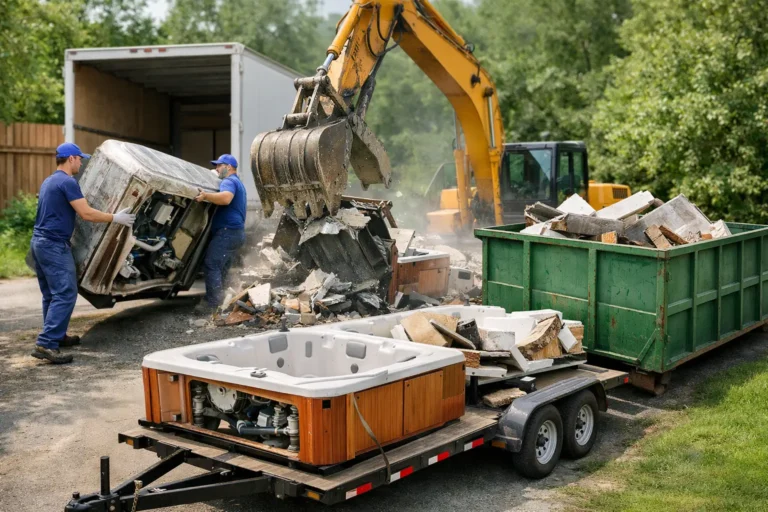
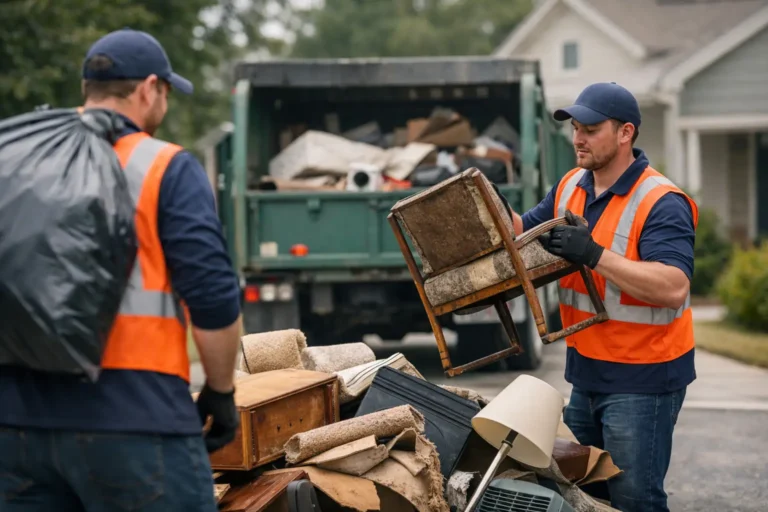
A cleanout is a removal service. A crew sorts through designated items, does the heavy lifting, loads trucks, hauls materials away, and directs usable items toward donation or recycling whenever possible. The goal is a clear, usable space, not a sales event.
That distinction matters. An estate sale can produce money, but it requires items that buyers actually want and enough time to prepare the home. A cleanout costs money, but it creates a fast, predictable path to an empty house without asking family members, landlords, or real estate professionals to manage strangers, pricing, or leftover inventory.
When an Estate Sale Is Worth Considering
An estate sale can be a good fit when the home contains a meaningful amount of quality merchandise. Solid wood furniture, clean vintage pieces, collectible items, working tools, desirable décor, fine jewelry, antiques, and newer appliances may attract buyers. The more concentrated the value, the stronger the case for a sale.
It also helps to have time. Most estate sales need preparation before the public ever arrives. Items must be identified, organized, priced, staged, and marketed. The home needs to be safe for visitors, with clear walkways and reasonable access. Afterward, there may still be unsold belongings, packing materials, and items the sale company does not accept.
An estate sale is often less practical when the home has mostly worn furniture, outdated electronics, damaged items, low-value household goods, or heavy clutter. These belongings still need attention, but they may not generate enough sales to justify the planning, disruption, and commission.
There is also an emotional side. Families handling a loved one’s home may find that a sale feels too public or too difficult to manage. Watching strangers negotiate over personal belongings can be stressful, especially on a short timeline. In that situation, keeping select items, donating usable goods, and arranging a respectful cleanout may be the easier path.
When a Cleanout Makes More Sense
A cleanout is usually the better choice when speed and certainty matter more than resale revenue. If a home needs to be ready for a listing appointment, closing date, renovation crew, new tenant, or move-out inspection, waiting weeks to stage and hold a sale may not be realistic.
It is also a practical solution for properties with significant volume. Full garages, packed attics, storage rooms, basements, sheds, and whole-house contents take physical labor and careful disposal planning. A full-service crew can remove furniture, mattresses, appliances, bagged trash, construction debris, yard waste, and other bulky items without leaving you to rent a truck or make repeated disposal runs.
Cleanouts are especially helpful after an assisted living move, eviction, foreclosure, tenant turnover, hoarding situation, or estate transition where the family lives out of town. In these cases, the priority is often to regain control of the property quickly and respectfully.
A reputable junk removal team should provide an on-site assessment, explain what can be removed, and give upfront pricing before work begins. The crew should also protect the property during removal, clear items efficiently, and avoid treating every usable item as trash. Donation and recycling are not always possible for every material, but they should be considered before landfill disposal.
Compare the Real Costs, Not Just the Price Tag
People sometimes assume an estate sale is free because items are being sold. In reality, an estate sale company usually takes a percentage of the revenue, and low-value contents may not produce much after that commission. You may also spend time preparing the property, securing valuables, cleaning before the sale, and dealing with whatever remains afterward.
A cleanout has a direct service cost based on labor, volume, item type, access, and disposal requirements. Heavy appliances, mattresses, construction materials, and difficult access points can affect the quote. The benefit is clarity: you know what the work costs and can schedule the removal around your deadline.
The bigger question is often what delay costs. If holding a sale pushes back a home listing, renovation, lease turnover, or closing, the potential proceeds may not outweigh the lost time. For a landlord with an incoming tenant or an agent preparing a property for market, a fast cleanout can protect a much larger financial outcome.
A Practical Way to Decide
Start by separating items into three simple categories: things the family is keeping, items that may have clear resale value, and everything else. Do not assume every old item is valuable, but do pause before disposing of documents, jewelry, firearms, coins, family photos, legal paperwork, and small valuables that can be easy to miss.
Next, look honestly at the timeline. If you have several weeks, a home with attractive saleable goods, and someone available to oversee the process, an estate sale may be worthwhile. If you need the home cleared within days, or the contents are largely ordinary, worn, damaged, or overwhelming, a cleanout is likely the more efficient option.
Then consider the property itself. A sale needs enough safe space for buyers to move through the home. A crowded house, narrow stairway, poor parking, or severe clutter can make the event difficult and increase risk. A cleanout crew can work through those same logistical challenges without inviting the public inside.
The Hybrid Option Often Works Best
The estate sale vs cleanout question does not have to be an either-or choice. Many households benefit from a hybrid plan: identify and sell the best items, keep what matters to the family, then schedule a cleanout for unsold goods and remaining debris.
This approach prevents a common problem: an estate sale ends, but the house is still far from empty. Buyers tend to seek selected items, not every cabinet of dishes, old mattress, broken chair, basement box, or garage shelf. After the sale, there may be even less time to finish the job.
A cleanout after a sale can also make final property preparation much easier. Once the contents are removed, you can see repairs, cleaning needs, wall damage, flooring issues, and renovation opportunities that were hidden behind belongings. For sellers and property managers, that visibility helps move the next phase forward.
What to Expect From a Professional Cleanout
A straightforward cleanout process should reduce work, not create more of it. After you point out what stays and what goes, the crew handles the lifting, loading, hauling, and responsible disposal process. You should not have to drag heavy furniture to the curb, borrow a truck, or guess where different materials belong.
For a whole-home project, take one careful walk through the property before the crew arrives. Remove personal documents, prescriptions, heirlooms, keys, and anything you may want later. If there are items for donation, recycling, or special handling, mention them during the estimate so the plan and pricing are clear.
Local Loop Junk Troop helps homeowners, families, landlords, and real estate professionals clear homes, garages, attics, sheds, and commercial spaces with full-service labor and upfront on-site quotes. When possible, usable items are directed toward donation and recycling rather than automatically sent to the landfill.
The best choice is the one that fits the property and protects your time. If a sale can realistically recover value, take that opportunity. If the home needs to be cleared quickly, safely, and without another major project on your shoulders, a professional cleanout can give you the clean space and clear next step you need.