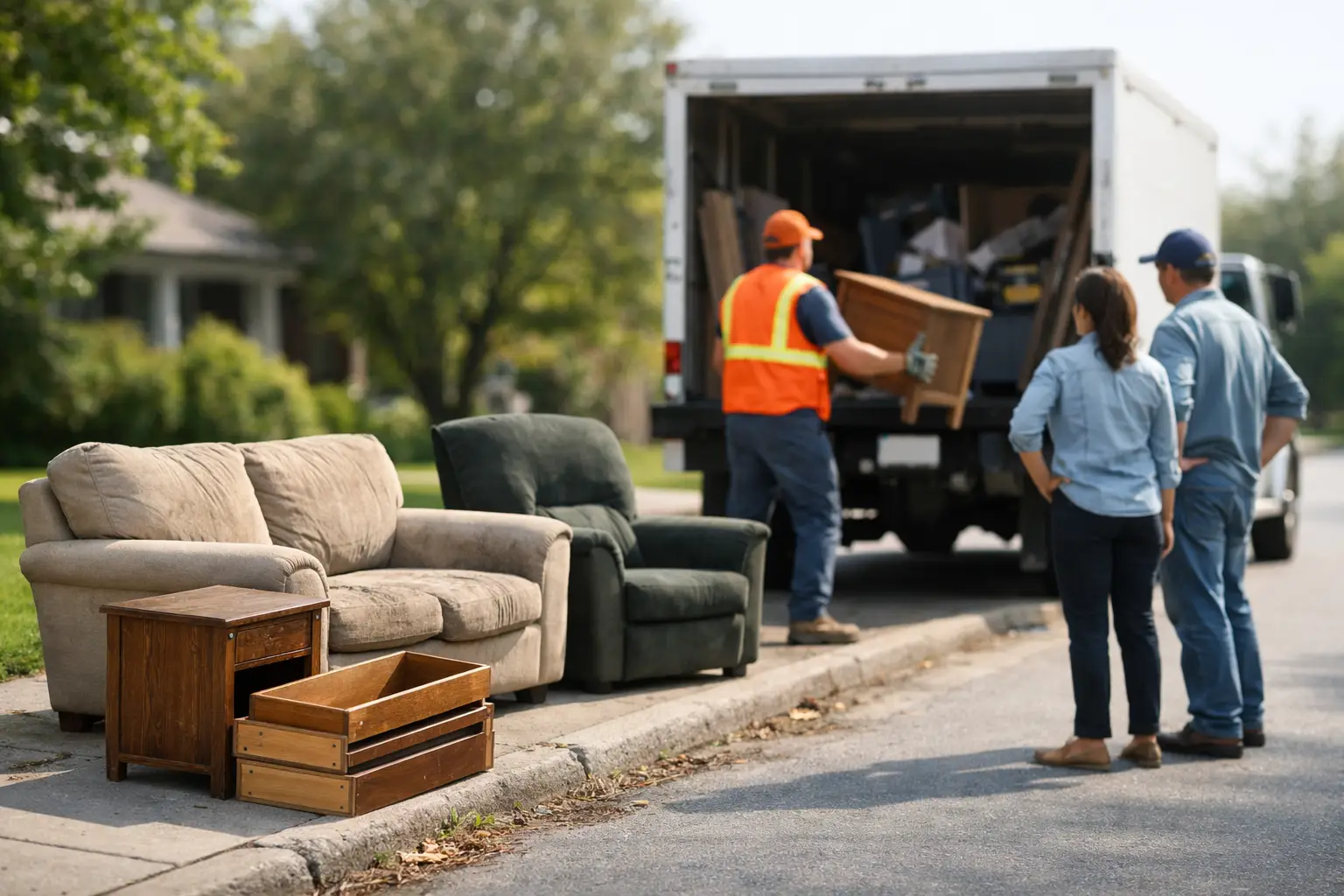
A sofa left beside a dumpster, a mattress leaning against a fence, or a broken recliner sitting at the curb can quickly become more than an eyesore. It can block access, attract pests, violate community rules, and create a stressful question: who removes abandoned furniture? The right answer depends on where the item sits, who owns the property, and whether the furniture creates a safety issue.
For many Charlotte-area property owners, renters, and managers, a full-service junk removal team is the fastest way to get the item assessed, loaded, hauled away, and handled responsibly. But before scheduling removal, it helps to understand who is responsible and what options apply.
Start With the Property and Ownership
Abandoned furniture is not always truly abandoned. A tenant may be moving, a neighbor may be waiting for a scheduled pickup, or a homeowner may have set an item out temporarily. Before moving anything, make a reasonable effort to identify the owner, especially if the furniture is on private property or near an occupied unit.
If the item is on your own property, the decision is straightforward. You can arrange a bulky-item pickup, transport it yourself if you have the right vehicle and disposal option, or hire a junk removal company to do the heavy lifting. For a large sectional, sleeper sofa, entertainment center, mattress, or multiple pieces, full-service hauling often saves time and avoids the risk of injury or property damage.
If the furniture is on a rental property, the lease, move-out status, and local rules matter. Landlords and property managers should document what was left behind, particularly after an eviction, vacancy, or tenant move-out. Taking photos and confirming the unit has been surrendered can help avoid disputes over personal property. Once the item is legally considered abandoned, the owner or manager can arrange removal.
Furniture left in a shared hallway, stairwell, parking lot, dumpster enclosure, or other common area needs prompt attention. It may create a fire hazard, block access, or lead to HOA and code enforcement complaints. In those situations, waiting for someone to claim it can cost more than clearing it quickly.
Who Removes Abandoned Furniture From a Rental?
In most rental situations, the landlord or property manager coordinates removal after confirming the furniture was left behind. The former tenant may still be responsible for the cost under the lease, but the property owner typically needs to act to restore the space and keep the property safe.
For a single chair or a few small items, maintenance staff may be able to handle the job. For heavy furniture, multiple units, or a full cleanout, a professional hauling crew is usually the more practical choice. A crew can remove the items from upstairs apartments, narrow hallways, storage areas, and cluttered units without requiring your staff to wrestle bulky pieces down staircases.
This matters during fast turnovers. A vacant unit cannot be cleaned, painted, repaired, or shown efficiently while a mattress and a room full of leftover furniture are still inside. The same is true for real estate listings, foreclosure cleanouts, estate transitions, and commercial vacancies. Clearing the space quickly gives the next phase of work room to begin.
Apartment communities and HOAs may also have rules about furniture placed near dumpsters or on curbs. Property managers can post notices and enforce community policies, but they still need a reliable plan when a tenant ignores the rules. A scheduled junk removal pickup helps prevent abandoned items from piling up and making a property look neglected.
When the City May Be Involved
City sanitation or bulky-item collection programs may be an option for residents, depending on the municipality and the item. These services can work well when you have a single approved item, enough time to wait for the next collection date, and a clear understanding of placement requirements.
The trade-off is convenience. Municipal collection may have limits on the number or type of items accepted, rules about curb placement, and restrictions on mattresses, appliances, construction debris, or furniture that contains hazardous materials. Some programs require an appointment, while others only collect on designated days.
Calling the city is appropriate when furniture is abandoned in a public right-of-way, creating an obstruction, or part of a larger illegal dumping issue. If the item blocks a sidewalk, roadway, fire lane, or emergency access point, report it promptly. If you see active illegal dumping, do not confront the person. Document details from a safe distance and contact the appropriate local authority.
For private-property furniture that needs to disappear today, municipal service may not be the best fit. A junk removal company can usually provide a clearer timeline, labor, and hauling in one visit.
Why Full-Service Junk Removal Is Often the Simple Answer
Removing furniture sounds easy until you account for the work behind it. A sectional may need to be maneuvered around corners. A water-damaged dresser may fall apart when lifted. A heavy sleeper sofa can injure someone without enough hands. Then there is the question of where the item can legally and responsibly go.
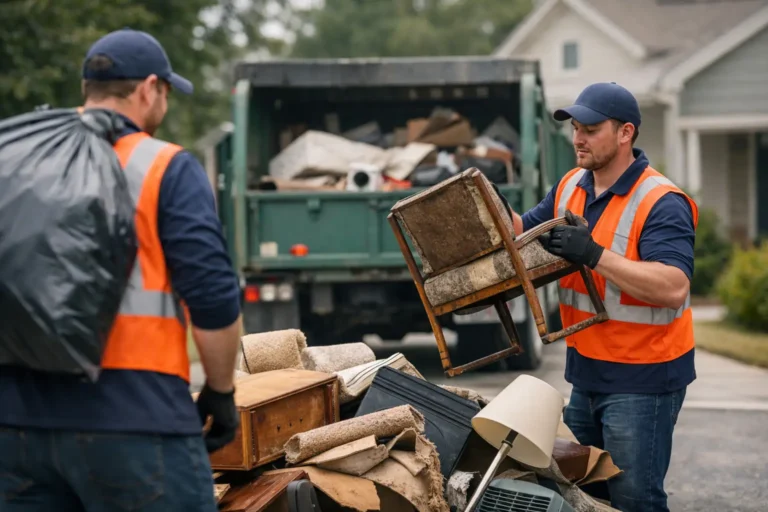
A full-service crew handles the physical work from start to finish. That typically includes assessing the load, providing an on-site quote, removing items from wherever they sit, loading the truck, and hauling everything away. You do not need to borrow a truck, find a disposal facility, recruit helpers, or leave furniture sitting at the curb for days.
For businesses, this is especially useful when old lobby furniture, desks, cubicles, chairs, shelving, or breakroom items need to be cleared without disrupting operations. For homeowners and families, it can make downsizing, estate cleanouts, and assisted living transitions much less overwhelming.
Local Loop Junk Troop provides this type of labor-inclusive service for furniture removal, apartment cleanouts, estate cleanouts, office cleanouts, and larger property clear-outs throughout the Charlotte area. The goal is simple: clear the space without making you manage the heavy lifting or disposal logistics.
What Happens to Furniture After It Is Picked Up?
Not every abandoned item belongs in a landfill. A clean, usable dresser, table, chair, or sofa may be suitable for donation if it meets the receiving organization’s condition standards. Materials such as metal can often be recycled, and some components can be separated when practical.
However, condition matters. Furniture with bedbugs, mold, severe water damage, pet contamination, broken structural parts, or strong odors is usually not appropriate for donation. Mattresses are particularly sensitive because disposal and donation rules can vary. A responsible removal provider evaluates each load and routes items toward donation or recycling when possible, while properly disposing of what cannot be reused.
That approach is better than assuming every unwanted piece can be dropped at a donation center. It protects the organizations receiving donations and keeps unusable materials from being passed along to someone else.
What Affects the Cost of Removal?
Furniture removal pricing usually depends on the amount of space the items take up in the truck, the labor involved, and the disposal requirements. One curbside chair is a different job from clearing a third-floor apartment filled with sofas, beds, dressers, and bags of household debris.
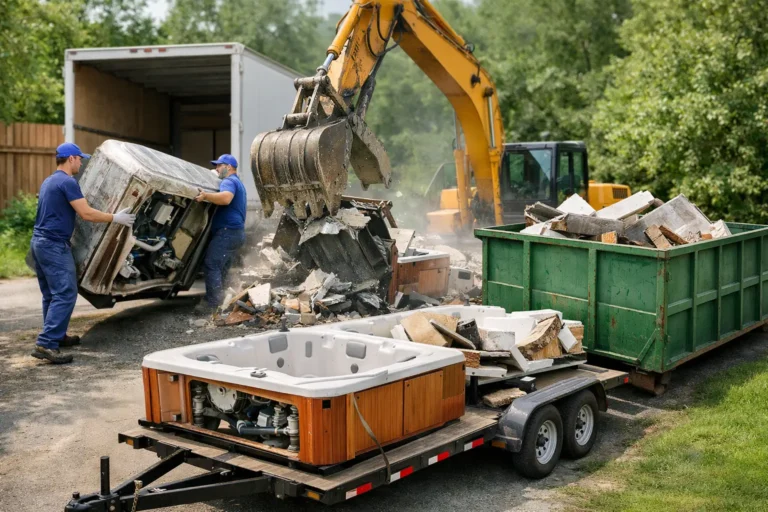
Access can also affect the job. Stairs, elevators, tight hallways, long carrying distances, and furniture that needs to be disassembled all require more labor. Specialty items such as pianos, hot tubs, large entertainment centers, and heavy commercial furniture may need additional planning.
The best approach is upfront pricing after the crew sees what needs to go. That gives you a clear cost before removal begins and prevents surprises after the truck is loaded. If you are a landlord or manager, photos can help with initial scheduling, but an on-site assessment is still the most accurate way to price a complex cleanout.
Do Not Create a Bigger Problem
Avoid dragging abandoned furniture into the street, onto someone else’s property, or beside a dumpster without permission. What feels like a quick fix can become illegal dumping, trigger a fine, or place responsibility back on you. Do not burn upholstered furniture or break it apart without proper protective equipment, either. Older furniture can contain sharp hardware, heavy components, dust, mold, or other materials that are not safe to handle casually.
If you suspect pests, bodily fluids, mold, needles, chemicals, or other hazardous conditions, tell the removal provider before the appointment. Honest details help the crew prepare for the job safely and determine whether specialized handling is needed.
A piece of abandoned furniture does not need to sit around long enough to become a property problem. Whether you are clearing a rental, preparing a home for sale, managing a community, or dealing with a curbside eyesore, the most helpful next step is to identify responsibility, choose the right removal route, and get the space clean again.