
A vacant house can go from manageable to overwhelming faster than most owners expect. One abandoned sofa, a garage full of old paint, and bags left behind by a former tenant quickly become a safety concern, a showing problem, and a costly delay. Vacant property cleanup gives owners, landlords, and real estate professionals a clear path to getting the property secure, presentable, and ready for its next use.
Whether you are handling a rental turnover, foreclosure, estate property, renovation, or sale, the goal is not simply to make the place look empty. The goal is to remove what does not belong, identify what needs attention, and avoid creating another disposal problem while doing it.
Start With Safety and Access
Before moving a single item, make sure the property is safe to enter and easy for a crew to work in. Vacant properties may have broken glass, loose flooring, exposed nails, water damage, pest activity, mold, or piles of unstable items. A cluttered home can also hide damaged walls, plumbing leaks, or electrical issues that need a contractor rather than a hauling crew.
Start by confirming access to the home, garage, shed, attic, and backyard. Locate the keys, gate codes, and utility status if possible. If the property has been empty for a while, walk it carefully and document visible damage before cleanup begins. Photos help landlords, property managers, and homeowners keep a record of the condition of the property before repairs or renovations change it.
For larger cleanouts, separating hazardous materials from standard junk is essential. Paint, chemicals, fuel, propane tanks, batteries, medical waste, and certain electronics cannot simply be tossed into a general debris load. Setting those items aside early prevents delays and helps ensure they are handled through the appropriate disposal channel.
Prioritize the Areas That Affect the Property Most
Not every room needs the same level of urgency. A good vacant property cleanup starts with the spaces that affect safety, curb appeal, access, and the ability to inspect or show the building.
The entryway, living room, kitchen, bathrooms, and main walkways should usually come first. These areas make the strongest impression on potential buyers, tenants, inspectors, and contractors. Clearing them also reveals the condition of floors, walls, appliances, cabinets, and fixtures.
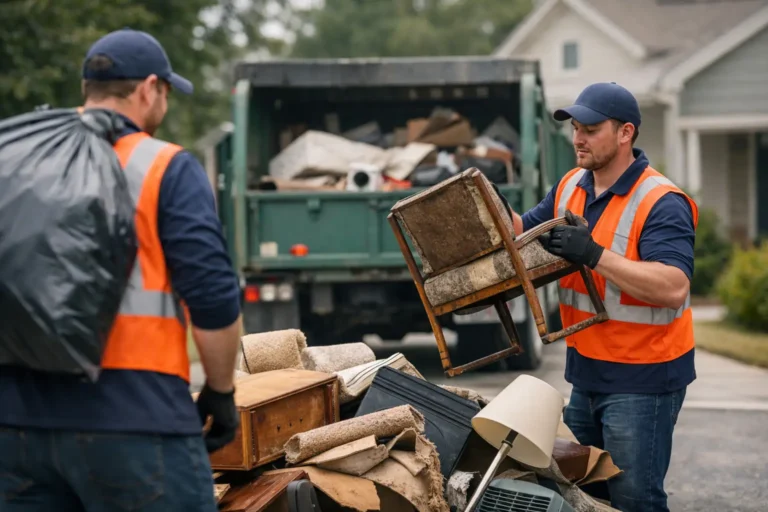
Next, focus on the garage, basement, attic, storage rooms, and exterior areas. These spaces often hold the heaviest items and the largest volume of unwanted material. Old furniture, mattresses, appliances, shelving, construction debris, yard waste, boxes, and broken equipment can make a property feel much bigger than the cleanup actually is. Once those spaces are cleared, it is easier to decide what needs repair, what can stay, and what should be removed before listing or renovation.
Do Not Forget Exterior Cleanup
A clean interior cannot overcome a neglected exterior. Overgrown branches, bagged trash, old fencing, damaged playsets, loose lumber, tire piles, and discarded appliances can make a vacant property look abandoned. They can also create HOA concerns, code issues, pest problems, and trip hazards.
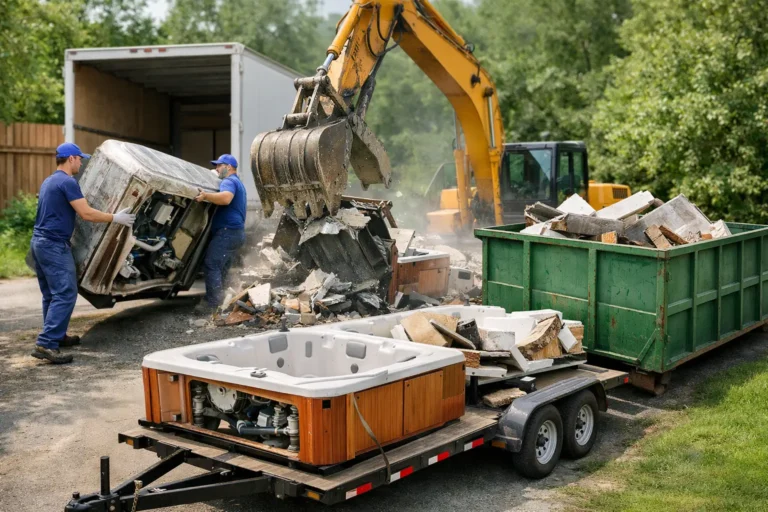
Exterior cleanup may include hauling yard debris, brush, storm debris, scrap wood, old patio furniture, sheds, hot tubs, or unwanted equipment. If a structure is beyond repair, light demolition or deconstruction may be the practical next step. The right approach depends on the condition of the item, property access, and whether materials can be separated for recycling.
Sort Before You Haul
Vacant does not always mean everything inside is trash. Estate properties, rental homes, offices, and foreclosures may contain personal documents, family photos, tools, resale items, or materials that still have a useful life. A quick sorting plan protects against accidentally discarding something important.
Create three simple categories: items to keep, items to donate or recycle, and items to remove. This does not require a detailed inventory of every object, especially when time is limited. It simply means identifying anything that has obvious value or needs approval before it leaves the property.
Donation and recycling are especially worthwhile when the home contains usable furniture, household goods, metal, cardboard, electronics, or appliances. Still, condition matters. A stained mattress, water-damaged furniture, broken particleboard cabinet, or heavily worn couch may not be suitable for donation. Responsible disposal means making the best realistic choice for each item, not promising that every load can avoid the landfill.
Know When Full-Service Removal Saves Time
DIY cleanup can work for a few bags and a small pickup load. It gets much harder when the property contains bulky furniture, appliances, construction materials, or enough debris to require multiple trips. Then there is the heavy lifting, loading, rental truck cost, dump fees, scheduling, and uncertainty around where certain materials can go.
Full-service junk removal is often the more efficient option when the property needs to be cleared quickly. A trained crew can assess the volume on site, provide upfront pricing, load the items, and haul them away without requiring the owner to drag furniture to the curb or sort through disposal facilities. This is particularly helpful for out-of-town owners, busy property managers, real estate agents working toward a listing deadline, and families managing an estate transition.
Local Loop Junk Troop handles the labor-intensive side of vacant property cleanouts, including furniture, appliances, trash, yard debris, office contents, renovation debris, and bulky specialty items. For properties in Charlotte and nearby communities, that can mean clearing a house, garage, shed, or rental unit without coordinating several separate hauling trips.
Plan Around Repairs, Cleaning, and Listing Deadlines
Cleanup should support the next step, not delay it. If painters, flooring installers, cleaners, locksmiths, or contractors are scheduled, clear the working areas before they arrive. Removing debris after repairs are complete can create unnecessary dust, scratches, and repeat work.
A practical order is to remove junk first, complete demolition or repairs second, then schedule deep cleaning and final staging or photography. If the property is going on the market, avoid leaving donated items, loose trash bags, or renovation leftovers outside while waiting for pickup. Even a temporary pile can hurt curb appeal and attract additional dumping.
For rental turnovers, speed matters, but inspection matters too. Once furniture and trash are out, check cabinets, closets, behind appliances, and outdoor storage areas. Former tenants often leave items in the places that are easiest to miss. Finding them before cleaning or move-in day keeps the turnover on track.
Get a Clear Scope Before Work Begins
The best cleanup plans are specific. Instead of asking for a general cleanout, identify the areas involved, the biggest items, and any access challenges. Mention stairs, narrow hallways, elevators, detached buildings, gated communities, and unusually heavy items such as pianos, safes, hot tubs, or large appliances. Those details help a removal team arrive prepared and provide a more accurate on-site quote.
It also helps to state what is staying. If a refrigerator, washer and dryer, workbench, or set of shelves needs to remain, mark it clearly or tell the crew before loading starts. A professional team should confirm the scope with you, protect the property while removing items, and leave the cleared areas orderly.
A vacant property does not need to stay stuck in limbo. Once the unwanted items are gone, the repairs are easier to see, the next decision is easier to make, and the property can start moving toward its next chapter.