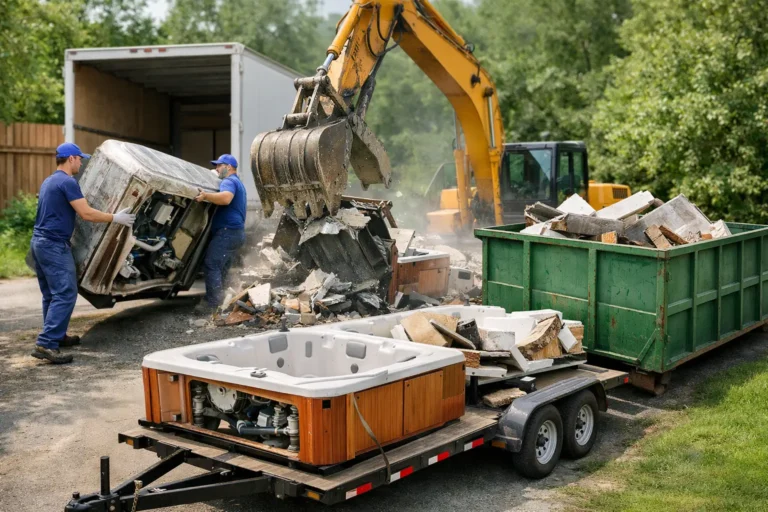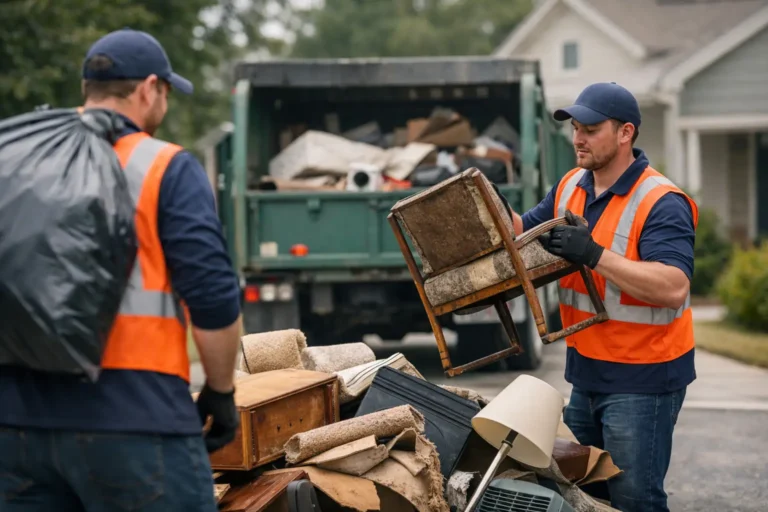
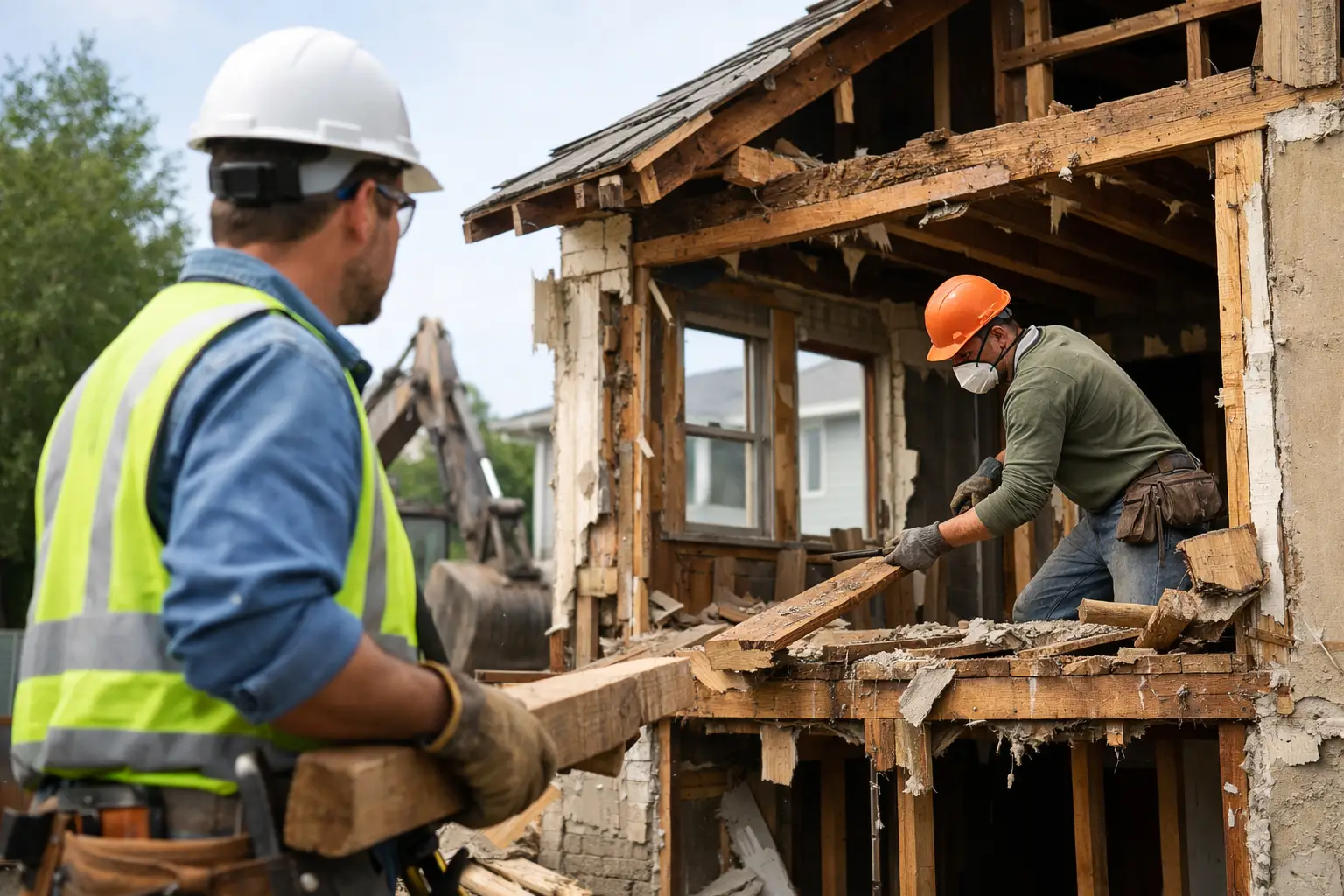
A worn-out deck, aging shed, or dated kitchen can make a property feel stuck. The fastest answer is not always the best one. Deconstruction services provide a controlled way to take apart unwanted structures, separate materials, and clear the space without treating every board, fixture, or appliance as trash.
For Charlotte-area homeowners, landlords, and property managers, that difference can matter. You may want to prepare for a renovation, improve a rental before the next tenant moves in, remove a safety concern, or simply reclaim part of your yard. A full-service crew can handle the lifting, breakdown, loading, hauling, and responsible disposal so the project does not turn into a multi-week DIY burden.
What Deconstruction Services Actually Include
Deconstruction is the careful dismantling of a structure or built-in feature. Instead of using heavy equipment to knock everything down at once, a crew removes components in a planned order. The goal is a cleaner removal process and, when practical, a better opportunity to sort out materials for reuse, donation, recycling, or proper disposal.
This approach is often a fit for smaller structures and interior projects. Common examples include decks, sheds, playsets, cabinets, bathroom fixtures, kitchen components, garage shelving, fencing, flooring, and non-load-bearing interior walls. It can also include removing appliances, countertops, vanities, doors, light materials, and leftover construction debris.
Deconstruction is not automatically the right choice for every project. A severely damaged structure, a tight renovation schedule, or a building with safety concerns may call for a more direct demolition approach. The right method depends on the structure’s condition, access to the work area, the materials involved, and what needs to happen after removal.
Deconstruction vs. Demolition: The Practical Difference
Demolition focuses on breaking down and removing a structure quickly. Deconstruction focuses on taking it apart in stages. Both can clear a space, but they have different priorities.
A demolition project may make sense when materials are too damaged to recover, when a structure is unstable, or when speed is the main concern. For example, a rotting deck with compromised supports may not be worth carefully disassembling board by board. The crew still needs to work safely, contain debris, load everything efficiently, and leave the area orderly.
Deconstruction can be a better option when a project benefits from a more selective process. A usable cabinet, metal fixture, wood material, or appliance may be separated from general debris rather than mixed into one load. This can reduce avoidable landfill waste and make cleanup more organized.
There is also a property-protection benefit. Carefully removing a deck, kitchen, or bathroom component can reduce the chance of damaging nearby landscaping, walls, floors, or surfaces that are staying in place. That does not mean deconstruction is slow or complicated. With the right crew and a clear plan, it is simply a more intentional way to remove what no longer belongs.
Projects That Are Good Candidates for Deconstruction
A crew should assess the project before promising a specific method. Condition and site access matter. Still, these are common situations where careful dismantling is often useful:
- An old shed needs to be removed without leaving a debris pile across the yard.
- A deck is being replaced, and the homeowner wants the area cleared for a new build.
- A kitchen remodel requires cabinets, countertops, appliances, and flooring to come out.
- A bathroom update calls for the removal of a vanity, fixtures, tile, and old materials.
- A landlord needs a garage, storage area, or rental property cleared between occupants.
- An office, retail space, or restaurant needs non-structural fixtures and debris removed before a refresh.
For each project, the scope should be clear. Removing a freestanding shed is different from removing a shed connected to a home. Taking out cabinets is different from removing walls that may contain plumbing, electrical lines, or structural supports. A dependable service provider will identify those limits before work begins rather than making assumptions after the crew arrives.
What a Well-Run Removal Process Looks Like
Good deconstruction work starts before the first screw comes out. The crew needs to understand what is being removed, what must remain untouched, how materials will be carried out, and where the truck can safely park. This protects both the property and the project timeline.
The process typically begins with an on-site assessment and upfront quote. This is where customers should point out access issues, gates, stairs, fragile landscaping, narrow hallways, and any items that are staying. If a deck, shed, or interior area has hidden damage, the team can discuss how that may affect the scope before proceeding.
Once the plan is set, the crew breaks down the structure in manageable sections. Materials are gathered, sorted when feasible, and loaded as work progresses. Keeping the site picked up during the job is more than a courtesy. It makes the work safer and prevents loose debris from becoming another problem for the customer.
After loading is complete, the crew performs a final sweep of the work area. The goal is to leave a usable, clear space – not a driveway full of scraps waiting for the customer to deal with later.
Responsible Disposal Is Part of the Service
Taking materials apart carefully only helps if they are handled responsibly afterward. Wood, metal, appliances, fixtures, cardboard, and usable household items do not all belong in the same disposal stream. When items are suitable, donation and recycling should be considered before landfill disposal.
That said, responsible disposal is not the same as guaranteeing that every material will be reused. Water damage, mold, rot, broken glass, contaminated materials, and unsafe items may need to be discarded. A straightforward provider should be honest about that reality while still making reasonable efforts to keep usable and recyclable materials out of the landfill.
This matters during estate cleanouts, rental turnovers, remodeling projects, and commercial clear-outs. Customers want the property cleared quickly, but many also want to know that usable items are not being treated carelessly. Local Loop Junk Troop approaches hauling with that balance in mind: efficient removal, practical sorting, and a cleaner path for what can be donated or recycled.
How to Prepare Before the Crew Arrives
You do not need to disassemble anything yourself. In fact, leaving the work to the crew is often safer and more efficient. A few simple steps can make the appointment go smoothly.
First, remove personal belongings from the work area, especially documents, medication, keepsakes, and valuables. Next, make sure the crew has a clear path to the structure or room whenever possible. Moving vehicles from the driveway and unlocking gates can save time. If you are managing a rental or commercial space remotely, provide access instructions and confirm who can approve the work on-site.
It also helps to communicate your end goal. Are you preparing for a contractor? Selling a property? Making room for new equipment? Clearing a safety hazard? Knowing what comes next helps the crew focus on the right level of cleanup and avoid removing materials you intended to keep.
Questions Worth Asking Before You Book
The lowest quote is not always the best value if it leaves you with hidden fees, debris piles, or disposal questions. Ask whether labor, hauling, and disposal are included in the price. Confirm whether the provider offers an on-site quote, what happens if the scope changes, and whether they can handle the entire project from breakdown through final hauling.
You should also ask about limitations. Light demolition and deconstruction crews can remove many structures and interior features, but they may not handle work requiring specialized trade permits, hazardous-material remediation, or major structural changes. Clear answers protect everyone involved and help keep the project on schedule.
For a small project, same-day availability may be possible. Larger or more detailed projects may require scheduling around crew time, disposal capacity, access, and the condition of the structure. Planning ahead is helpful, but you should not have to spend your weekend finding a truck, recruiting help, and making multiple disposal runs.
A clear space gives the next step room to happen. Whether you are rebuilding a deck, renovating a kitchen, turning over a rental, or finally reclaiming the garage, careful removal can make the work ahead feel much more manageable.