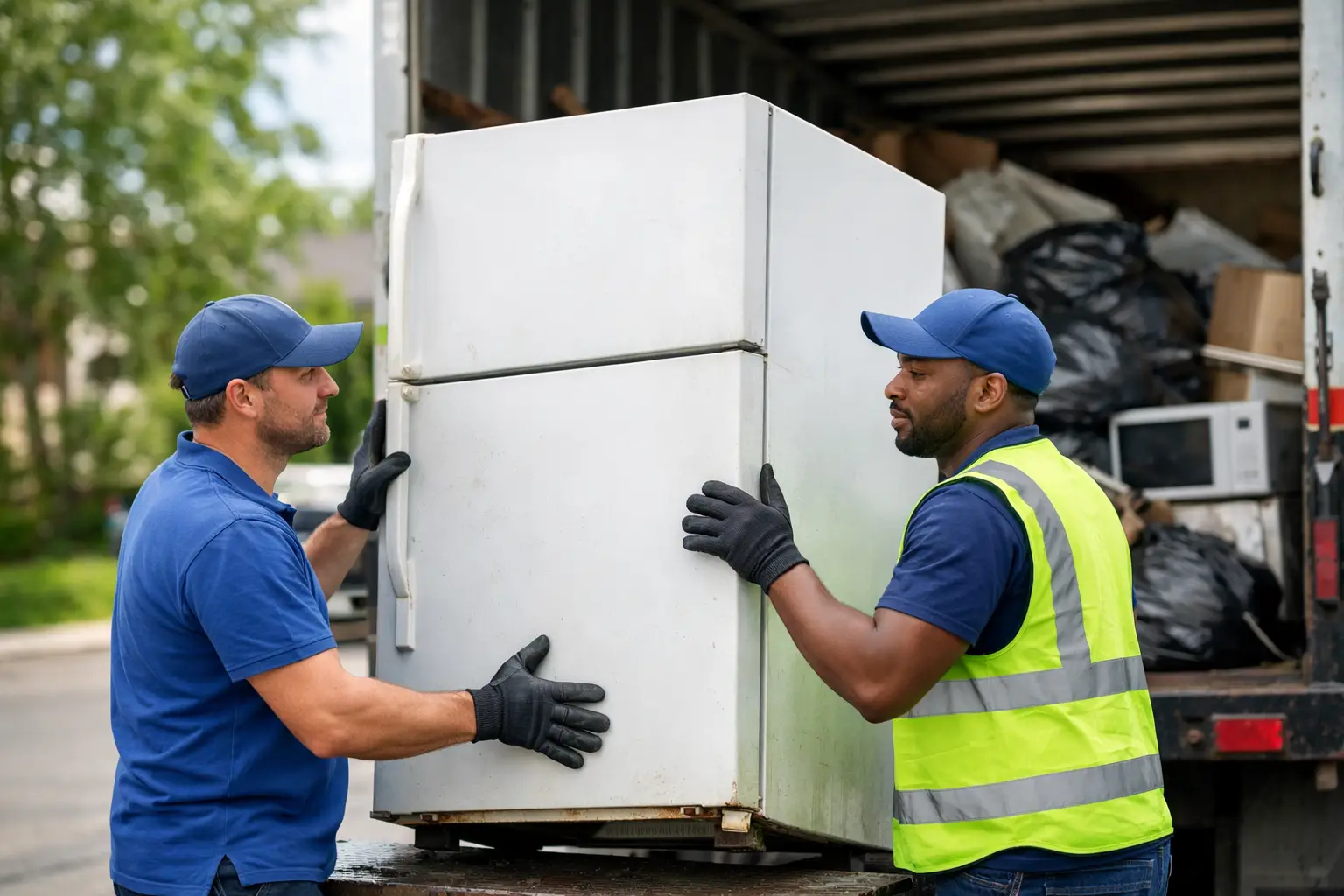
That old refrigerator is rarely just another bulky item. It is heavy, awkward to move through a doorway, and may contain refrigerant that cannot be released into the air. So, can junk removal take refrigerators? In most cases, yes – but the company needs to be equipped to haul appliances and follow the proper disposal process.
For homeowners, landlords, property managers, and businesses, professional refrigerator removal replaces a difficult DIY project with a straightforward pickup. A trained crew can assess the item, do the lifting, protect the surrounding area, load the appliance, and route it toward appropriate recycling or disposal. That matters whether you are replacing one kitchen fridge, clearing a rental after a move-out, or emptying a garage packed with old appliances.
Can junk removal take refrigerators with refrigerant?
A full-service junk removal company can generally take refrigerators, freezers, mini fridges, wine coolers, and similar cooling appliances. The important detail is what is inside the unit. Refrigerators use refrigerant, and older models may use regulated substances that require careful recovery before the appliance can be dismantled or recycled.
That is why a refrigerator should not simply be left at the curb, broken apart in the driveway, or placed in a regular trash bin. Responsible removal means handling the appliance in a way that respects local disposal rules and avoids unnecessary environmental harm.
The exact process can vary by the age and condition of the refrigerator, local facility requirements, and whether the refrigerant has already been professionally removed. A dependable hauling company will tell you upfront if there are special requirements or fees. There should be no guesswork after the crew arrives.
At Local Loop Junk Troop, refrigerator removal is handled as a full-service job. You do not need to find a truck, recruit help, or figure out where an appliance recycling facility is located. The crew handles the labor and hauling while prioritizing responsible disposal options.
Why refrigerators need different handling
The biggest challenge is not only the weight. A standard refrigerator can weigh 150 to 300 pounds, while larger French-door and commercial-style models can weigh much more. Their size makes them hard to maneuver through tight kitchens, apartment hallways, staircases, and garage entries.
Then there is the refrigerant. Depending on the appliance and its age, refrigerant recovery may need to happen before recycling. Compressor oil, electrical components, insulation, metal, glass shelves, and plastic parts also create a more involved disposal job than a typical piece of furniture.
When the appliance reaches an approved processing facility, recyclable materials such as steel, aluminum, copper, and certain plastics may be separated. This is one reason professional removal is often the better choice than sending an otherwise recyclable appliance straight to a landfill.
What to do before refrigerator pickup
You do not need to do heavy lifting or disconnect complicated components. A little preparation, however, helps the pickup stay safe and efficient. Start by removing all food, drinks, ice, and loose shelves or bins that could shift during transport.
If the refrigerator is still operating, unplug it well ahead of the appointment. Defrosting it and wiping up moisture prevents leaks in your home and the hauling truck. Leave the doors slightly open after defrosting so odors and mildew do not build up.
Before the crew arrives, make sure there is a clear path from the refrigerator to the exit. Move rugs, small furniture, boxes, and other trip hazards out of the way. If the appliance is in a basement, upstairs room, or a narrow storage area, mention that when scheduling. Crews can plan for stairs, tight turns, and the right amount of labor.
A few details are especially helpful when requesting a quote:
- The refrigerator type and approximate size
- Its location, including stairs, elevators, or a long carry distance
- Whether it has been unplugged and emptied
- Whether you also have other appliances, furniture, or junk to remove
Providing those details helps the company give a clearer on-site estimate and arrive prepared. If you are cleaning out a property, bundling items into one pickup can also be more convenient than arranging separate disposal trips.
When junk removal may not be the right fit
Junk removal is an excellent fit for a broken, unwanted, abandoned, or non-working refrigerator. It is also useful when a functioning appliance is too old, too large, or too difficult to sell or donate yourself.
However, a newer refrigerator in clean working condition may be a candidate for donation, resale, or a manufacturer or retailer haul-away program. Some utility providers also offer appliance recycling incentives at certain times. Those options can be worth checking if you are not in a hurry and the unit meets their condition requirements.
For most people facing a move, renovation, estate cleanout, tenant turnover, or appliance replacement, speed is the deciding factor. Waiting for a buyer to pick up a used refrigerator can mean losing valuable space in a garage, kitchen, or rental unit. Full-service hauling keeps the project moving without asking you to manage strangers, transportation, or disposal rules.
How professional refrigerator removal works
The process should be simple. First, share what you need removed and where it is located. A company may provide scheduling options quickly, including same-day availability when the schedule allows.
Next, the crew arrives, reviews the appliance and access conditions, and gives an upfront on-site quote. Pricing typically reflects the refrigerator’s size, the amount of labor required, access challenges, and the disposal or recycling requirements in the area. A ground-floor mini fridge is different from a large built-in refrigerator that must come down two flights of stairs.
Once you approve the price, the crew protects the route as needed, removes the appliance, loads it, and clears the area. You do not have to drag the refrigerator to the curb or stay responsible for what happens after it leaves your property.
This service is particularly valuable for property managers and real estate professionals who need fast turnover. A refrigerator left behind by a tenant can delay cleaning, repairs, photography, and the next move-in. One scheduled pickup can remove the appliance along with mattresses, furniture, boxes, yard waste, or renovation debris that is slowing down the job.
Common questions about refrigerator hauling
Do I need to remove the doors first?
Usually, no. Leave the appliance intact unless the removal crew gives you a specific instruction. Professionals have the equipment and experience to move it safely. If the refrigerator will sit outside before pickup, securing the doors is a smart safety precaution, especially around children and pets.
Can junk removal take a refrigerator that still has food inside?
It is best to empty it first. Food can leak, create odors, and add unnecessary cleanup time. If you are dealing with an urgent estate, eviction, or hoarding cleanup and cannot fully prepare the appliance, explain the situation when you schedule so the crew can advise you.
Will a crew remove a refrigerator from upstairs?
Often, yes, but access affects the plan and price. Tell the company about stairs, narrow halls, turns, elevator restrictions, or any built-in installation before the appointment. Clear communication helps avoid delays and protects your property.
Can you remove multiple appliances at once?
Yes. Combining a refrigerator with an old washer, dryer, dishwasher, stove, microwave, or other unwanted items is a practical way to clear space in one visit. It is especially useful after a kitchen remodel or rental turnover.
A refrigerator should not become the item that holds up your move, renovation, or cleanout. Empty it, unplug it, clear a path, and let a professional crew handle the heavy, regulated part of the job. That gives you your space back without turning appliance disposal into a weekend project.