
A hoarder cleanup is rarely just a matter of moving old furniture and filling trash bags. It may involve a family transition, an estate, a rental turnover, a safety concern, or years of belongings that became too difficult to manage. Knowing how to handle hoarder cleanup starts with treating the person and the property with respect while putting safety, clear decisions, and steady progress first.
The goal is not to judge the condition of the home or force every decision in one day. The goal is to make the space safer, more usable, and easier to move forward from. For some properties, that means clearing one bedroom and a path to the bathroom. For others, it means a full-home cleanout before a sale, renovation, or new tenant moves in.
How to Handle Hoarder Cleanup Safely
Before anyone starts sorting, assess the property from the doorway or exterior when possible. Severe clutter can hide weak flooring, broken glass, pests, mold, animal waste, exposed wiring, leaking appliances, and blocked exits. A house that looks crowded can also have real health and fire hazards underneath the items.
Do not enter areas that feel unstable or unsafe. If you notice strong odors, visible mold, rodent droppings, insect activity, bodily fluids, damaged ceilings, standing water, or suspected hazardous materials, pause the project. Those conditions may require specialized cleaning, pest control, restoration, or hazardous-material handling before ordinary junk removal can begin.
Wear closed-toe shoes with sturdy soles, work gloves, long sleeves, and a quality mask when dust, mildew, or debris is present. Keep children and pets away from the work zone. Open windows only when it is safe to do so, and make sure doors, hallways, and emergency exits stay clear as the cleanup progresses.
A practical rule is simple: clear access before clearing everything else. Start by opening a safe route from the entrance to key rooms, then work toward bathrooms, kitchens, bedrooms, and utility areas. This gives everyone a safer place to stand, sort, and carry items out.
Start With a Plan, Not a Dumpster
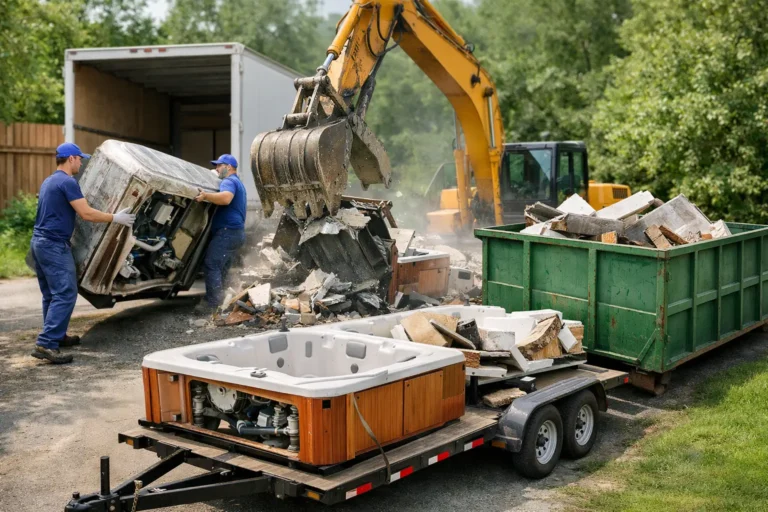
The fastest-looking solution is not always the best one. Ordering a dumpster before evaluating the property can create more work, block access, and encourage valuable or personal items to get thrown away by mistake. Full-service hauling can be a better fit when there are stairs, tight rooms, heavy furniture, appliances, large volumes of bagged trash, or a need for labor from start to finish.
Set a realistic scope before the first item is moved. Decide which areas must be addressed first and what success looks like for this stage of the project. A landlord preparing for a turnover may need clear rooms, working access to utilities, and removal of abandoned belongings. A family helping a parent downsize may need a slower, more selective process that protects keepsakes and paperwork.
Take photos for your own records before work begins, especially if the cleanup involves an estate, rental property, insurance issue, or potential legal question. If multiple relatives or decision-makers are involved, choose one point person who can make timely calls. Too many people making separate decisions can slow a cleanup to a standstill.
Set Simple Sorting Categories
Keep sorting categories limited and easy to understand. Use clearly marked boxes, bins, or taped-off areas for items to keep, donate, recycle, shred, and remove. Avoid creating a vague “maybe” pile that grows larger than the original clutter. If an item truly needs a second look, give it a deadline and one designated reviewer.
Search carefully for documents, jewelry, cash, family photos, medication, firearms, and personal records before large piles are loaded out. Check obvious locations such as desks, drawers, purses, filing cabinets, bedside tables, and coat pockets. Also remember that important items can be tucked into books, containers, clothing, or bags.
For documents, separate items that may be needed for taxes, medical care, property records, benefits, banking, or estate administration. Documents with private information should be shredded or handled through a secure process rather than tossed loose into a disposal pile.
Keep the Person at the Center of the Process
Hoarding-related cleanup can bring up grief, embarrassment, anxiety, and conflict. Even when the property owner agrees that the conditions need to change, watching belongings leave can be difficult. A calm, matter-of-fact approach helps more than pressure or criticism.
Use respectful language. Say “belongings,” “items,” or “materials” instead of insulting labels. Ask focused questions: “Would you like to keep this photo album?” or “Should we save these records for your review?” Broad questions such as “What do you want to do with all of this?” can feel overwhelming when someone is already under stress.
If the person is able to participate, offer choices in small batches. Give them control over personal belongings and sentimental items whenever possible, but keep safety boundaries firm. A blocked exit, unusable bathroom, or unsafe sleeping area needs prompt attention even if the larger cleanup will take time.
It also helps to recognize when a cleanup alone is not the whole answer. Hoarding disorder is a mental health condition, and a forced cleanout without ongoing support can be traumatic or lead to clutter returning. Family members may need help from a therapist, social worker, senior care professional, or local support resource alongside the physical cleanup.
Work in Zones and Finish What You Start
Trying to touch every room in a single day often creates more confusion. Work in defined zones, such as the front entry, a hallway, one bedroom, or the garage. Finish each zone to a clear stopping point before moving on. That might mean the floor is visible, the path is open, surfaces are cleared, or all removal items are staged for hauling.
Start with items that are clearly trash, damaged beyond use, or unsafe to keep. Then address bulky pieces that take up room and make access difficult, including broken furniture, old mattresses, nonworking appliances, damaged shelving, and excess boxes. Removing these items early can create the space needed to sort the smaller belongings safely.
Do not compact bags or reach blindly into piles. Needles, sharp objects, broken glass, and spoiled food can be hidden under paper, clothing, or containers. Use a shovel, grabber tool, or other safe method when dealing with unknown debris. Heavy items should be lifted by a team with proper technique, not dragged across floors or carried alone down stairs.
Know What Requires Special Handling
Some materials should never be mixed into ordinary household junk. Paint, chemicals, propane tanks, fuel, batteries, medical sharps, certain electronics, and some appliances may have specific disposal requirements. Refrigerators and freezers can be especially challenging if they contain spoiled food, odors, or refrigerant concerns.
If you find medication, keep it secured until it can be disposed of properly. If firearms are present, do not handle them casually. Contact the appropriate qualified professional or local authority for guidance. When there is any doubt about an item, set it aside rather than taking a risk.
Make Disposal Responsible and Practical
A respectful hoarder cleanup does not mean every item must be saved. It means making thoughtful decisions about what can reasonably be reused, donated, recycled, or discarded. Clean, usable furniture, household goods, clothing, and working appliances may be candidates for donation, depending on their condition and local acceptance rules.
Items that are wet, heavily soiled, pest-damaged, moldy, broken, or unsafe are usually not suitable for donation. Trying to donate unusable materials delays the project and can create a burden for charitable organizations. Be honest about condition and focus on moving safe, usable items into the right channels.
For Charlotte-area homeowners, families, landlords, and property managers facing a large or time-sensitive project, a full-service crew can remove the physical burden. Local Loop Junk Troop can provide an on-site quote, handle the lifting and loading, and work to route appropriate items toward donation or recycling before landfill disposal. That is especially useful when a property has bulky furniture, appliances, garage clutter, estate contents, or several rooms that need to be cleared quickly.
Plan for the Space After the Cleanup
Removal is often the first step, not the last. Once rooms are cleared, the property may need deep cleaning, pest treatment, repairs, painting, flooring work, or light demolition before it is ready for everyday use, sale, or rental. Schedule these services after the bulk removal whenever possible so professionals can access the space without working around piles.
To prevent a quick return to clutter, keep the reset simple. Use a limited number of storage areas, label what belongs where, and avoid bringing in new items without a clear place for them. If a family member is returning home after the cleanup, focus on maintaining safe walkways, functional rooms, and regular pickup routines rather than trying to create a picture-perfect space overnight.
A hoarder cleanup can feel overwhelming because it represents so many decisions at once. Break it into safe, manageable steps, bring in help when the volume or conditions call for it, and keep the focus on restoring a space where people can move, live, and breathe more easily.