When a property needs to be cleared, the hardest part usually is not the lifting. It is figuring out where to start, what has to stay, what can go, and how to get everything out without turning the job into a week-long mess. This complete property cleanout guide is built for homeowners, landlords, property managers, families, and business owners who need a practical plan that keeps the process moving.
A full cleanout can mean very different things depending on the situation. Sometimes it is a garage packed wall to wall with old furniture, broken tools, and yard waste. Other times it is an estate cleanout after a loss, a rental turnover with abandoned items, an office closure, or a property that needs to be emptied before renovation or sale. The right approach depends on the timeline, the condition of the property, and whether the goal is speed, maximum recovery of usable items, or a little of both.
What a complete property cleanout usually includes
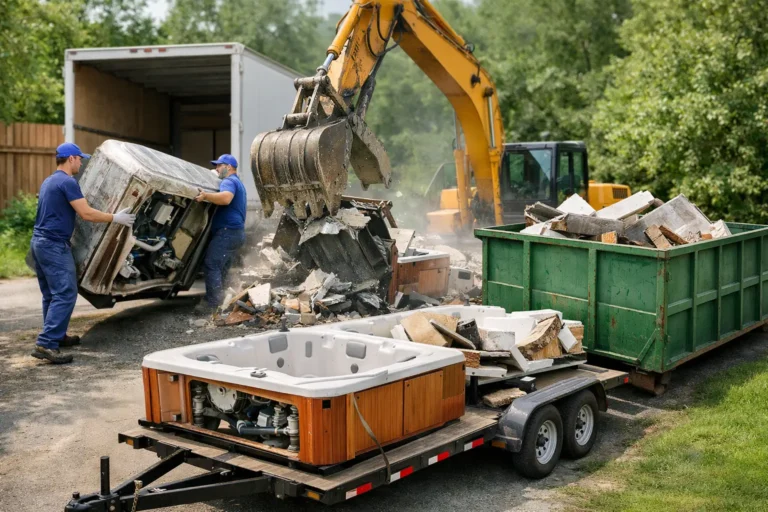
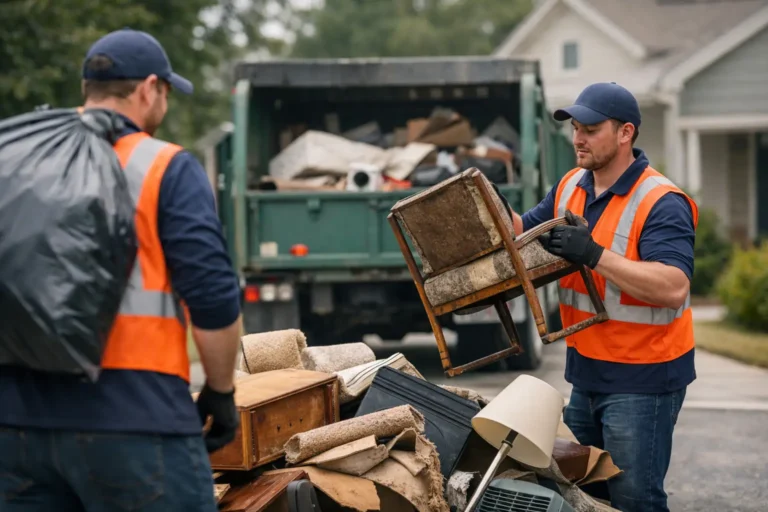
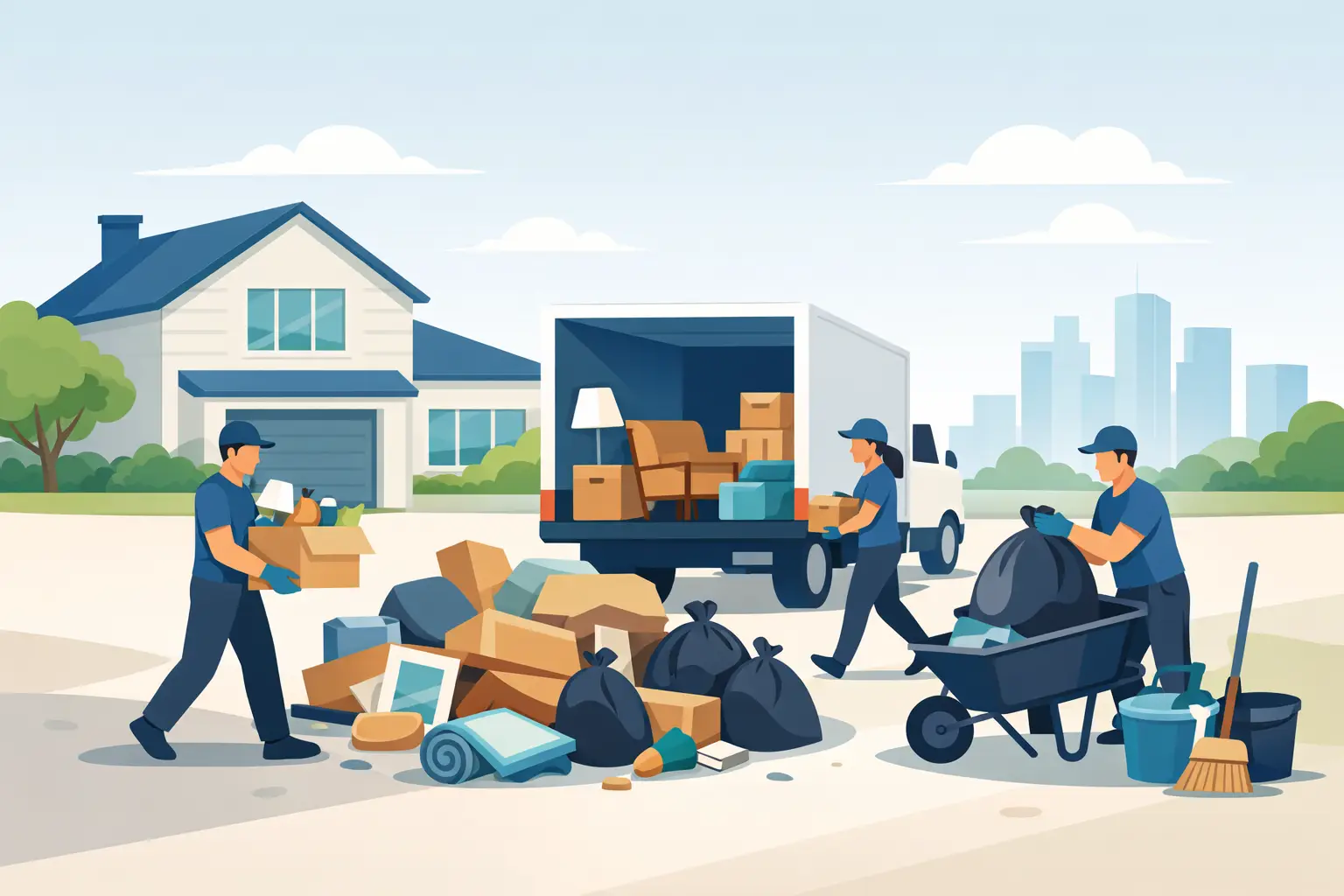
A true cleanout is more than hauling away a few bulky items. It often includes furniture removal, appliance hauling, bagged trash pickup, electronics removal, mattress disposal, yard debris removal, and the clearing of storage areas like attics, sheds, garages, and crawl spaces. In tougher situations, it may also include hoarder cleanouts, eviction cleanouts, estate cleanouts, or debris left behind after light demolition work.
That matters because the scope affects the labor, truck space, disposal plan, and scheduling. A single-room cleanout can often move fast. A whole-home, multi-unit, or commercial cleanout usually needs a more organized game plan so there are no surprises once the crew arrives.
Start with a clear goal before you touch anything
The fastest cleanouts start with one decision: what does done look like? For a landlord, done may mean broom-clean and ready for repairs. For a family handling an estate, done may mean removing unwanted contents while setting aside keepsakes, documents, and donation items. For a business, done may mean clearing desks, shelving, old fixtures, and equipment so a space can be turned over on schedule.
Without that definition, cleanouts drag. People second-guess what should be saved, rooms get half-finished, and piles start moving from one area to another instead of leaving the property. Before anything is loaded, decide whether the job is focused on speed, sorting, donation, resale, or prep for renovation. That one choice shapes the rest of the job.
The complete property cleanout guide to sorting the right way
Sorting is where most delays happen. The easiest method is to separate items into a few practical groups: keep, donate, recycle, dispose, and hazardous or restricted items that need special handling. That sounds simple, but the key is to keep those groups tight and make decisions quickly.
If an item has real sentimental, legal, or financial value, pull it out immediately and move it to a secure area. That includes photo albums, personal records, cash, medication, jewelry, keys, contracts, and anything tied to property ownership or insurance. In estate and eviction situations especially, this step should happen before bulk hauling starts.
For everything else, avoid overthinking low-value items. If a couch is ripped, a mattress is stained, or a desk is broken, it is usually better to remove it than spend hours trying to place it. On the other hand, lightly used furniture, working appliances, and household goods may be worth donating if timing allows. The trade-off is simple: donation-friendly sorting can reduce waste, but it can also add labor and decision time.
Room-by-room planning works better than random piles
Most cleanouts go smoother when handled by zone rather than item type. Start with the areas that affect access, like entryways, hallways, driveways, and stair paths. Then move to the largest rooms or the spaces with the heaviest volume. This keeps the property safer and makes loading more efficient.
Garages, basements, attics, and storage rooms often take longer than expected because they collect mixed debris over time. A garage might hold paint cans, scrap wood, broken shelving, lawn equipment, old appliances, and holiday storage all in one place. That kind of mix slows a job down unless the team is ready to separate restricted items from standard junk as they go.
Bedrooms, living spaces, and offices are usually more straightforward, but they can involve heavier furniture and electronics. Kitchens and utility areas tend to require more caution because of appliances, old food, chemicals, and breakables. If the property is being prepared for sale or renovation, the cleanout may also reveal damage or leftover materials that need a light demolition crew instead of a hauling-only crew.
Know what cannot be treated like regular junk
One of the biggest mistakes in any cleanout is assuming every item can go on the same truck. Paint, solvents, propane tanks, chemicals, certain batteries, and some types of construction material may require special disposal steps. Refrigerators, freezers, and air conditioning units can also need handling based on local rules and the unit type.
That is why professional assessment matters on larger cleanouts. The quote is not just about volume. It is also about what is actually in the property. A room full of furniture is one thing. A shed with old chemicals, sharp scrap, and storm-damaged materials is another.
When to hire a full-service cleanout team
DIY cleanouts make sense for small jobs, easy access properties, or situations where the timeline is flexible. If you have a few pieces of furniture, manageable debris, and enough help, doing it yourself can save money. But large cleanouts usually become expensive in other ways. You lose weekends, pay for truck rentals, make multiple dump trips, and take on the risk of injury or property damage.
A full-service crew is usually the better call when the cleanout is time-sensitive, physically demanding, emotionally difficult, or tied to a property deadline. That includes estate transitions, foreclosures, rental turnovers, office closures, renovation prep, and hoarder situations. In those cases, speed and reliability matter more than squeezing every possible dollar out of the process.
This is where a company like Local Loop Junk Troop fits naturally. Customers in Charlotte and nearby areas often need same-day or next-day help, labor-inclusive hauling, and straightforward pricing without having to coordinate trucks, helpers, and disposal on their own.
Pricing depends on more than how full the truck gets
People often expect cleanout pricing to work like standard curbside pickup. It rarely does. Volume matters, but so do labor, access, weight, item type, and how much sorting is required on site. A first-floor garage cleanout is typically faster than a third-floor apartment cleanout with no elevator. A property with loose debris throughout multiple rooms may cost more than one with neatly staged items in the driveway.
Upfront pricing is important because it gives you a clear decision point before work begins. On-site quotes are especially useful for full property cleanouts since photos do not always show tight stairwells, hidden debris, water-damaged contents, or extra structures like sheds and outbuildings.
How to prepare for a cleanout day
Preparation does not have to be complicated. It just has to remove delays. If possible, secure pets, move vehicles out of loading areas, and identify anything that is not supposed to be removed. If someone else is involved in the decision-making, get those approvals sorted out before the crew arrives.
For estate, landlord, and property management cleanouts, it also helps to confirm access in advance. Make sure keys, gate codes, lockbox details, or tenant turnover permissions are handled early. A cleanout crew can move quickly, but only if they can get in and get to work.
A few realistic trade-offs to keep in mind
The cleanest plan is not always the fastest one. If you want to maximize donation, resale, and item-by-item review, expect the process to take longer. If you need the property cleared now for closing, repairs, or a move-out deadline, speed may matter more than recovering value from every item.
It also depends on the condition of the property. A clean and organized home is easier to sort carefully. A neglected property with mixed debris, damaged furniture, and sanitation concerns usually calls for a more direct removal-first approach.
What a successful cleanout really looks like
A good cleanout is not just about making junk disappear. It is about clearing the space safely, respecting the property, keeping pricing transparent, and making sure usable items are handled responsibly when possible. The best result is a property that is easier to sell, rent, renovate, manage, or simply breathe in again.
If you are facing a packed garage, an estate transition, a rental turnover, or a full commercial clear-out, start with a plan that matches your timeline and your stress level. The right help should make the job feel lighter from the first quote to the final sweep.