When a storm leaves tree limbs across the yard, siding in the driveway, and soaked junk in the garage, figuring out the right storm debris pickup options becomes the next problem. The fastest cleanup is not always the cheapest, and the cheapest option is not always the safest. In Charlotte, the best choice usually depends on what the storm left behind, how much of it there is, and how quickly you need the property cleared.
Which storm debris pickup options make sense?
Some storm cleanup jobs are simple curbside piles. Others turn into a mixed-load removal with yard waste, fencing, ruined furniture, and damaged shed materials all stacked together. That difference matters because cities, private haulers, and full-service junk removal teams handle different kinds of debris in different ways.
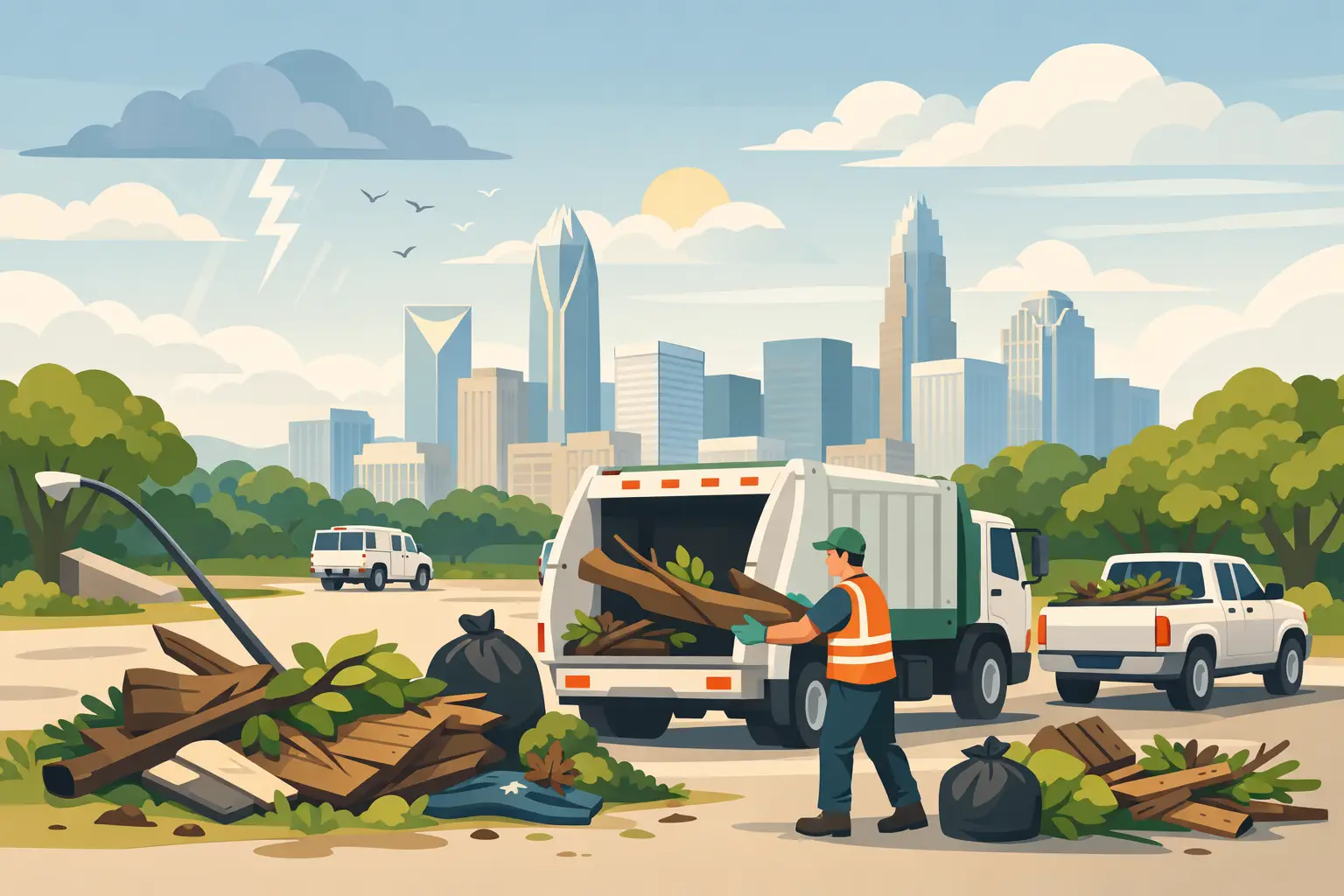
If the debris is mostly small branches, leaves, and yard clippings, municipal pickup may be enough if your area allows it and the material is bundled the right way. If you are dealing with bulky limbs, broken playsets, fence sections, water-damaged contents, or storm-related demolition debris, a full-service hauling crew is often the more practical route. It saves time, avoids repeat trips, and keeps you from sorting everything alone.
For homeowners and property managers, the real question is not just who will take it. It is who will take all of it, on your timeline, without leaving a bigger mess behind.
Start by sorting the debris by type
Storm debris is rarely one clean category. A single cleanup can include green waste, construction material, household junk, and heavy items that are unsafe to move without help. Sorting it first makes the next step easier and can prevent delays.
Tree limbs, brush, leaves, and yard waste are typically the easiest to separate. These materials may qualify for local collection, but size limits and placement rules often apply. Long limbs may need to be cut down. Loose piles may need to be bundled. If your neighborhood has HOA guidelines, curb placement can be another factor.
Then there is structural debris. This includes fence panels, roofing scraps, damaged drywall, insulation, deck boards, and pieces of sheds or detached outbuildings. These materials usually fall outside routine yard waste collection. They also create more safety concerns because of nails, sharp metal, broken glass, and unstable stacks.
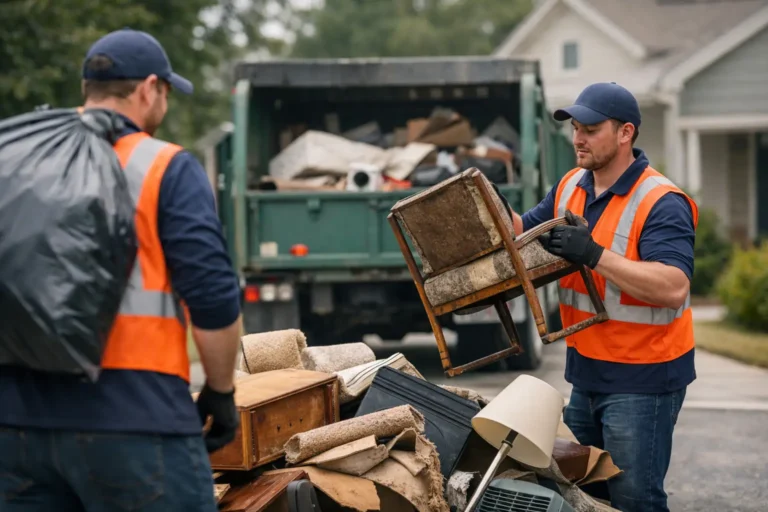
The last category is damaged contents. After a storm, customers often need help removing soaked mattresses, ruined furniture, flooded storage items, appliances from garages, and other bulky junk that cannot stay in place. These loads are usually best handled by a labor-inclusive hauling service because they require lifting, loading, and proper disposal.
When curbside pickup works and when it does not
Curbside service can be useful after a moderate storm, especially if the debris is limited to natural yard waste. It can also cost less out of pocket if your municipality already includes pickup in local services. But curbside only works when the volume is manageable and the material fits the rules.
The limits show up quickly. Pickup windows may be delayed after severe weather. Crews may only take specific debris types. You may still need to cut, stack, bag, or bundle the material yourself. If the pile includes mixed debris, one rejected item can slow down the whole process.
For landlords, real estate agents, and small business owners, waiting on staggered curbside collection is not always realistic. If a tenant move-out, listing deadline, or business reopening is on the schedule, a faster full-service solution usually makes more sense.
Full-service hauling is often the faster storm cleanup option
A full-service junk removal crew is usually the better fit when the storm created a mixed pile, the debris is heavy, or you need the area usable again right away. Instead of renting equipment, making dump runs, or coordinating multiple pickups, you can have one team assess the load, provide an on-site quote, and remove it in one visit.
That matters more than people expect. Storm cleanup is physically demanding and can get risky fast. Wet debris is heavier than it looks. Branches can shift. Broken fencing and demolition scraps can cause injuries. Even moving damaged furniture from a garage to the curb can be a bigger job than it seems.
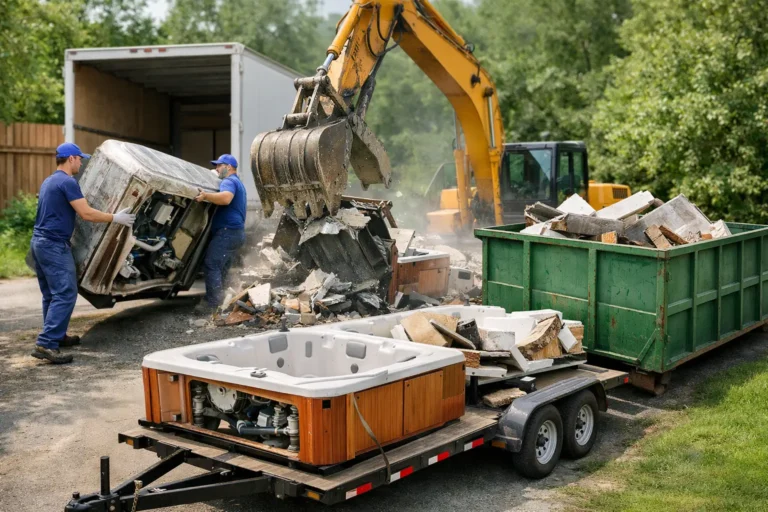
A professional hauling crew also helps when the cleanup is spread across the property. It is common to have backyard brush, side-yard fencing, and garage contents all needing removal at the same time. A service that includes labor keeps you from organizing separate solutions for each part of the mess.
Storm debris pickup options for larger property damage
Not every storm leaves behind simple pickup material. Sometimes the damage crosses into teardown and removal. A partially collapsed shed, broken deck stairs, a damaged playset, or interior materials ruined by water may require light demolition before the debris can even be hauled away.
This is where experience matters. A company that only picks up bagged junk may not be equipped for storm-damaged structures. But a team that also handles light demolition and deconstruction can remove unstable materials more efficiently and with fewer handoffs.
For commercial properties and rental units, this can be especially useful. Property managers often need more than a pile hauled off. They need damaged fixtures, fallen material, and bulky junk removed quickly so repairs can begin. Fewer vendors usually means faster progress.
Pricing depends on volume, access, and material mix
Customers usually want one answer after a storm: how much will this cost? The honest answer is that pricing depends on the amount of debris, where it is located on the property, and what the load includes.
A curbside brush pile is different from debris scattered behind a fence, inside a garage, and around a damaged outbuilding. Heavy materials such as soaked furniture, construction debris, and dense wood can affect labor and disposal costs. Access also matters. If a crew can back up close to the pile, the job may move faster than a load that has to be carried from the backyard through a narrow gate.
That is why on-site quotes are useful for storm work. They allow the crew to see the real conditions and give clear pricing before the job begins. For customers, that means fewer surprises and a more realistic timeline.
Responsible disposal still matters after a storm
After severe weather, it is easy to assume everything goes straight to the landfill. In reality, some storm debris can still be handled more responsibly. Clean yard waste may go to green waste processing. Metal fencing or damaged appliances may have recycling options. In some cases, salvageable items from outbuildings or garages can be separated from the actual trash.
It depends on condition, contamination, and local disposal rules. Water-damaged or mold-affected items may not be recoverable. But an eco-conscious hauling approach still matters because it keeps usable material out of the waste stream whenever possible.
For many Charlotte-area customers, that is part of the decision. They want a fast cleanup, but they also want to know the debris is being handled responsibly.
Choosing the right storm debris pickup options for your property
The best storm debris pickup options come down to urgency, volume, and labor. If the debris is light, separated, and accepted by local curbside service, waiting for municipal collection may be fine. If the storm left behind bulky limbs, damaged household items, fencing, or light demolition debris, a full-service hauling team is usually the smoother option.
This is especially true if you are short on time, dealing with a rental turnover, preparing a home for sale, or simply do not want the physical risk of moving everything yourself. A crew that can sort, lift, load, and haul gives you a cleaner property faster and reduces the number of moving parts.
In many cases, the most affordable choice on paper is not the most efficient one once you factor in truck rental, dump fees, your time, and the effort of handling storm debris safely. A straightforward on-site quote can help you compare the real cost, not just the line-item price.
For Charlotte property owners who want the process handled without the usual runaround, Local Loop Junk Troop offers the kind of full-service storm cleanup support that fits real-world conditions – fast scheduling, upfront pricing, and removal that respects your time and your property.
After a storm, the goal is simple: clear the mess, avoid extra stress, and choose the pickup option that gets your space back to normal as quickly as possible.