
That worn-out dresser in the garage and the sagging couch in the bonus room both raise the same question: what are the best recycling options for old furniture when you need it gone quickly and want to avoid sending everything straight to the landfill? The answer depends on the item’s condition, the materials it’s made from, and how much time you have to sort out the next step.
Furniture disposal sounds simple until you are dealing with something bulky, damaged, or too awkward to move on your own. A solid wood table may still have value. A recliner with a broken frame may be part donation, part recycling, and part trash. If you are clearing out a home, handling a move, updating a rental, or making space after a renovation, knowing your options can save time and keep usable materials in circulation.
The best recycling options for old furniture start with condition
Before you decide where a piece should go, assess whether it is reusable, repairable, or only valuable for its raw materials. That first decision matters because true recycling is not always the most efficient or responsible route.
If a piece is clean, stable, and still functional, donation or reuse is often better than breaking it down. A dining set with light wear, a bookshelf with minor scratches, or a dresser with working drawers may be useful to someone else right away. That keeps the item in use longer and avoids unnecessary processing.
If the furniture is damaged but built from recyclable materials, material recovery may be the right path. Metal bed frames, filing cabinets, and some patio furniture often fall into this category. Upholstered furniture is more complicated. It can contain wood, foam, fabric, springs, adhesives, and mixed hardware, which makes it harder to separate and recycle efficiently.
If the item is heavily soiled, moldy, infested, structurally unsafe, or water-damaged, recycling options become limited. In those cases, disposal may be necessary, especially when health and safety are concerns.
Donation and reuse often beat recycling
People often use the word recycling as a catch-all, but the most responsible option is often reuse. If an item can serve another household, office, nonprofit, or staging project, that usually creates the best outcome.
Wood furniture tends to have the strongest second life potential. Dressers, nightstands, tables, desks, and chairs can often be donated if they are sturdy and presentable. Office furniture may also be reusable, especially shelves, conference tables, and storage cabinets that still function properly.
There are trade-offs. Donation sounds simple, but many organizations have strict standards. Torn upholstery, missing hardware, pet damage, smoke odor, broken legs, or heavy staining can disqualify an item. Some places also will not accept oversized entertainment centers, sleeper sofas, or certain mattresses and bed components. If you are on a deadline, it helps to know that donation drop-off and pickup availability can be inconsistent.
For landlords, property managers, and families handling estate cleanouts, this is where the process can slow down. One good item may be worth donating, while six others in the same room are not. Sorting everything yourself takes time, and moving large pieces safely takes labor.
Material recycling depends on what the furniture is made of
When reuse is not realistic, the next step is looking at the materials.
Wood furniture
Solid wood furniture may be repurposed, salvaged, or broken down for parts. Clean, untreated wood has more recovery potential than laminated particleboard or MDF. Veneers, finishes, glues, and composite materials make recycling harder because they are not accepted everywhere.
In practical terms, a real wood table may be worth salvaging, while a damaged particleboard bookcase may not be. Cheap flat-pack furniture often creates the biggest disposal challenge because it breaks easily and has limited resale or recycling value.
Metal furniture
Metal is one of the easier furniture materials to recycle. Bed frames, patio sets, desk legs, shelving units, and metal cabinets can often go through scrap recovery if they are separated properly. Steel and aluminum are especially recyclable, and even furniture with mixed materials may still have recoverable metal components.
The catch is that bulky pieces often need to be disassembled before they are accepted. If you are dealing with a large office cleanout or commercial furniture turnover, that can add a lot of labor.
Plastic furniture
Some outdoor chairs, storage units, and molded furniture pieces are technically recyclable, but acceptance depends on the type of plastic and the condition of the item. Weathered or brittle plastic may not qualify, and mixed-material furniture is harder to process.
Upholstered furniture
This is where people usually run into the most frustration. Sofas, sectionals, recliners, and padded chairs are not easy to recycle because they combine several materials into one item. Even when some parts are recyclable, separating the wood, metal, foam, and fabric takes time. Many facilities do not accept upholstered pieces unless they specialize in recovery or dismantling.
If a couch is still clean and structurally sound, donation may be possible. If not, your realistic options narrow quickly.
Why curbside pickup usually is not enough
Many homeowners assume old furniture can go out with regular bulk pickup. Sometimes that works, but often it does not.
Local rules may limit size, require advance scheduling, or exclude certain materials. Mattresses, box springs, recliners, and oversized sectionals often come with extra restrictions. If the item contains metal, fabric, wood, and padding, it may not fit neatly into one waste stream.
There is also the practical side. Getting a heavy couch from an upstairs room to the curb without damaging walls, floors, or stair rails is a job in itself. The same goes for large desks, armoires, and conference tables. By the time you rent a truck, find help, and figure out where each item belongs, the cheap option can become the slow option.
Recycling options for old furniture during cleanouts and moves
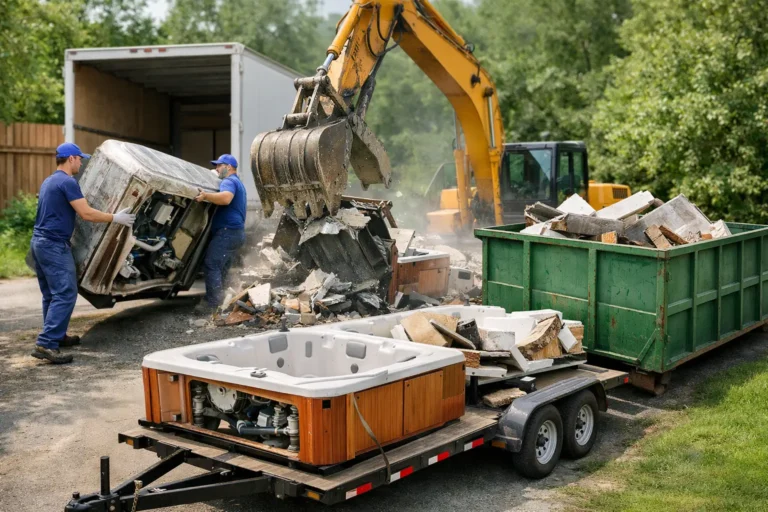
Furniture removal gets more complicated when you are not dealing with just one piece. Estate transitions, evictions, downsizing, office moves, and renovation cleanups usually involve a mix of usable items, damaged furniture, scrap materials, and general junk.
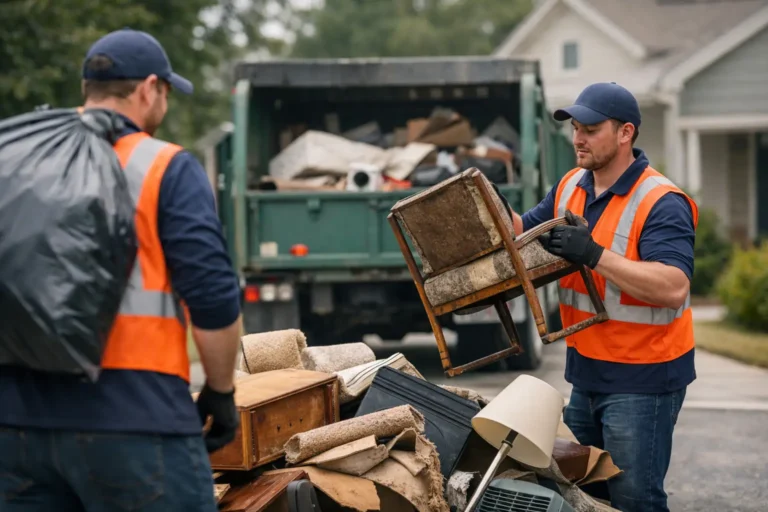
That is where a full-service hauling approach makes more sense than trying to piece together separate solutions. Instead of deciding item by item, loading your own vehicle, and making multiple trips, you can have a team sort what can be donated, what can be recycled, and what has to be disposed of.
This matters for customers on a deadline. Realtors preparing a listing, landlords turning over a unit, and families clearing a property often do not have time for trial and error. They need the furniture gone, the space left clean, and the process handled without guesswork.
A company like Local Loop Junk Troop can be especially helpful in those situations because the work is not limited to pickup alone. The team can remove heavy items from inside the property, provide an on-site quote, and route materials through donation and recycling channels whenever possible before landfill disposal is used as the last resort.
When professional hauling is the smarter choice
Not every furniture removal job calls for outside help, but some clearly do.
If the furniture is extremely heavy, located upstairs, part of a larger cleanout, or mixed with other debris, professional hauling saves time and reduces risk. The same is true if you are dealing with damaged items that may come apart during lifting or transport.
There is also value in having a straightforward process. You get labor, hauling, loading, and disposal coordination in one service. That is often more efficient than trying to schedule a donation pickup, transport recyclables separately, and then figure out what to do with the leftovers.
For commercial customers, this efficiency matters even more. Office chairs, desks, cubicles, and storage units can pile up fast during a renovation, relocation, or closure. A reliable crew keeps the project moving and helps clear space without disrupting the rest of the property.
A simple way to decide what to do next
If your old furniture is clean and usable, try reuse first. If it is made mostly of metal or solid wood, recycling or salvage may be possible. If it is upholstered, broken, water-damaged, or part of a larger property cleanout, expect fewer recycling paths and more need for hands-on removal.
The key is not forcing every item into the same solution. Some pieces deserve donation. Some are good candidates for material recovery. Some just need to be removed safely and handled responsibly without adding another task to your week.
When furniture is taking up space and slowing down a move, renovation, or cleanup, the best option is the one that gets the job done efficiently while still keeping donation and recycling on the table whenever possible. A fast, professional removal process can make that decision a whole lot easier.