A rental turns over on Friday, the new tenant moves in Monday, and the place is still packed with old furniture, bagged trash, broken appliances, and mystery items left in closets. That is usually when people start searching how to clean out rental property without losing an entire weekend or creating a bigger mess. The good news is that a cleanout goes much faster when you treat it like a turnover job, not a casual decluttering project.
The main goal is simple: clear the space safely, protect anything that must be documented or stored, and get the property ready for repairs, cleaning, and the next showing. Whether you are a landlord, property manager, investor, or homeowner dealing with a former tenant’s leftovers, the process works best when you move in the right order.
How to clean out rental property without wasting time
The biggest mistake is starting to haul things out before you know what is staying, what needs documentation, and what creates a disposal problem. In some cases, abandoned items may need to be handled according to lease terms or local requirements. If you are managing an eviction, foreclosure, or contested move-out, pause long enough to make sure you are not throwing away something that must be inventoried first.
Once that part is covered, walk the property room by room with your phone and take clear photos. Open closets, cabinets, the garage, any exterior storage, and behind large furniture. This gives you a record of condition and volume before anything moves. It also helps you decide whether you are dealing with a basic trash-out, a heavy cleanout, or a job that includes demolition, appliance removal, or yard debris pickup.
At that point, set up three destinations for everything in the rental: keep, dispose, and donate if appropriate. You do not need a complicated labeling system. You need a fast one that keeps the job moving.
Start with safety and access
Before lifting a single item, make the property easier and safer to work in. Unlock gates, clear a path from the front door to the curb or truck, and turn utilities on if lighting is poor. Wear gloves and closed-toe shoes at minimum. If there is visible mold, pest activity, broken glass, exposed nails, or suspicious materials, do not treat it like a normal cleanout.
This matters more in garages, sheds, attics, and basements where people leave paint cans, automotive fluids, old tools, and damaged shelving. Those spaces can slow a job down fast if you discover hazards halfway through loading.
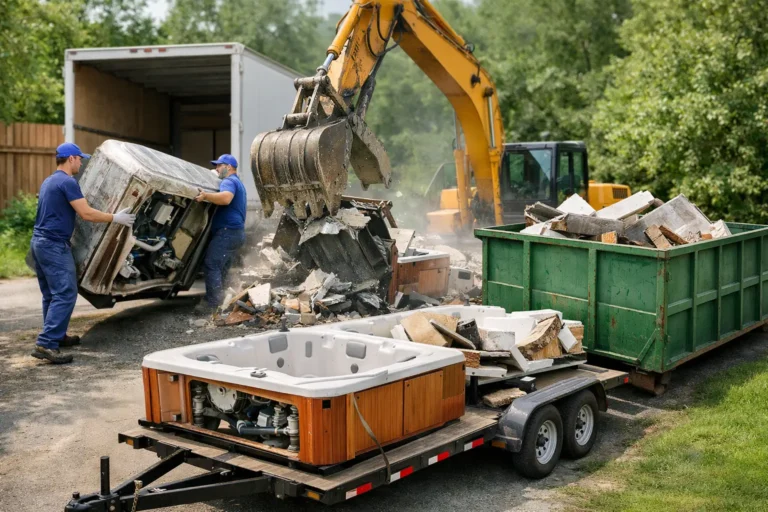
If the property has bulky items like refrigerators, sectionals, mattresses, washers, dryers, or old office furniture, plan those lifts early. Large items block access and make every other part of the job harder. Clearing them first opens up the rooms and gives you a better read on what is actually left.
Work one zone at a time
When people ask how to clean out rental property efficiently, the answer is usually the same: do not bounce between rooms. Finish one area completely before moving to the next. That keeps labor focused and prevents smaller items from spreading all over the house.
Start with obvious trash and abandoned food. Kitchens and bathrooms usually need attention first because they can create odors and sanitation issues. Remove loose trash, empty the refrigerator if needed, and bag anything wet, leaking, or spoiled separately.
Then move to bedrooms and living spaces, where the volume is usually furniture, clothing, electronics, bedding, and general household junk. Garages, patios, and storage sheds come after the interior unless they are so full that they block access.
For larger properties, assign each area a clear finish line. A room is not done when the biggest items are gone. It is done when the floor is visible, the closets are empty, and all debris is bagged or loaded.
What to remove first
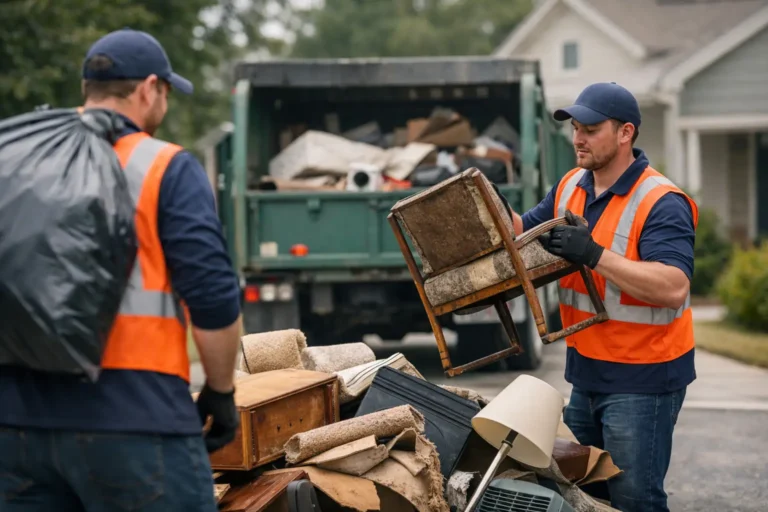
If the rental is packed, the fastest order is usually trash first, bulky furniture second, bagged loose contents third, and sweep-out debris last. That sequence reduces tripping hazards and keeps you from stepping around the same pile all day.
There are exceptions. If a heavy appliance blocks a narrow hallway or a broken sofa is trapping bags behind it, remove the obstruction first. The right order depends on the layout, but the principle stays the same: clear pathways before fine sorting.
What may need special handling
Not everything should go straight into a general junk load. Paint, chemicals, propane tanks, tires, car batteries, some electronics, and certain appliances can require separate disposal. Mattresses and box springs may also need different handling depending on local rules and facility requirements.
That is one reason many landlords and managers choose full-service hauling instead of trying to self-haul everything in a pickup. Disposal rules, loading time, and dump fees can turn a simple cleanout into multiple trips and a lot of lost time.
Decide what gets donated, recycled, or dumped
A cleanout should be fast, but it should not be careless. Some items left in a rental still have usable life, especially furniture, appliances, household goods, and office equipment in decent condition. When donation or recycling is practical, it is a better outcome than sending everything straight to the landfill.
That said, this is where real-world trade-offs matter. If an item is stained, heavily worn, infested, damaged, or unsafe, donation is usually not realistic. Holding onto low-value junk in the hope that it can be reused often delays turnover. For time-sensitive cleanouts, speed and property readiness usually come first.
An eco-conscious hauling team can help sort that out on-site. The benefit is not just convenience. It helps you move the job forward without guessing what each facility will accept.
Plan for labor, not just hauling
One reason rental cleanouts stall is that people underestimate the labor. Filling bags is one thing. Carrying a sleeper sofa down stairs, removing a refrigerator, clearing a packed attic, or tearing down a broken backyard shed is another.
If the property includes damaged cabinets, old carpet, rotted decking, or built-in debris from a rough turnover, hauling alone may not solve the whole problem. You may need light demolition or deconstruction before the space is truly ready for cleaning and repairs.
That is especially common in foreclosure properties, hoarder situations, and long-term rentals where junk removal overlaps with renovation prep. In those cases, it makes sense to bring in a crew that can both clear the contents and remove damaged structures or fixtures in the same visit.
Know when to bring in professional help
DIY cleanouts can work for a small apartment with a few bags of trash and one or two bulky items. They make less sense when the property is full, the schedule is tight, or you are dealing with stairs, heavy appliances, tenant damage, or mixed disposal needs.
A professional crew is usually the better option when the cleanout involves more than one truckload, when labor is the main issue, or when you need the job done quickly and with minimal back-and-forth. That is where upfront pricing, on-site quotes, and full-service loading matter. You get a clear scope, the lifting is handled for you, and the property gets cleared without dragging the turnover out for days.
For landlords and property managers, that speed often saves more money than it costs. Every extra day spent sorting junk is a day the unit is not being repaired, listed, or occupied.
Local Loop Junk Troop works with exactly these situations across the Charlotte area, especially when customers need a fast, orderly cleanout with responsible disposal and no hassle around loading or transport.
After the cleanout, do a true reset
Once everything is out, do not stop at an empty room. Walk the property again and look for what the junk was hiding. Check walls for holes, flooring for stains or water damage, appliances for leaks, and exterior areas for leftover debris. A final sweep or blow-out helps reveal what repairs need to happen next.
This is also the right time to change locks if needed, replace burned-out bulbs, and confirm that smoke detectors, doors, and windows are in working order. If the rental is headed to market soon, the cleanout should hand off directly to cleaning, maintenance, painting, or turnover crews.
The cleaner the transition between those steps, the faster the property gets back into service.
The fastest cleanouts are the ones with a plan
If you are figuring out how to clean out rental property, the smartest approach is to treat it like a deadline-driven project. Document first, sort quickly, clear bulky items early, and do not let disposal logistics or heavy lifting become the reason the unit sits vacant.
Some jobs are small enough to handle yourself. Others need a crew, a truck, and a system. Either way, the less time you spend staring at leftover junk, the sooner you can get the property back to clean, rentable condition – and move on to what actually matters next.