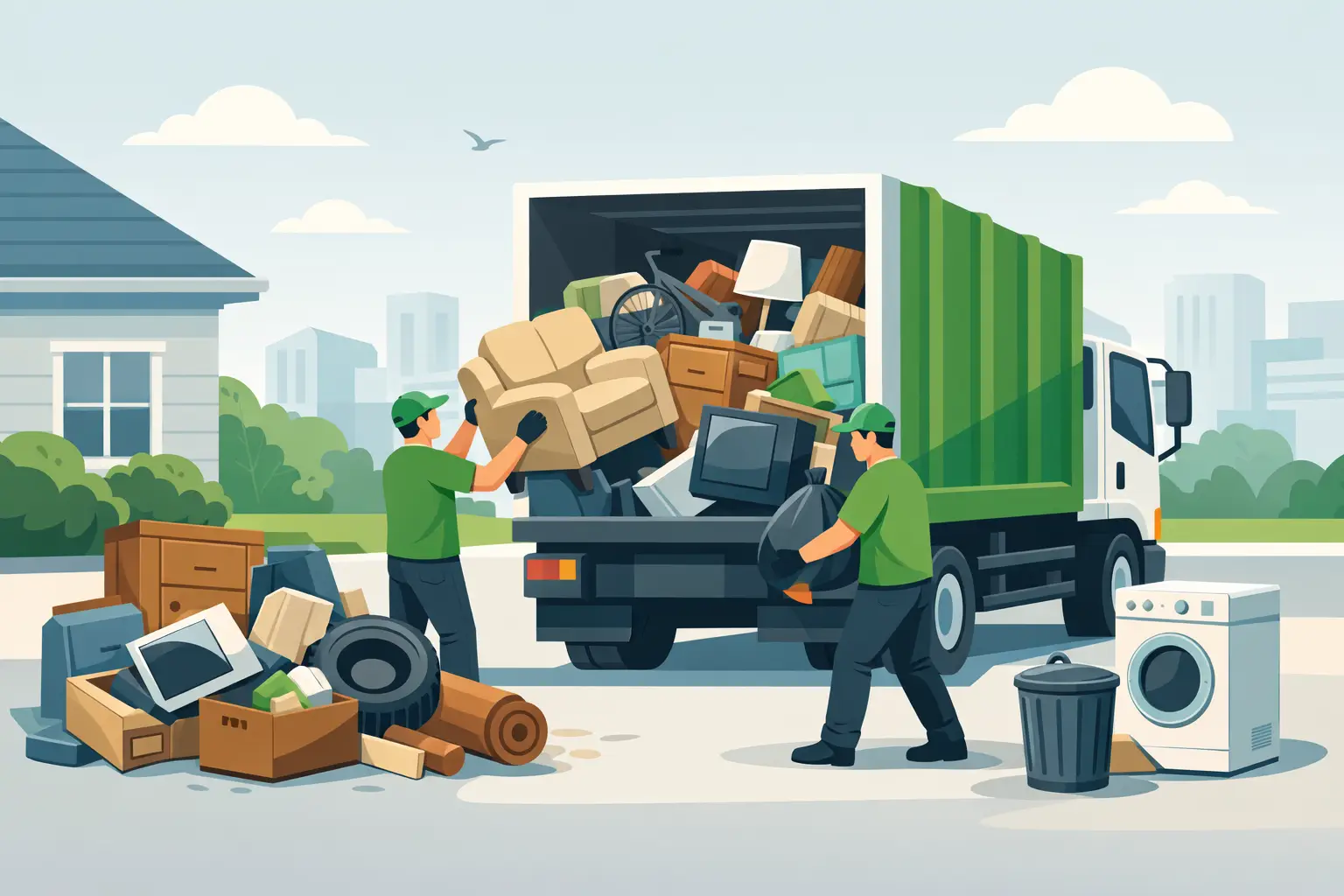
A curbside pile can tell you a lot. An old couch, a broken treadmill, boxes from a recent move, maybe a water heater in the garage – most people know they want it gone, but they are not always sure what can actually be hauled away in one trip. If you have been wondering what can junk haulers take, the short answer is a lot more than most people expect.
Full-service junk hauling is built for bulky, mixed-item loads that are hard to manage on your own. That includes the heavy stuff, the awkward stuff, and the cleanup situations that do not fit neatly into regular trash pickup. The exact answer depends on the item, local disposal rules, and whether special labor or equipment is needed, but most professional crews can remove far more than a few bags of household junk.
What can junk haulers take in most jobs?
In a typical residential or commercial pickup, junk haulers can take furniture, appliances, mattresses, electronics, yard debris, renovation debris, office junk, and general clutter. That covers the basics, but it helps to look at it the way customers actually experience the service.
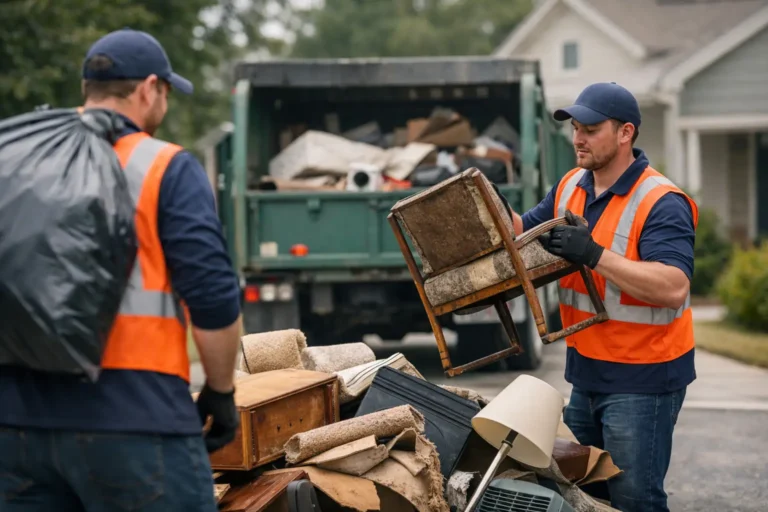
If you are clearing a home, the load often includes sofas, dressers, tables, chairs, bed frames, rugs, and boxes of mixed items. If you are replacing appliances, it may be a refrigerator, washer, dryer, stove, dishwasher, or freezer. If you are dealing with a move-out or estate cleanout, it is usually a combination of everything – household goods, trash, old shelving, garage contents, and leftover storage.
For business customers, common pickups include office desks, cubicles, filing cabinets, chairs, printers, shelving, retail fixtures, and warehouse debris. Property managers and landlords often need fast removal of abandoned items after a tenant leaves. In those cases, the value of junk hauling is not just disposal. It is having a team sort, lift, load, and clear the space quickly so the property can move to the next step.
Household items that are commonly accepted
Most junk removal crews regularly take bulky household items because they are difficult to move and rarely fit within city trash limits. Couches, loveseats, recliners, dining sets, mattresses, box springs, nightstands, entertainment centers, and patio furniture are standard jobs. The same goes for old toys, playroom clutter, storage bins, holiday decorations, and garage overflow.
Smaller loose items can usually go too, especially when they are part of a larger cleanout. Think kitchenware, clothing, books, lamps, wall art, small shelves, and bagged trash. If the goal is to reclaim a garage, attic, basement, or spare room, most crews can handle the mixed nature of that load without requiring you to sort every category in advance.
There is one important trade-off here. Donation-worthy items may still be accepted, but condition matters. A clean dresser in usable shape may be set aside for donation if local outlets can take it. A broken dresser with water damage is disposal. The item may look similar to you, but its condition changes where it can go after pickup.
Appliances, electronics, and heavy equipment
Appliance hauling is one of the most common reasons people call a junk removal company. Refrigerators, stoves, ovens, washers, dryers, microwaves, and water heaters are routine for many crews. Air conditioners and freezers are often accepted as well, though certain units may require special handling because of refrigerants.
Electronics are also common, but they are not always handled the same way as general junk. TVs, monitors, computers, printers, and other e-waste often need to go through specific recycling channels. A professional hauler can usually take them, but local regulations may affect how they are priced or separated during the load-out.
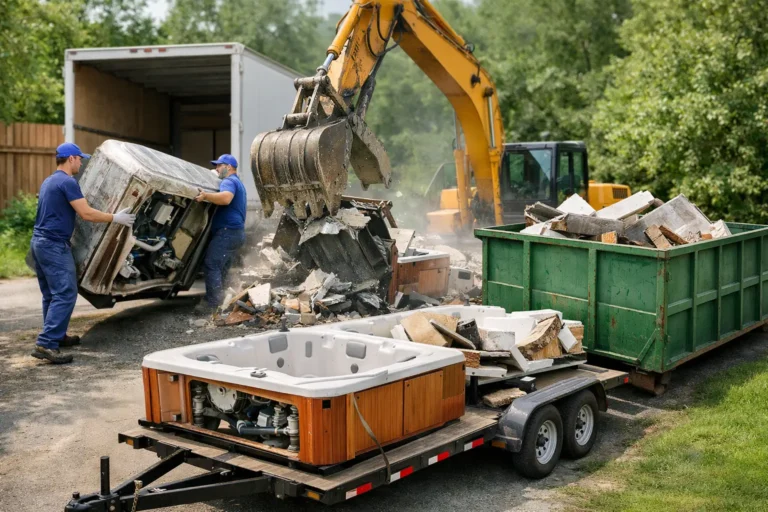
Heavier specialty items are where it really helps to ask ahead. Pianos, safes, pool tables, hot tubs, sheds, and exercise equipment can often be removed, but they may require added labor, partial disassembly, or a larger crew. The question is usually not whether the team can take it. It is whether access, weight, or dismantling changes the scope of the job.
Yard waste and outdoor junk
Outdoor cleanup is another area where junk haulers can do more than many people realize. Branches, brush, bagged leaves, fencing, old patio sets, grills, planters, playsets, and storm debris are common pickups. If a shed is collapsing in the backyard or an old swing set has become a hazard, removal may involve both hauling and light demolition.
This matters for homeowners, HOAs, and landlords who need properties cleaned up quickly. Storm cleanup, move-out yard clearing, and seasonal cleanups often create a mix of debris that is too much for weekly pickup and too inconvenient for multiple dump runs.
The main variable is how the debris is prepared. Loose brush piled across a large yard takes different labor than neatly stacked limbs near the driveway. Both can be removed, but the amount of handling affects the job.
Construction debris and demolition materials
A lot of customers think junk hauling stops at furniture and trash. It does not. Many companies also remove construction debris and materials left behind after renovation or light demolition. That can include drywall, lumber, flooring, tile, cabinets, countertops, vanities, toilets, sinks, doors, fencing, and decking materials.
This is especially useful for contractors, landlords, and homeowners managing small renovation projects. If you have torn out a bathroom, replaced kitchen cabinets, or removed old flooring, a hauling crew can often come in, load the debris, and leave the site cleaner and easier to work in.
Some companies, including Local Loop Junk Troop, also operate in light demolition and deconstruction. That means the team may be able to do more than haul away the debris after the fact. In the right situation, they can help take apart the structure or fixture first, then remove all the material in one service visit.
What junk haulers usually cannot take
The better question is sometimes what they cannot take. Most professional junk haulers do not accept hazardous waste in the standard sense. Paint, solvents, chemicals, gasoline, propane tanks, pesticides, asbestos, medical waste, and certain automotive fluids usually require specialized disposal.
That does not mean you are stuck. It just means those items follow different rules than furniture or household clutter. Tires, car batteries, and some types of construction waste may also have restrictions depending on local facilities. If you are unsure, it is best to ask before booking so the crew can tell you what is accepted and what needs a separate disposal plan.
Food waste can be another gray area. Sealed pantry items in a cleanout are one thing. Large amounts of loose, spoiled, or leaking food from a failed property situation are another. The same goes for infestations or biohazard conditions. A reputable company will be clear about where the line is and whether extra precautions are needed.
What can junk haulers take in tougher cleanout situations?
Some of the most time-sensitive jobs are also the least straightforward. Estate cleanouts, hoarder cleanouts, foreclosure cleanouts, eviction cleanouts, and assisted living transitions usually involve a combination of furniture, boxed items, trash, donation candidates, and heavy lifting across multiple rooms.
In these situations, most junk haulers can take nearly everything that is non-hazardous. The challenge is not the variety of items. It is the volume, access, and pace. A professional crew helps because they can assess the property, provide upfront pricing, and clear the space without making you manage every bag, piece of furniture, or disposal category yourself.
That is often what customers need most – a practical path forward when the cleanup feels bigger than a weekend project.
How to know if your items are a fit
If the items are bulky, non-hazardous, and difficult to dispose of through normal trash service, there is a good chance a junk hauler can take them. Mixed loads are usually fine. Heavy items are usually fine. Large cleanouts are exactly what these services are built for.
What changes from job to job is labor, not just volume. A couch on the curb is simple. That same couch on the third floor with a tight stairwell takes more time. A hot tub in an open yard is one type of removal. A hot tub built into a deck may require cutting and dismantling first. That is why on-site quotes are helpful. They account for the real job, not just the item name.
If you want the smoothest experience, gather a basic list of what needs to go, note any especially heavy or oversized items, and mention stairs, tight access, or demolition needs upfront. That lets the crew arrive ready to do the work safely and efficiently.
When you are looking at a property full of unwanted items, the real value is not just whether someone can take it. It is whether they can clear it quickly, price it fairly, and leave the space clean enough for whatever comes next.